



 Home
HomeDate: 2026-06-16
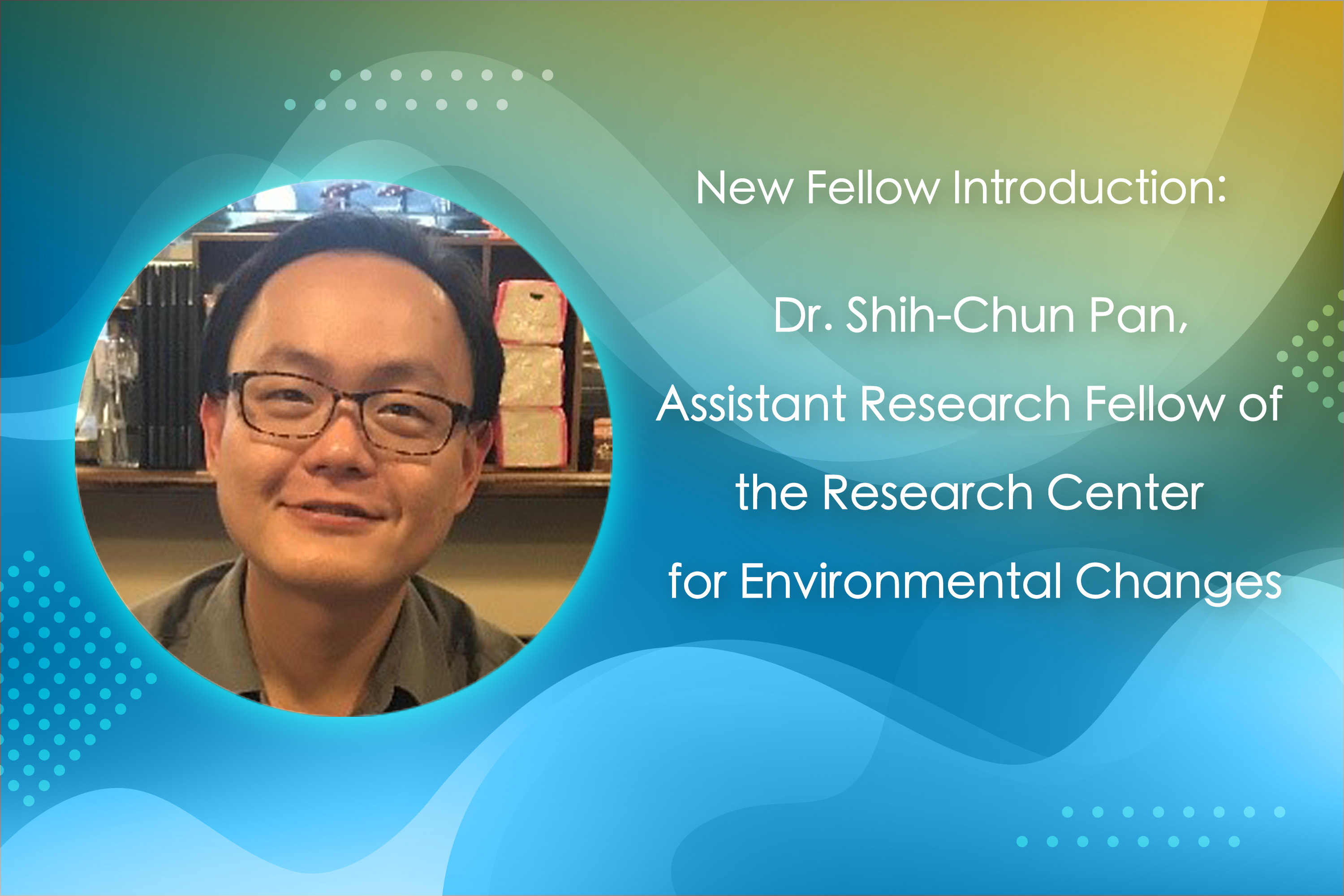
Dr. Shih-Chun Pan earned his Ph.D. at National Taiwan University and subsequently conducted postdoctoral research at National Health Research Institutes and National Taiwan University. His research focuses on environmental epidemiology, investigating the health impacts of air pollution, climate change, heat exposure, and industrial pollution through population-based studies and large-scale health data analysis.
In recent years, he has integrated biomonitoring, cohort studies, and epigenetic approaches to explore the early biological effects of environmental exposures using DNA methylation, epigenetic age, and other biomarkers. Since joining the Research Center for Environmental Changes in 2026, he has continued to advance research on environmental exposures, biomarkers, and precision health risk assessment, aiming to strengthen scientific evidence for public health and environmental policy in the face of environmental change.
Q&A
Q: How would you describe your research in one sentence?
A: Studying the relationship between the environment and human health is like reading the “environmental footprints” left within our bodies, searching for the earliest signals that appear before disease develops.
Q: What would you say to your younger self during your student years?
A: Don't be overly attached to planning every step of your life. Many valuable opportunities and collaborations arise from unexpected challenges and experiences. Staying curious and maintaining a lifelong willingness to learn are often more important than having everything mapped out in advance.
Q: What message would you choose to display on your office wall?
A: “Data don’t tell stories, but they leave clues.” Many important discoveries come not from expected results, but from taking the time to look a little closer and think a little deeper. Patience and healthy skepticism are often more valuable than pursuing perfect-looking results. To me, the most fascinating part of research is uncovering new questions and answers hidden within seemingly scattered clues.