





 Home
HomeDate: 2026-10-16
Cells do not determine their fate independently. The spatial patterns they form within a population also influence how cell death signals propagate. Building on their 2024 discovery, published in Nature, that ferroptotic “trigger waves” can drive large-scale cell death, a research team led by Associate Research Fellow Sheng-Hong Chen at the Institute of Molecular Biology (IMB), Academia Sinica, has uncovered a key regulatory mechanism. The team found that the density and alignment patterns that spontaneously emerge within cell populations determine where ferroptosis begins, the direction in which it propagates, and when it stops. These findings demonstrate that cell fate is shaped not only by molecular processes within individual cells but also by the spatial organization of tissues. The discovery offers a new perspective on understanding large-scale cell death during embryonic development, tissue injury, and disease. The study was published on October 15, 2026 in the prestigious international journal Cell.
Academia Sinica held a press conference on October 16 to announce the findings. Academia Sinica Vice President Yu-Ju Chen noted that cell death is essential for the development and maintenance of normal tissue function. This study reveals for the first time that ferroptosis propagation is not governed solely by external signals; long-range cellular alignment that emerges spontaneously within tissues also shape the paths along which cell death spreads. This discovery advances our understanding of how biological systems regulate cell fate. Led by Associate Research Fellow Sheng-Hong Chen, the research integrates biophysics, cell biology, developmental biology, molecular biology, and systems biology, demonstrating Academia Sinica’s interdisciplinary strengths in life sciences and its dedication to unraveling the mysteries of life. Academia Sinica will continue to support pioneering fundamental research and foster further innovative discoveries.
Cellular Organization Acts as a Map That Guides and Restricts Ferroptosis Propagation
Ferroptosis is a form of cell death driven by lipid oxidation. In previous work, the research team discovered that ferroptosis can propagate through self-sustaining “trigger waves,” resembling a spreading ripple or domino effect, in which cell death initiated in a small number of cells spreads to neighboring cells, ultimately causing widespread cell death. The current study addresses a fundamental question: how do tissues prevent these waves of cell death from spreading uncontrollably? The researchers found that the spatial organization of cell populations itself plays a crucial role in determining how ferroptosis propagates.
“The spatial organization of a tissue acts like a map, guiding the paths along which cell death spreads while also creating barriers that prevent its propagation,” explained Associate Research Fellow Sheng-Hong Chen.
Using live-cell imaging, single-cell RNA sequencing, pharmacological and genetic perturbations, and mathematical simulations, the team investigated ferroptosis responses in human epithelial cells that spontaneously organize into distinct spatial patterns. They found that regions with lower cell density and less orderly alignment were more susceptible to ferroptosis than regions with higher cell density and greater cellular alignment. These resistant regions could even form natural boundaries that block the advancing waves of cell death.
The researchers further discovered that cellular alignment influences the distribution of lipids within individual cells, thereby directing ferroptosis propagation. When cells become elongated and align along a common direction, oxidation-prone lipids accumulate at the two ends of each cell. This polarization makes ferroptosis waves more likely to travel along the direction of cellular alignment rather than spreading uniformly in all directions.
From Individual Cells to Tissues: Rethinking Collective Cell Fate
This study establishes a new conceptual framework in which spontaneous cellular self-organization regulates collective cell fate. The findings open new avenues for investigating whether similar mechanisms contribute to cell death during embryonic development, organ injury, degenerative diseases, and cancer. The research team emphasizes that the present study was primarily conducted using cultured human epithelial cells, and that further studies are needed to determine whether these mechanisms operate in animal tissues and the human body.
The study was supervised by Associate Research Fellow Sheng-Hong Chen. The joint first authors are Jen-Hao Cheng and Hannah Katrina C. Co, bothformerly doctoral students at Academia Sinica and now postdoctoral scholars at the IMB. Other contributors are Chia-Chou Wu, an NSTC Postdoctoral Research Scholar at the IMB, and Hao-Kun Lin, formerly a research assistant at the IMB and now an attending physician in internal medicine at Yale School of Medicine, USA. The research was supported by Academia Sinica through its Investigator Project Grant, Grand Challenge Grant, and Grand Challenge Seed Grant.
Article link: https://www.cell.com/cell/fulltext/S0092-8674(26)01142-6
-
Dr. Sheng-Hong Chen, Institute of Molecular Biology, Academia Sinica
02-2789-9318,shengchen@as.edu.tw
-
Ms. Tsuey-Yin Piong, Media & Public Affairs, Secretariat, Academia Sinica
(02) 2789-8821,fangzi@as.edu.tw
-
Ms. Yi-ling Lee, Media & Public Affairs, Secretariat, Academia Sinica
(02) 2789-8820,cvcc54@as.edu.tw
-
 Academia Sinica Vice President Yu-Ju Chen (second from right) and Jun-Yi Leu (far left), Acting Director of the Institute of Molecular Biology, pose with the research team. Photo credit: Academia Sinica.

-
 From left: Hannah Katrina C. Co, Postdoctoral Scholar; Sheng-Hong Chen, Associate Research Fellow; Jen-Hao Cheng, Postdoctoral Scholar, and Chia-Chou Wu, NSTC Postdoctoral Research Scholar, all affiliated with the Institute of Molecular Biology. Photo credit: Academia Sinica.
-
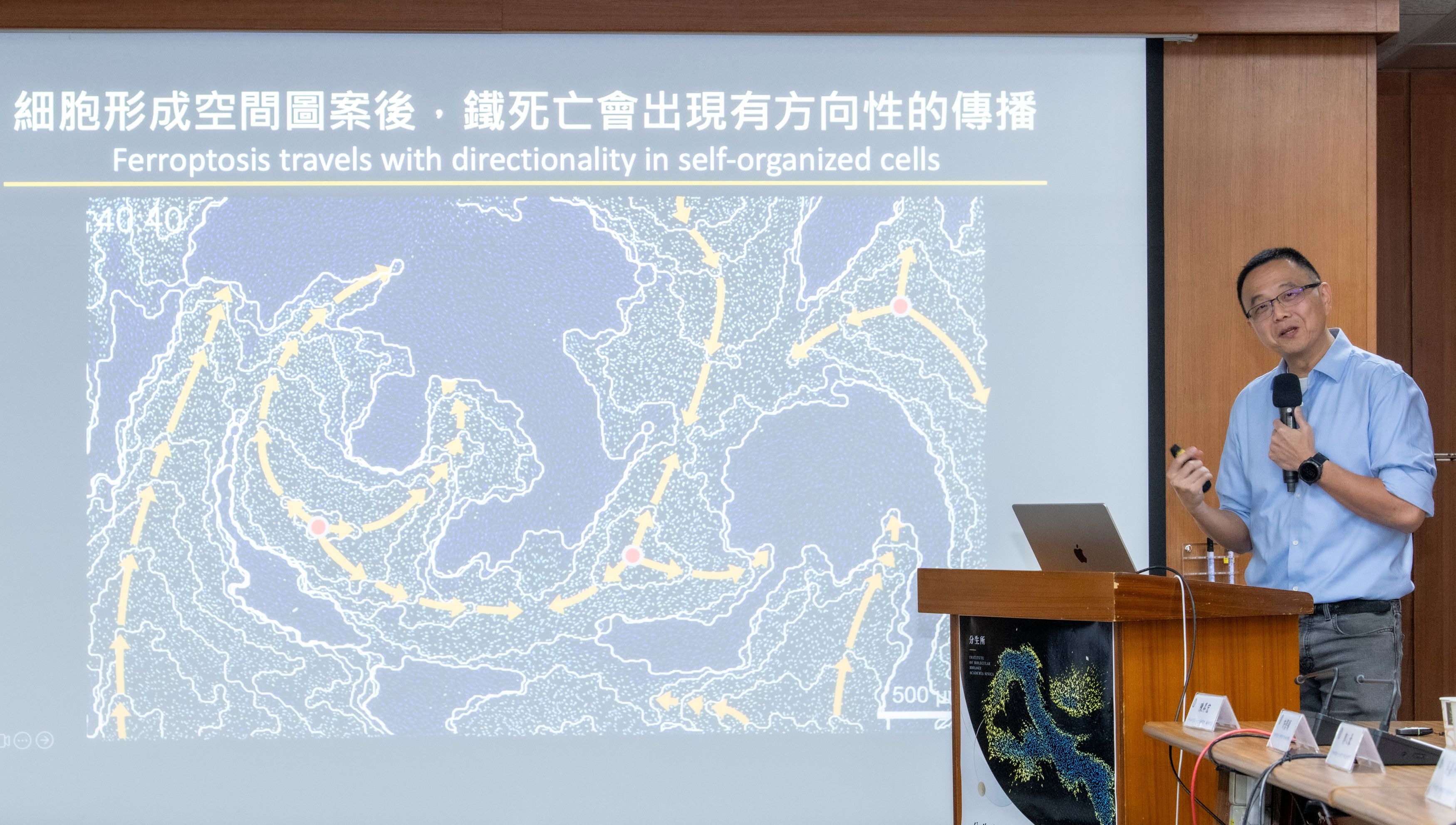 Sheng-Hong Chen, Associate Research Fellow at the Institute of Molecular Biology, Academia Sinica, presents the research findings. Photo credit: Academia Sinica.
-
 Academia Sinica Vice President Yu-Ju Chen delivers remarks. Photo credit: Academia Sinica.
-
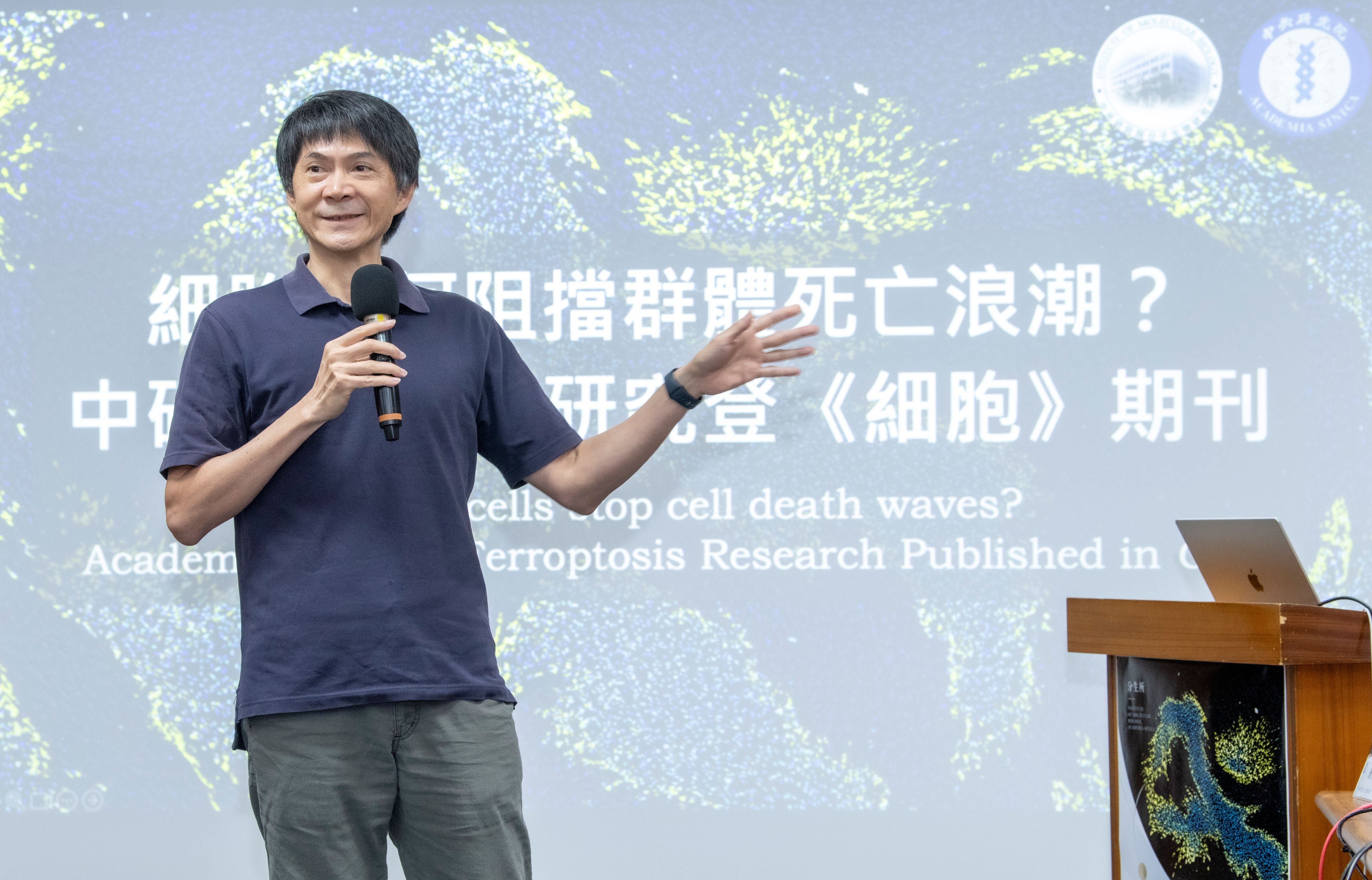 Jun-Yi Leu, Acting Director of the Institute of Molecular Biology, Academia Sinica, delivers remarks. Photo credit: Academia Sinica.
-
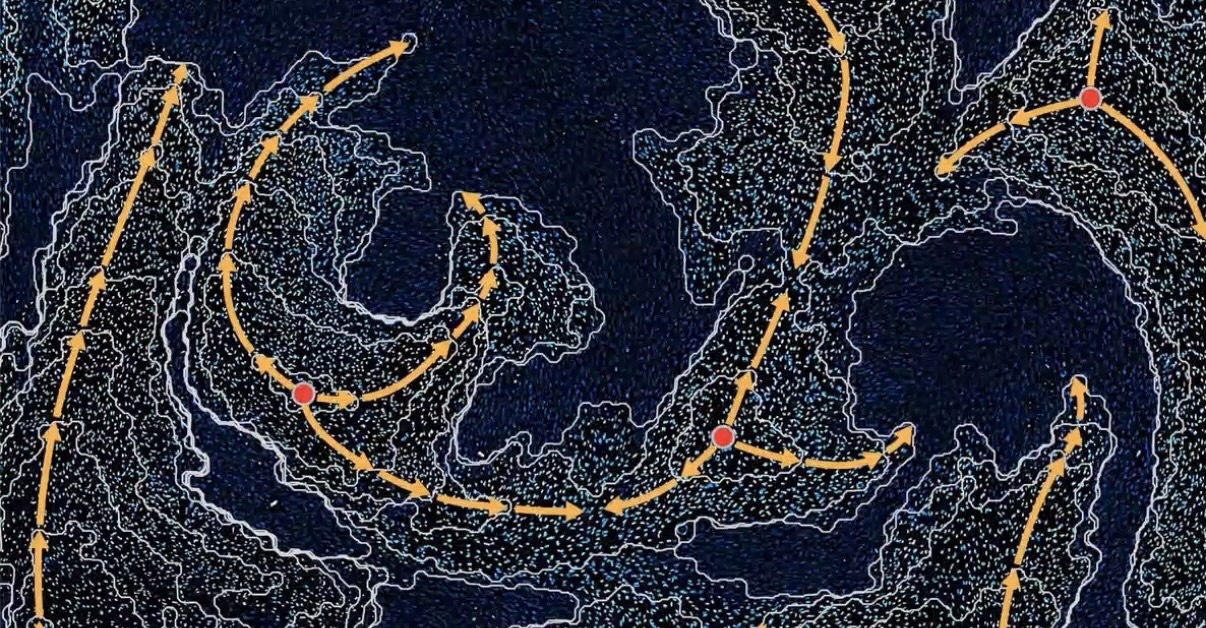 Ferroptosis propagates along alignment of cells, leading to directional spread of large-scale cell death. Photo credit: Academia Sinica.
-
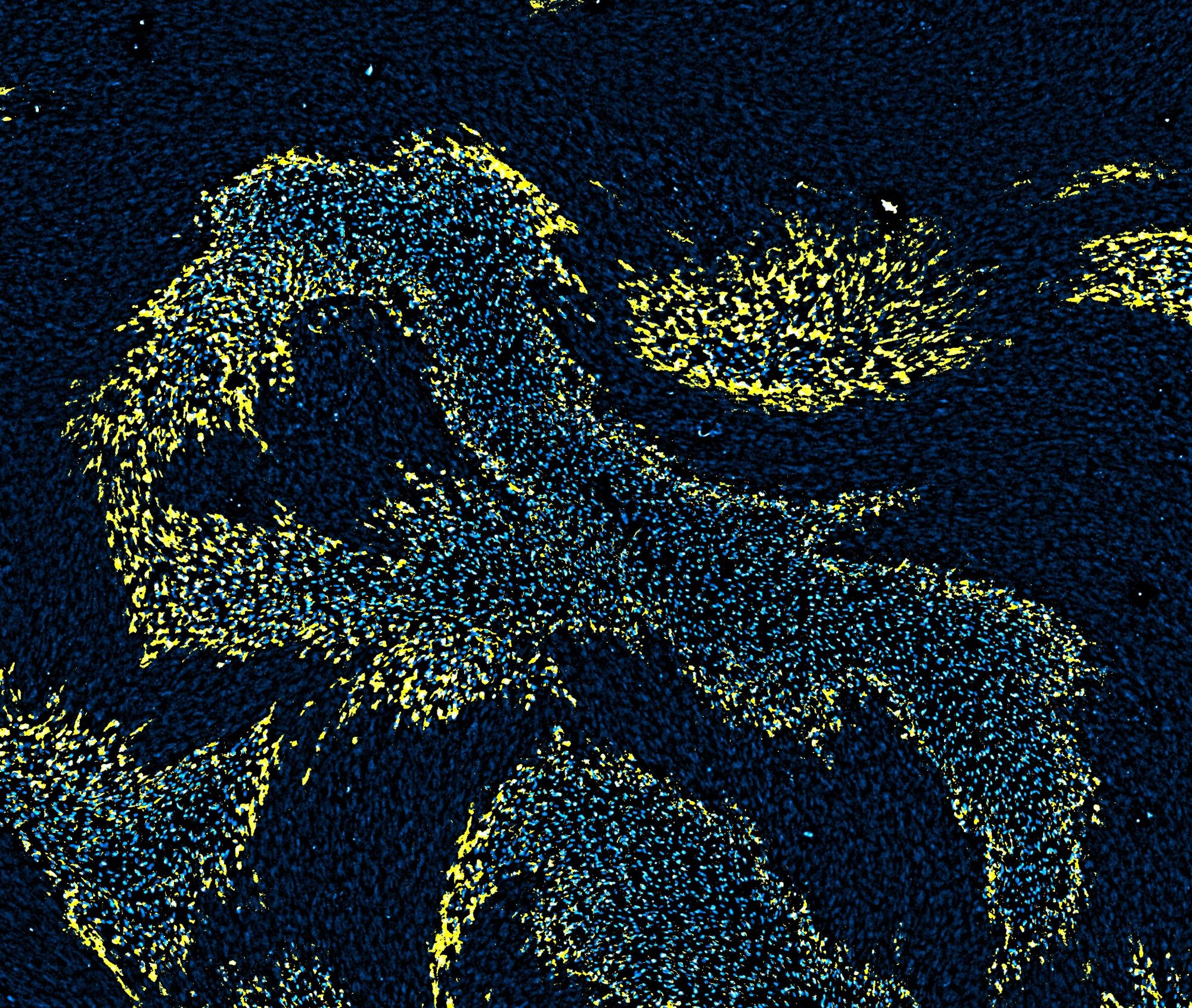 Lipid peroxidation wavefront (yellow) travels along cell alignment, guiding the directional spread of ferroptosis cell death (white). Photo credit: Academia Sinica.
-
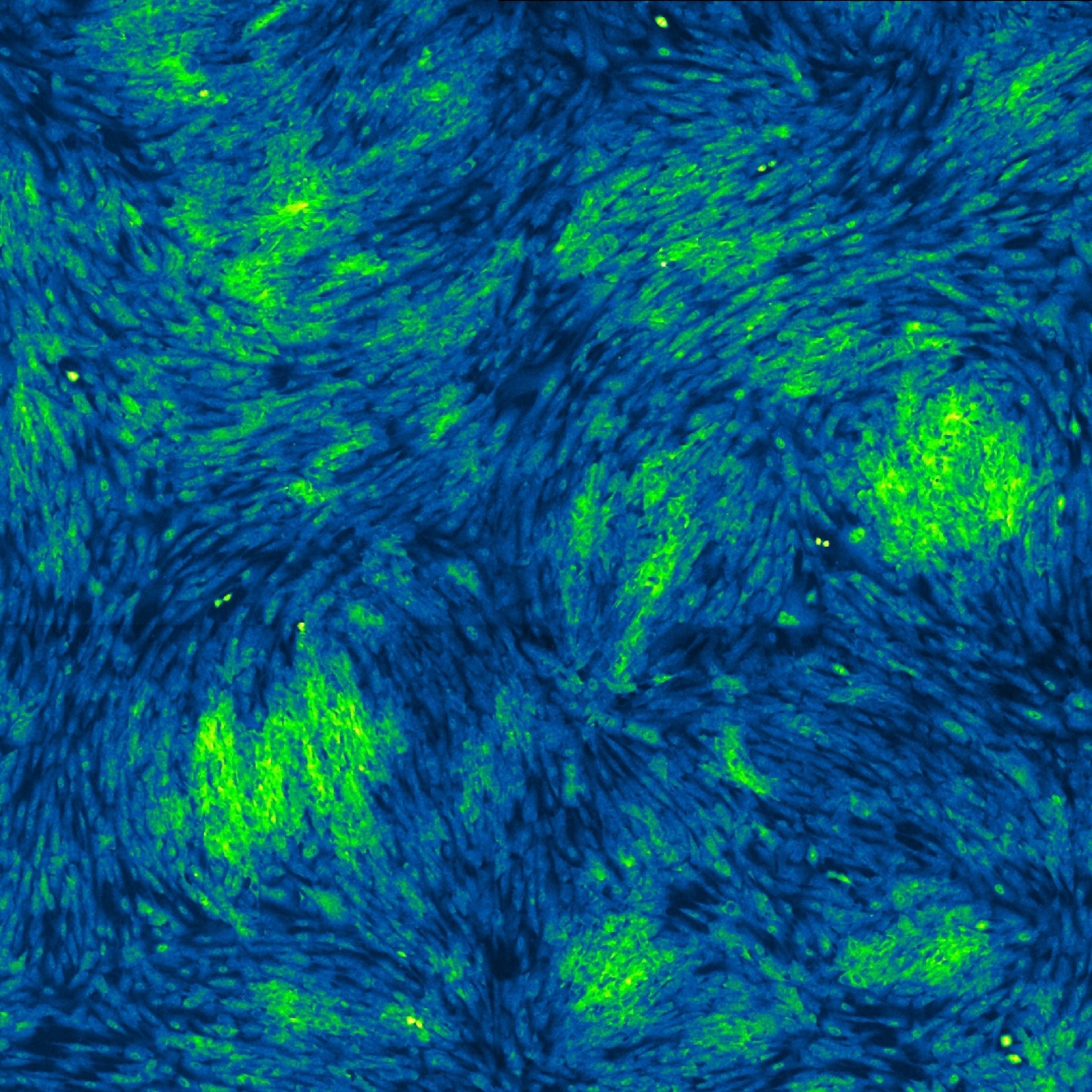 Nuclear localization of transcriptional co-activator YAP (green). Photo credit: Academia Sinica.