研究之中,找到我們是誰 | 中央研究院(2025年版形象影片)
空拍
scenery
library
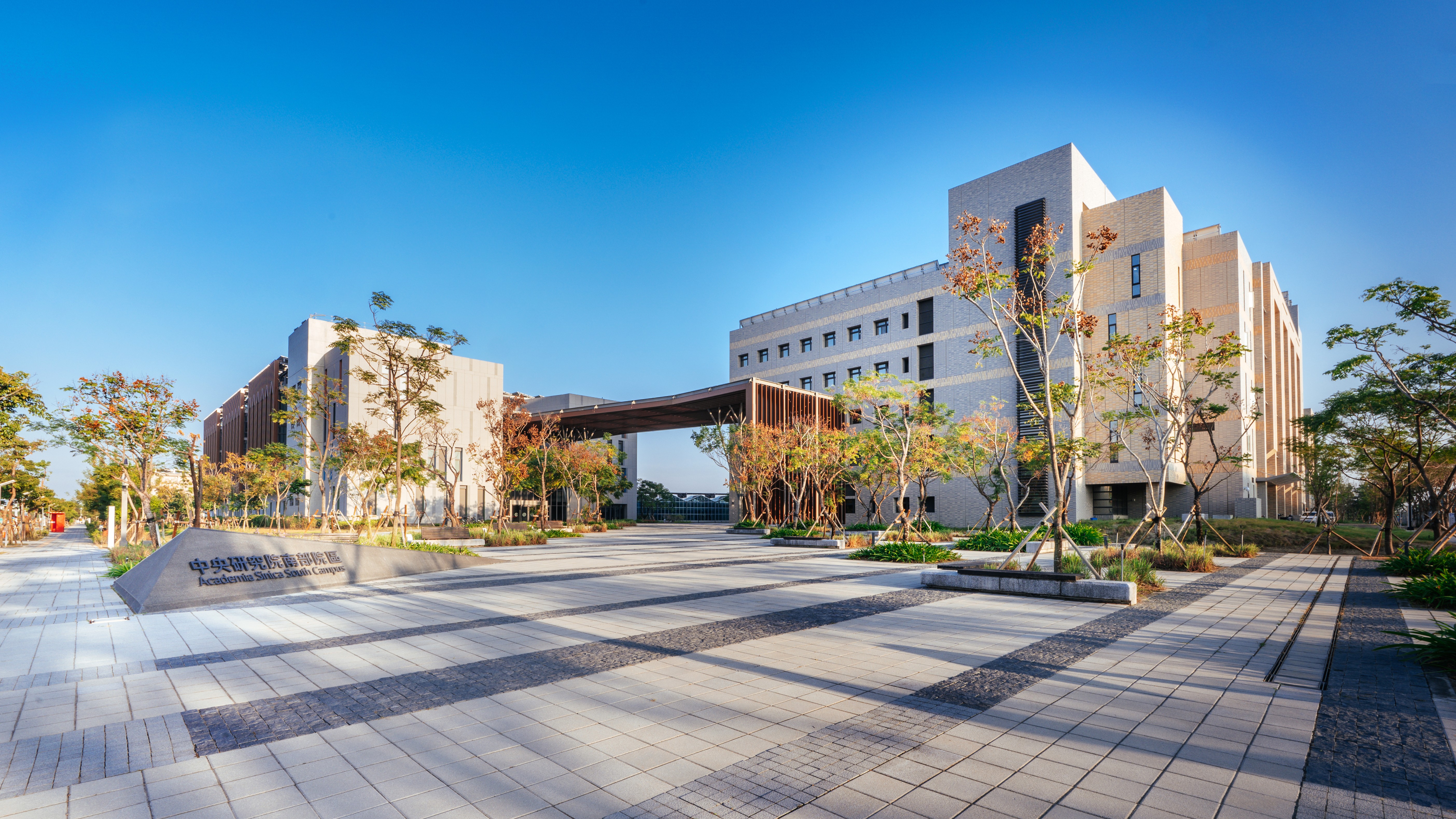
Southern Campus
AS conference
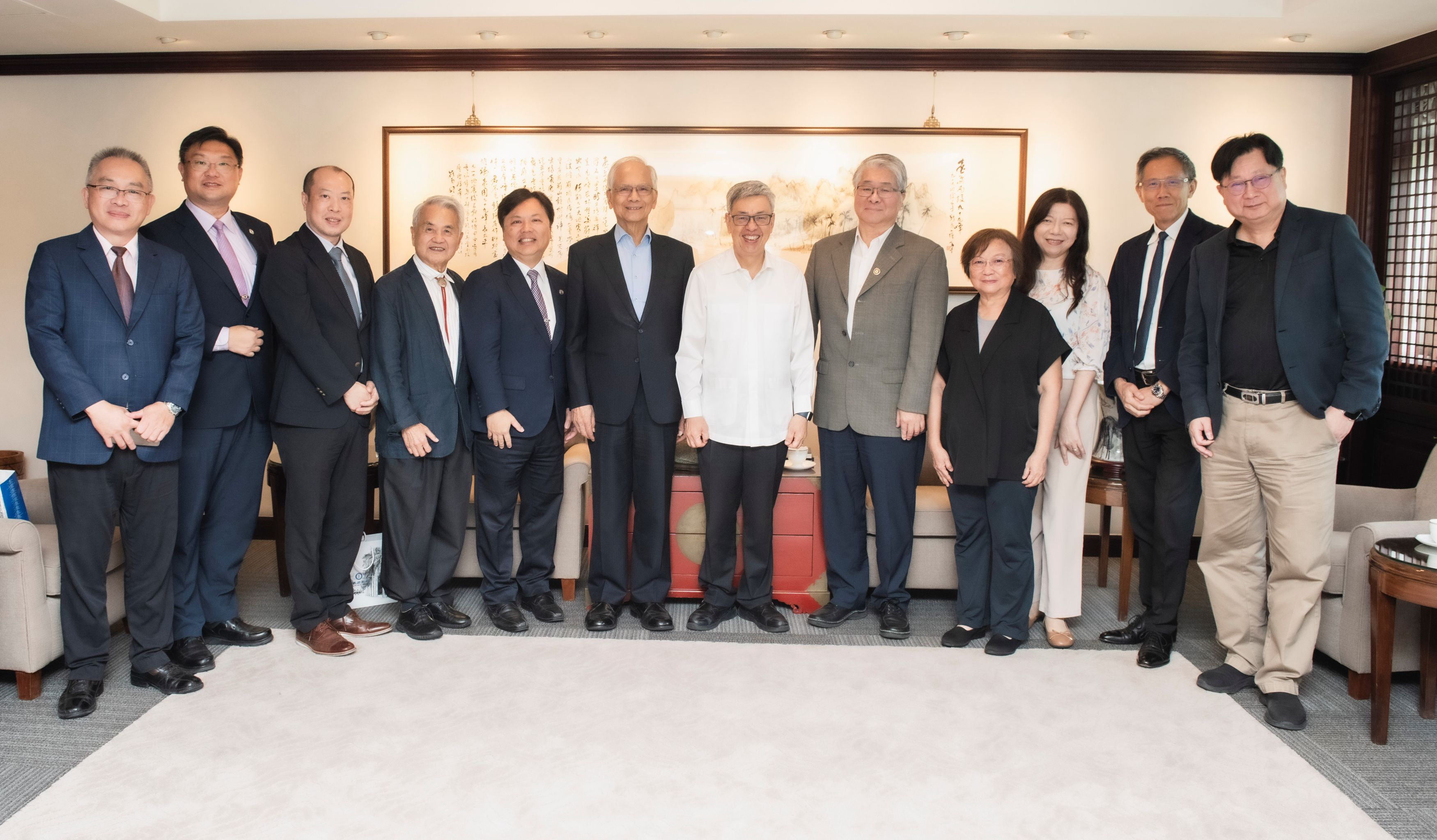
Academia Sinica held a welcome and farewell tea reception on August 14 for the incoming and outgoing Executive Secretary and Deputy Executive Secretaries of the Central Academic Advisory Council, presided over by President Chien-Jen Chen. Effective August 17, Academician Ruey-Hwa Chen will serve as Executive Secretary. Dr. Cheng-Ting Chien and Dr. Siao-Chen Hu will serve as Deputy Executive Secretaries for the Division of Life Sciences and the Division of Humanities and Social Sciences, respectively. Outgoing Executive Secretary Kay-Hooi Khoo and Deputy Executive Secretaries Shu-Hsing Wu and Miaw-Fen Lu will conclude their terms.
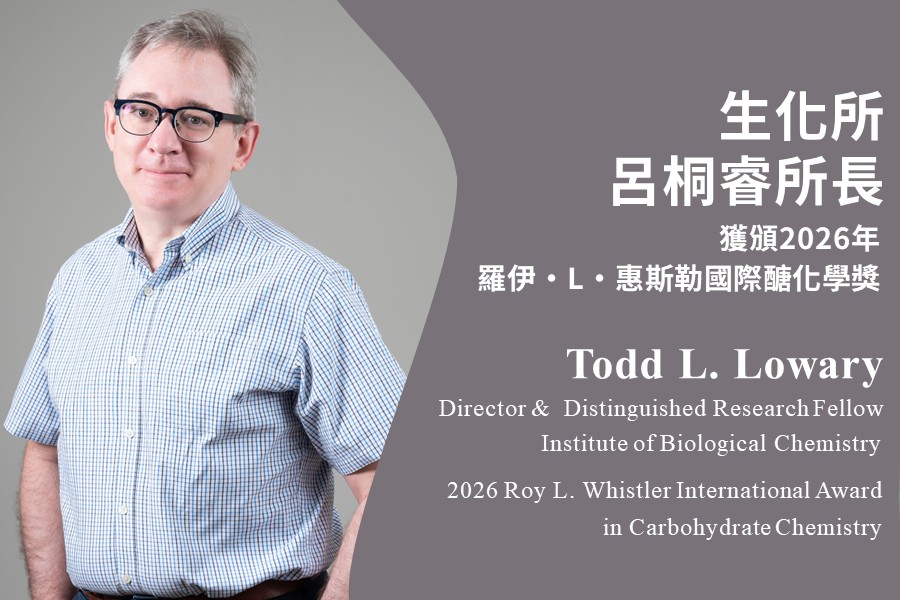
The International Carbohydrate Organization recently announced the 2026 recipient of the Roy L. Whistler International Award in Carbohydrate Chemistry, a major honor in the field of carbohydrate chemistry. Prof. Todd L. Lowary, Director and Distinguished Research Fellow of the Institute of Biological Chemistry at Academia Sinica, was selected for this award in recognition of his groundbreaking contributions to the development of tools to understand the role of glycans in bacterial disease, particularly those caused by mycobacteria, including those causing the disease tuberculosis.
Academia Sinica President Chien-Jen Chen met with Dr. Hwang Jaeho, the newly appointed Representative of the Korean Mission in Taipei, on August 7. The two exchanged views on academic, scientific, and cultural exchanges between Taiwan and South Korea, science and technology policymaking, and opportunities for future collaboration. Both expressed hope for stronger ties between their academic institutions and research communities.
Academia Sinica held an appreciation tea gathering today to honor the outgoing Director of the Institute of Molecular Biology (IMB). In his remarks, President Chien-Jen Chen thanked Distinguished Research Fellow Hwai-Jong Cheng for his six years of leadership and service as Director and expressed his confidence that Acting Director Jun-Yi Leu would continue to lead the Institute's steady development while carrying forward its long-standing tradition of scientific excellence.
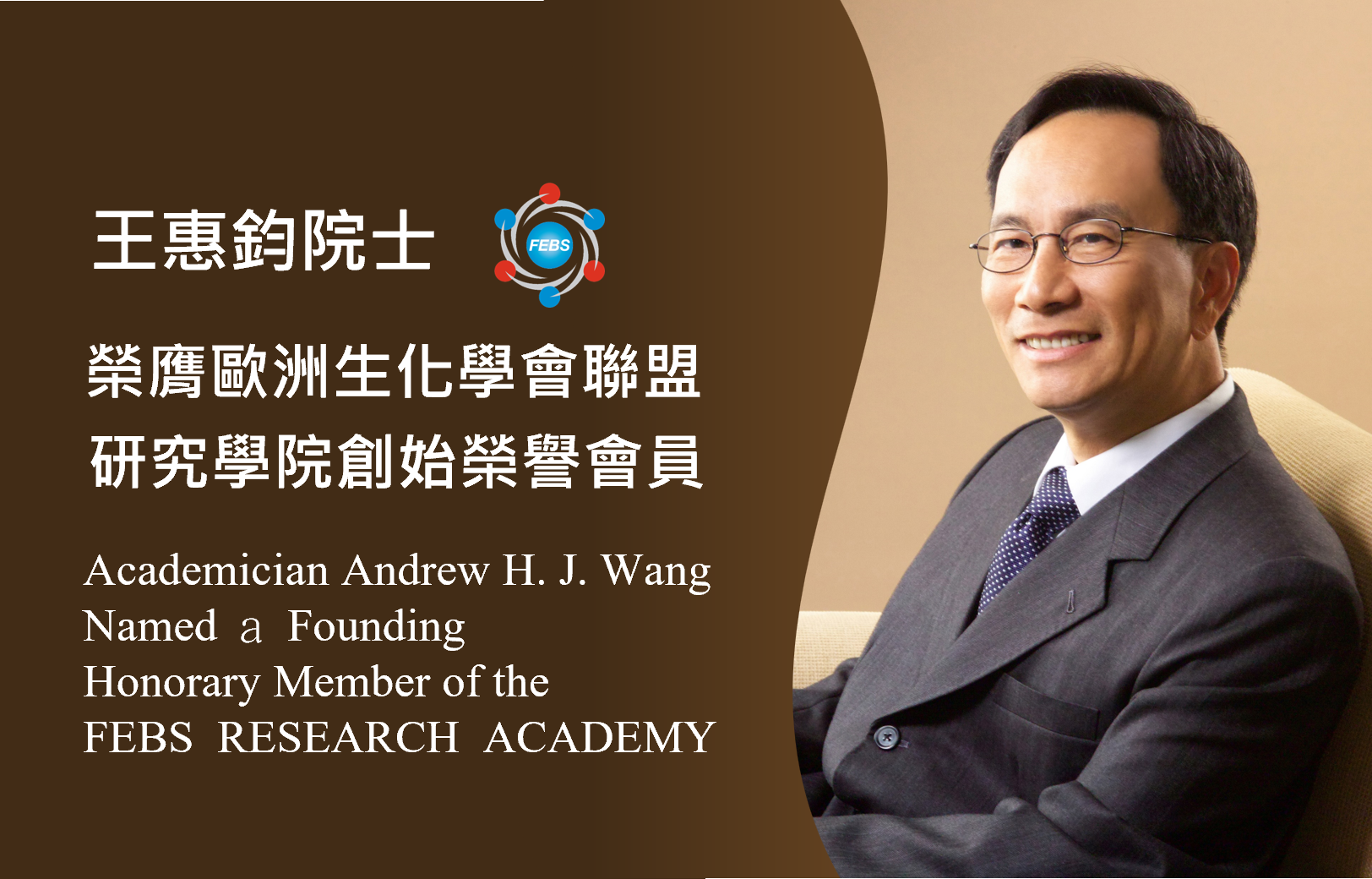
Academician Andrew H. J. Wang, former Vice President of Academia Sinica and former Distinguished Research Fellow at the Institute of Biological Chemistry, has been named a Founding Honorary Member of the Federation of European Biochemical Societies (FEBS) Research Academy.
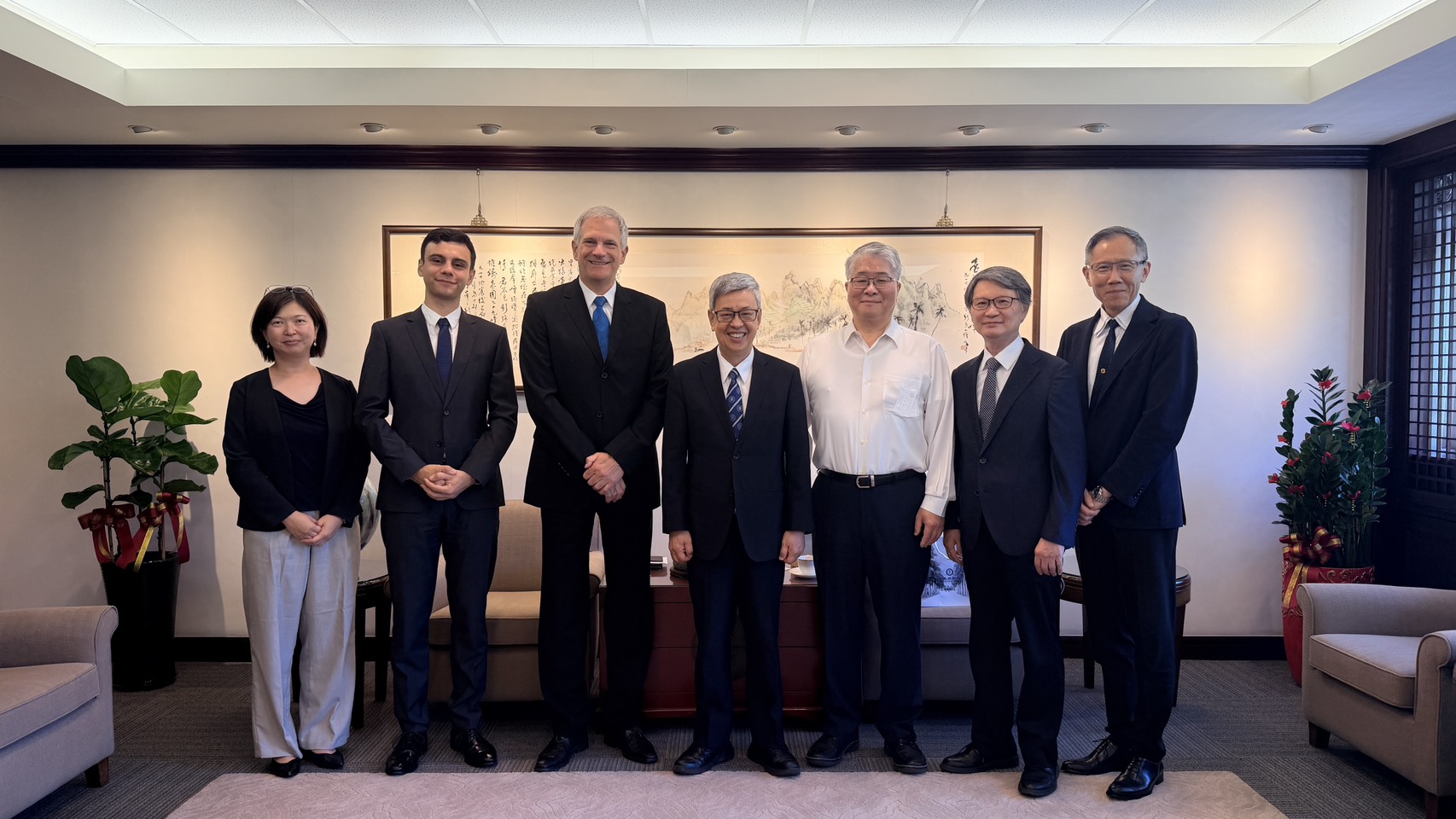
Academia Sinica President Chien-Jen Chen met yesterday (August 4) with Karsten Tietz, Director General of the German Institute Taipei, and Julian Goldmann, Head of the Science and Technology Division. The two sides held in-depth discussions on Taiwan–Germany scientific collaboration, the cultivation of young research talent, emerging technologies, and research in the humanities and social sciences, while exploring concrete opportunities to expand cooperation in new and emerging fields.
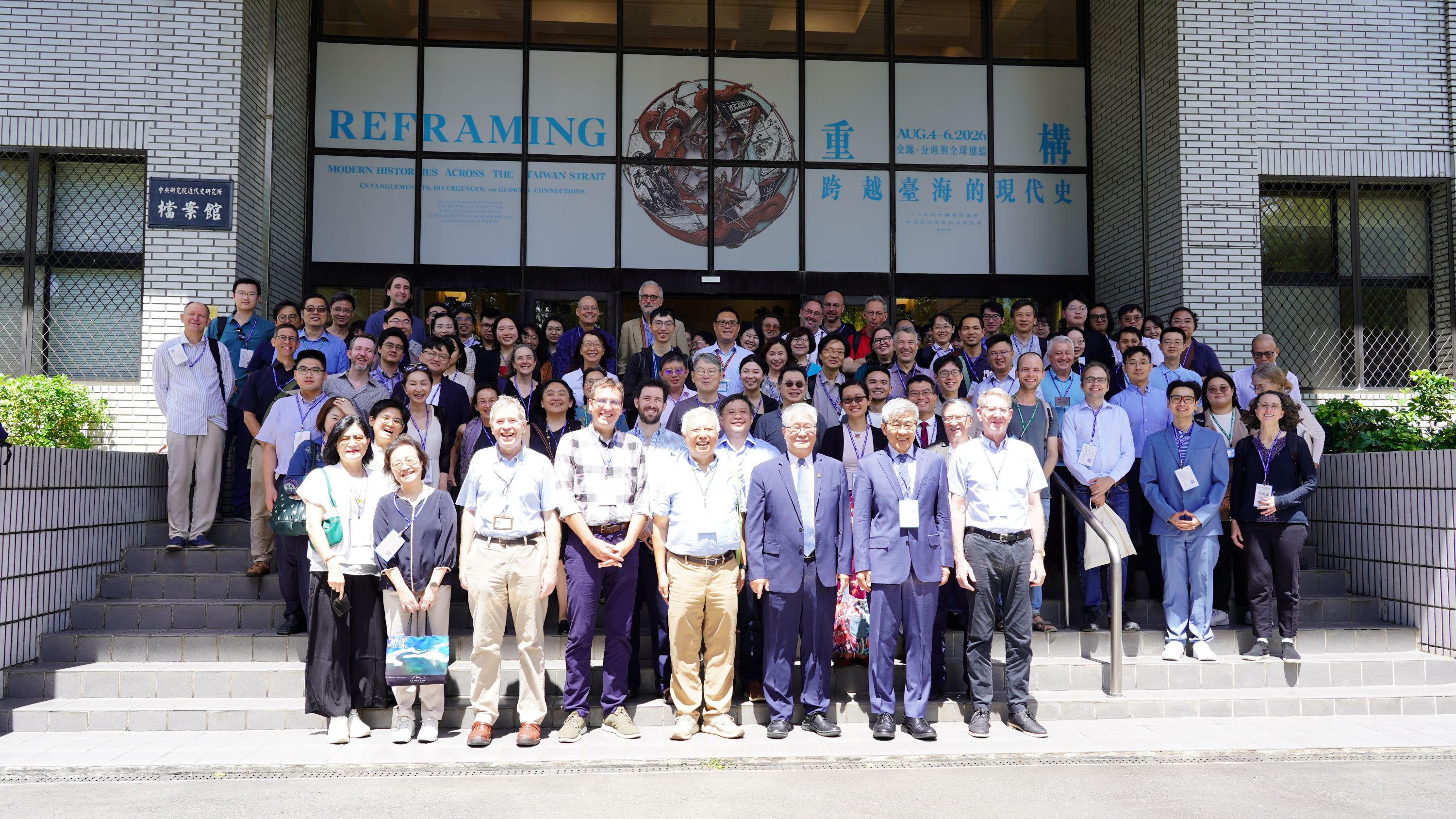
The international conference, “Reframing Modern Histories Across the Taiwan Strait: Entanglements, Divergences, and Global Connections,” jointly hosted by the Institute of Modern History (IMH) at Academia Sinica and the Historical Society for Twentieth-Century China (HSTCC), opened today (August 4) at Academia Sinica. Over the course of three days, the conference brings together scholars from 15 countries, representing more than 100 universities and research institutions. Featuring 208 scholarly papers, it is the largest international conference on modern Chinese history held in Taiwan in recent years, offering diverse global perspectives on the modern histories of Taiwan, China, and East Asia.
Global warming is placing coral reefs around the world at increasing risk of severe bleaching. A research team led by Distinguished Research Fellow Sen-Lin Tang of Academia Sinica’s Biodiversity Research Center has found that a coral-associated bacterium can enhance tolerance to high temperatures and mitigate the physiological damage caused by heat stress.
Academia Sinica held a welcome and farewell tea reception today, presided over by President Chien-Jen Chen, to mark the leadership transition of the Vice President for the Division of Mathematics and Physical Sciences and the Secretary-General. At the ceremony, Academician Yu-Ju Chen, Distinguished Research Fellow at the Institute of Chemistry, and Dr. Chi-Hon Lee, Distinguished Research Fellow at the Institute of Cellular and Organismic Biology, were announced as the incoming Vice President and Secretary-General, respectively. They will assume their new positions on August 1, succeeding Academician Mei-Yin Chou and Distinguished Research Fellow Chun-Houh Chen, whose terms conclude on July 31
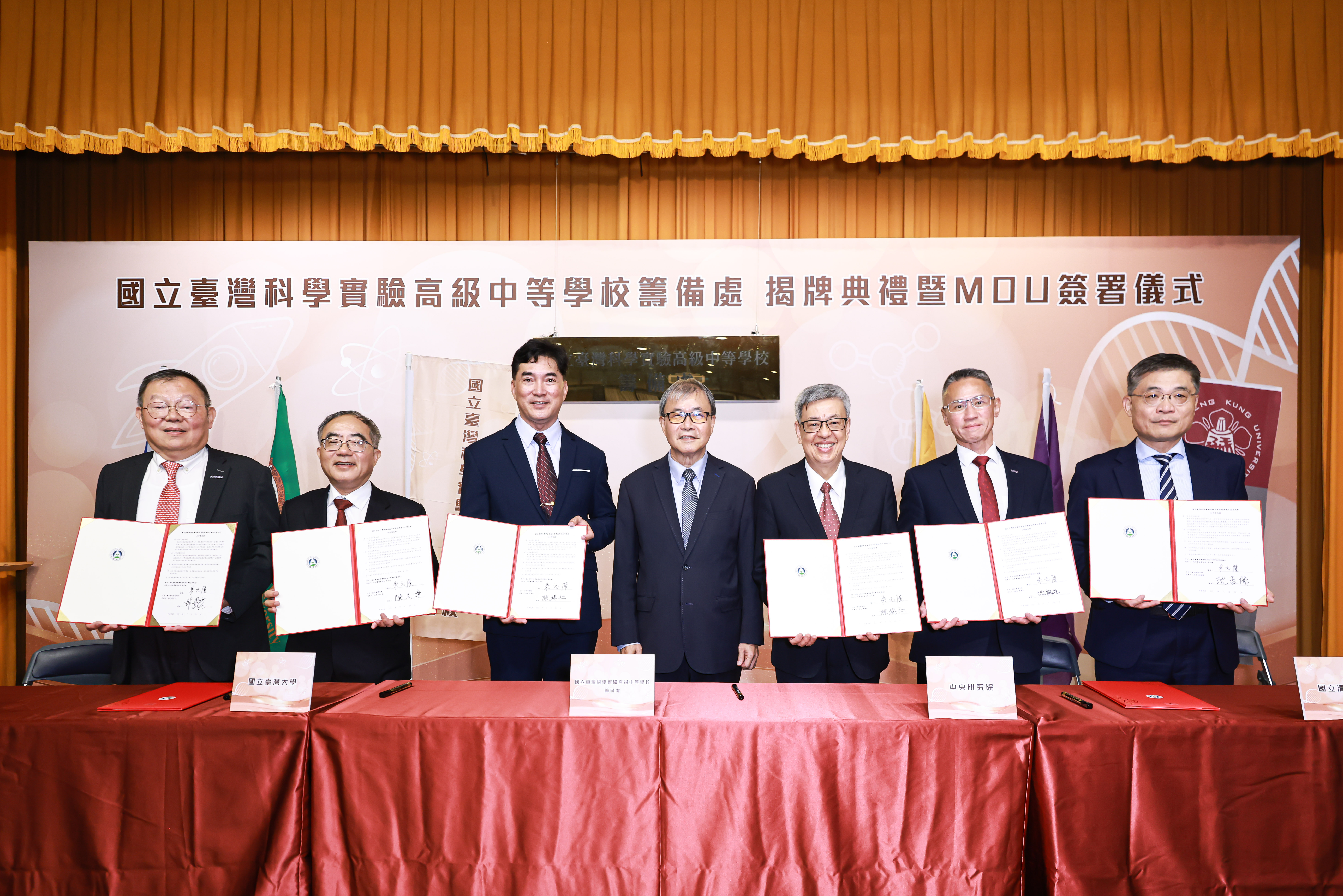
As global competition for scientific research continues to intensify, cultivating the next generation of talents has become a strategic national priority. Academia Sinica today joined the Ministry of Education, National Taiwan University, National Tsing Hua University, National Yang Ming Chiao Tung University, and National Cheng Kung University to inaugurate the Preparatory Office of the National Taiwan Science Experimental Senior High School and sign a Memorandum of Understanding (MOU). The partnership is Taiwan's first collaborative platform linking senior high school education, universities, and a national research institution to foster future scientists.
How did the highly complex vertebrate brain evolve from a simple ancestral blueprint? A new study now brings scientists significantly closer to answering this longstanding question. In a recent study published in Science Advances, a research team led by Research Fellow Jr-Kai Yu and Postdoctoral Fellow Che-Yi Lin from the Institute of Cellular and Organismic Biology at Academia Sinica has constructed a spatially resolved cell-type atlas of the adult amphioxus brain, unveiling the deep ancestry of our own central nervous system.
On July 24, Academia Sinica President Chien-Jen Chen welcomed a delegation from National Ilan University (NIU), led by former Legislative Yuan President You Si-Kun, who serves as University Advisor, and NIU President Wei-Jung Chen. Participants exchanged views on marine science, artificial intelligence (AI), autonomous vehicles, bioenergy, and talent cultivation. President Chen noted that Yilan is endowed with abundant marine, ecological, agricultural, and industrial resources, while NIU has established a strong reputation in regional revitalization and collaboration between academia and industry. He expressed hope that the two institutions would expand interdisciplinary research and joint talent cultivation to advance innovative research with distinctive regional strengths.
Secretariat
2026/08/14
Knowledge Feast-Popular Science Lecture in Honor of Late President Wu Ta-You: “What We Can Contribute to Cancer in Taiwan?”
Department of Academic Affairs and Instrument Service
2026/08/04
2026 IRB-HS Training II
Institute of Modern History
Dr. Shiuon Chu of the Institute of Modern History Receives the 2026 ISCHE First Book Award
Institute of Astronomy and Astrophysics
2026/07/21
Academia Sinica's Ink-Wash Astronomy Animation Featured in Manhattan's "Beyond Digital" Exhibition
Application Results for 2026 2nd Round Academia Sinica Grand Challenge Program Seed Grant
Department of International Affairs
2026/07/20
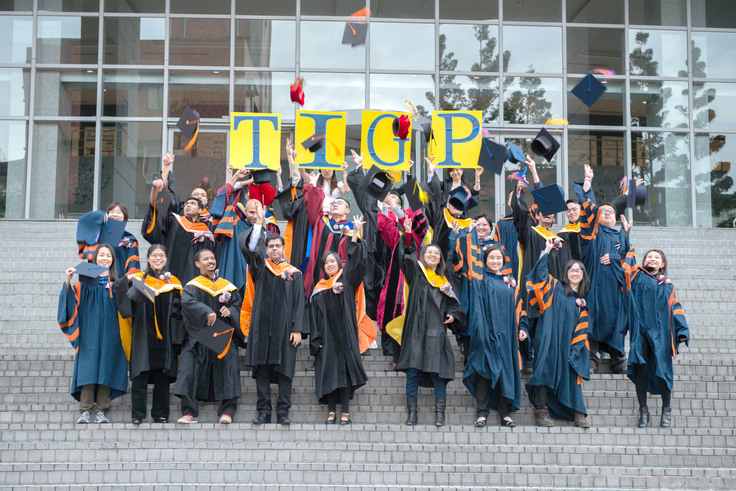
The Announcement of 2026 TIGP Admissions
Institute of History and Philology
2026/07/14
The Digital Humanities Research Project (Academia Sinica Center for Digital Cultures) 2027 Call for Proposals
2026/07/13
[Call for Proposals] 2027 1st Round Academia Sinica Grand Challenge Program Seed Grant
The 2027 Postdoctoral Scholar Program (First Round) Accepting Applications from August 1 to September 1, 2026, 17:00 (Taiwan Time)
2026/07/03
Special Lecture: “Towards a Science of Intelligence: How Do Brains and Machines Learn, Think, and Imagine”
2026/06/17
Academia Sinica and National University of Science and Technology, Oman Sign MoU to Strengthen Academic and Research Collaboration
Institute of Atomic and Molecular Sciences
2026/06/15
Call for Proposals: The 2026 iMATE program is now open for public solicitation
2026/06/01
2026 IRB-BM Training I
2026/05/25
2027 National Taiwan University and Academia Sinica Innovative Joint Program accepting Applications until July 10, 2026
2026/05/22
Dr Kuan-Jen Chen, Assistant Research Fellow at the Institute of Modern History, Elected a Fellow of the Royal Historical Society (FRHistS)
2026/05/21
The 2026 Academia Sinica Fellowships for Doctoral Candidates in the Humanities and Social Sciences
2026/05/13
2026Academia Sinica Cultural Events
2026/05/04
Call for Proposals: We are currently accepting applications for the 2027 Academia Sinica Biotechnology Research and Translation Program and Infectious Diseases Research Project.
2026/04/27
Knowledge Feast-Popular Science Lecture in Honor of Late President Chia-Hua Chu: “Quantum and Nano Science & Technology for Modern Civilization"
2026/04/16
TAIWAN BRIDGES Lecture by Nobel Laureate: “International Collaboration in Basic Science - From My Experience”
Personnel Office
2026/04/14
Establishment of the Office of Mediation: Creating a New Channel for Secure Communication
Genomics Research Center
2026/04/10
Academician Chien-Jen Chen Awarded the 2026 APASL Okuda-Omata Distinguished Award
2026/03/26
TAIWAN BRIDGES Lecture by Nobel Laureate: “The Molecules of Life, AI and Human Health”
2026/03/12
TAIWAN BRIDGES Lecture by Nobel Laureate: “The Brain’s GPS: How We Know Where We Are”
2026/03/02
Knowledge Feast-Popular Science Lecture in Honor of Late President Shih-Chieh Wang: “Understanding Triadic Balance in a Real-Time Experiment among Taiwanese, Chinese, and Americans”
2026/02/25
We are currently accepting applications for the 2027 Academia Sinica Career Development Award, Investigator Project Grant, Thematic Research Program, and Grand Challenge Program.
2026/02/13
TAIWAN BRIDGES Lecture by Nobel Laureate: “The Antibody Revolution”
2026/02/11
Knowledge Feast-Popular Science Lecture in Honor of Late President Chien Shih-liang: "To Fertilize or Not? — How Plant Nutrition Shapes Our Food and the Environment""
Institute of Ethnology
2026/02/03
FIELD MATERIALS INSTITUTE OF ETHNOLOGY ACADEMIA SINICA Volume 31 has been published
2026/01/30
Academia Sinica Lecture by 2025 Nobel Laureate Dr, John Martinis "Quantum Computing’s Industrial Revolution: From Lab to Fab"
Institute of Chemistry
2026/01/29
Distinguished Research Fellow Yu-Ju Chen of the Institute of Chemistry Receives the HUPO Distinguished Achievement in Proteomic Sciences Award
TAIWAN BRIDGES Lecture by Nobel Laureate: “Why You Should Love GMOs?”
2026/01/19
TAIWAN BRIDGES Lecture by Nobel Laureate: “Is There a Planet B – Will Humanity Emigrate to an Exoplanet?”
2026/01/09
TAIWAN BRIDGES Lecture by Nobel Laureate: “The Laser and Quantum Physics”
2025/12/29
The 2026 Academia Sinica Fellowships for Doctoral Candidates in the Humanities and Social Sciences Accepting Applicants
2025/12/23
Knowledge Feast-Popular Science Lecture in Honor of Late President Tsai Yuan-Pei: "You and AI: Thriving with Technology"
ACADEMIA SINICA PRESS
2025/12/22
“Geometry and Light of Knowledge: Selected Buildings of Academia Sinica” has been published
2025/12/18
2025 NSTC Research Fellows Awardee from Academia Sinica
2025/12/10
Public announcement of the revision draft of the “Information and Biospecimen Usage Fees of the Taiwan Biobank”
2025/12/03
Dr. See-Yeun Ting of the Institute of Molecular Biology Selected as EMBO Young Investigator
2025/11/21
The Haptic Eye: Sensory Encounters in VR Cinema
TAIWAN BRIDGES Lecture by Nobel Laureate: “Who Can Influence the End of Conflict-Related Sexual Violence (CRSV) Worldwide? – The Power of Personal Stories and the Role of Activism”
2025/11/05
TAIWAN BRIDGES Lecture by Nobel Laureate: “The End of Disease? – The Extraordinary Developments in Biomedicine and the Implications for Humanity”
2025/11/01
TIGP Application Announcement for 2026
2025/10/29
2025 Academia Sinica Lecture: Black Holes: Where Disciplines Cross
2025/10/08
Academia Sinica at the Frankfurt Book Fair: Opening Global Dialogue Through Diverse Academic Perspectives
Research Center for Critical Issues
2025/09/30
Academia Sinica’s Internally Developed Quantum Computing Test Space Opens for Applications
2025/09/17
Congratulations to Dr. Liang-Yan Hsu on Receiving the 2024 Emerging Investigator Best Paper Award from The Journal of Chemical Physics
2025/09/15
21 Awardees Received Fellowship for Doctoral Students in Humanities and Social Sciences
2025/08/13
Knowledge Feast-Popular Science Lecture in Honor of Late President Ta-You Wu : “Unveiling the Secret of Floral Beauty"
2025/07/23
Academia Sinica Co-hosts Tri-Lateral Biomedical Symposium with UCLA and Kyoto University
2025/07/15
Event: Academia Sinica 13th Presidential Search Forum
2025/07/14
2025 IRB-BM Training II
2025/07/08
The Announcement of 2025 TIGP Admissions
2025/06/23
2025/06/19
2nd Session, 2025_ Short-term Domestic Visiting Scholars to Academia Sinica Approved
2025/06/09
Dr. Kuan-Jen Chen has been awarded the 2024 NASOH John Lyman Book Award in World Naval History
2025/06/06
The 2025 Academia Sinica Fellowships for Doctoral Candidates in the Humanities and Social Sciences
2025/05/29
Announcement of the 2025 2nd Session Academia Sinica Postdoctoral Scholars
2025/05/26
2025 Dr. Hu Shih Memorial Chair Professorship Now Accepting Applications
2025/05/23
Election of Research Staff and Research Specialist Representatives to the 13th Academia Sinica Presidential Search Committee Announcement of Candidates
2025/05/15
Announcement of Approval: 2025-2026 International Cooperation and Exchange Program between Academia Sinica and the Polish Academy of Sciences
2025/04/23
2025 IRB-HS Training II
2025/04/21
Knowledge Feast-Popular Science Lecture in Honor of Late President Chia-Hua Chu : “Viewing the Universe through Black Holes"”
2025/04/18
List of New Research Fellow Representatives to Academia Sinica’s 12th General Assembly
[Call for Proposals] 2026 Sustainability Science Research Program
2025/04/02
Join Our EMBO Training Courses “Telling your Story: Writing a Narrative CV”
2025/03/21
Dr. Han-Chin Wang from the Institute of Cellular and Organismic Biology Awarded the 2024 Li Foundation Heritage Prize
2025/03/20
Election of Research Fellow Representatives to Academia Sinica’s 12th General Assembly
2025/03/13
2025 IRB-HS Training I
2025/03/10
2025 Second Session Short-term Domestic Visiting Scholars is Now Open for Online Application by April 18, 2025.
2025/03/04
2024 NSTC Outstanding Research Award Awardees from Academia Sinica
2025/02/28
2025 TIIP- International Internship Program List of Acceptance Interns
2025/02/27
Knowledge Feast-Popular Science Lecture in Honor of Late President Shih-Chieh Wang: “Understanding the Taiwanese People's Will to Defend: Evidence from Polls”
2024/12/19
Announcement of Approval: 2025-2026 International Cooperation and Exchange Program between Academia Sinica and the Czech Academy of Sciences
2024/12/06
The Awards Ceremony for the 2024 Academia Sinica Early-Career Investigator Research Achievement Award will be held on December 9
2024/03/29
2024 TIIP- International Internship Program List of Acceptance Interns!
Institute of European and American Studies
2024/02/20
ICPSR Registration is open for the 2024 ICPSR Summer Program
2024/01/15
TWAS Elects Academician Li-Chyong Chen as TWAS Member
Central Administrative Office
2023/08/22
Letter from President Liao: Policy to Supplement Stipends for Academia Sinica Ph.D. Students
Letter from President Liao to Ph.D. Students: Supplemental Stipends for Academia Sinica Ph.D. Students
Division of Life Sciences-Institute of Plant and Microbial Biology
Chuan Ku Lab
Apply by:2026/09/01
Chuan Ku Lab 顧銓研究室
Division of Life Sciences-Institute of Molecular Biology
Dr. Hsueh-Chi Yen
Apply by:2026/08/31
Dr. Jun-An Chen's lab
Division of Humanities and Social Sciences-Institute of Modern History
Apply by:2026/09/15
Division of Humanities and Social Sciences-Institute of Sociology
Dr. CHENG Yen-hsin Alice
09/20~08/20
12:00 Department of General Affairs
[Exhibition Info]"The Lingnan School in Taiwan for half a centry─Dialogue Between Painting and Poetry: The 90th Anniversary Retrospective of Au Ho-Nien. " At the Lingnan Fine Art Museum of Academia Sinica
05/01~08/31
12:00 Institute of European and American Studies
IICPSR Registration is open for the 2026 ICPSR Summer Program!
06/29~08/31
08:00 Research Center for Humanities and Social Sciences
中央研究院人社中心GIS專題中心 -- 2026年大專生暑期專題研習計畫 (2026 GIS Summer Internship)
07/01~08/31
09:00 Institute of Statistical Science
2026 Summer Internship Program
07/03~08/27
09:00 Institute of Cellular and Organismic Biology
ICOB Summer Internship Program (07/03-08/27)
08/05~08/19
01:00 Research Center for Humanities and Social Sciences
「北北基桃通勤生活調查」網路調查
08/17
10:00 Institute of Molecular Biology
Mechanistic modeling of genetic circuits in single cells with implications for medicine
11:00 Institute of Biomedical Sciences
Genetic epidemiology and multi-omics integration in the era of large-scale human population biobanks
08/18~09/01
「臺灣基層治理與民主運作」網路調查
08/18
10:00 Institutum Iurisprudentiae
Did Chiang Kai-shek delay judicial independence in postwar Taiwan? Revisiting Judicial Yuan Interpretation No. 86
11:00 Institute of Molecular Biology
Expanding the Detectable Proteome: Small Proteins, Signaling, and Therapeutic Insights from Mass Spectrometry
11:00 Institute of Physics
Feeding Primordial Black Holes with BEC Fluid Dark Matter
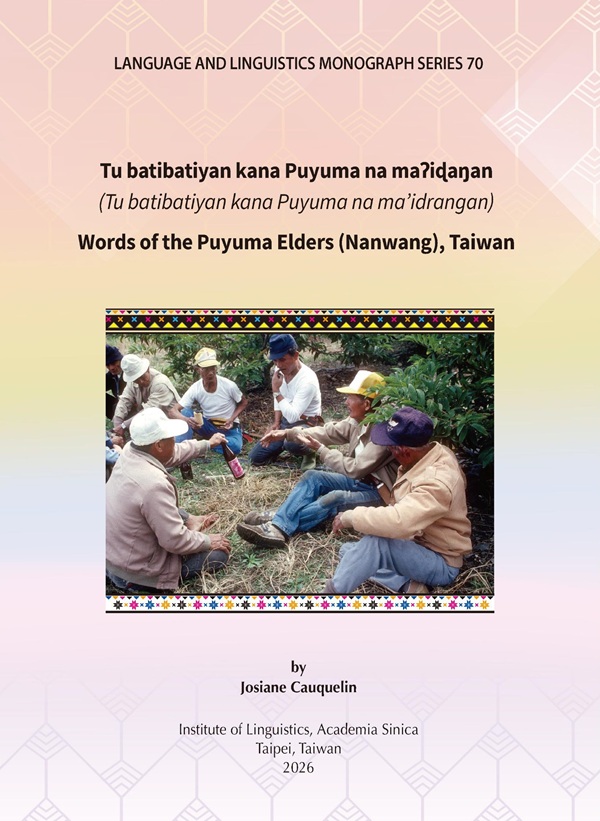
We are proud to announce the publication of Words of the Puyuma Elders (Nanwang), Taiwan, edited by Dr. Josiane Cauquelin. An introduction to this book is provided below.
RNA polymerase III (Pol III) is a vital molecular machine that every eukaryotic cell uses to produce short but essential RNA molecules needed to make proteins and sustain life. However, one of its key domain in Rpc34 subunit, has evaded detection by conventional structural biology methods including cryo-EM because of its being highly mobile. A research team led by Dr. Wei-Hau Chang (Institute of Chemistry), Dr. Hung-Ta Chen (Institute of Molecular Biology), together with Dr. I-Ping Tu (Institute of Statistical Science) at Academia Sinica innovated a new labeling method based on Bertozzi click chemistry and developed efficient and accurate FRET data analysis to allow them to track this tiny Rpc34 winged-helix domain in real time, one molecule at a time. They discovered that this domain moves among three preferred positions, helping keeping the transcription machinery stable and prime the machine ready for quickly start a new round of RNA production. Beyond deepening our understanding of how Pol III works, the new labeling technique provides a powerful tool for studying the dynamics of functional parts in many large biological machines. The research has been published on June 29, 2026 in PNAS. The research was supported by Academia Sinica and the National Science and Technology Council (NSTC).
Centered on two anthologies of statecraft essays compiled between the late Qianlong reign and the early Daoguang reign, this book examines how a statecraft learning—one with concerns with practical questions in governance—emerged as an alternative to the evidential scholarship, which had been the mainstream since the Qian-Jia period.
We are pleased to announce the new publication of issue 27.3 of Language and Linguistics
本院歷史語言研究所編印之Asia Major, Volume 38 Part 1已出版
The newest issue of Bulletin of the Institute of History and Philology, Academia Sinica has just been published by the Institute of History and Philology
The latest issue of《Bulletin of the Institute of Mathematics Academia Sinica New Series》has been published
The boundary between the Earth’s mantle and core (CMB), at about 2900 km depth, is a key region of our planet. It controls the heat that can be extracted from the core and transported up to the surface by convection movements in the mantle. As such, it also controls the cooling and dynamics of the core and its associated geodynamo process, which generates the Earth’s magnetic field. Using numerical simulations of mantle convection, a research team led by Dr. Frédéric Deschamps at the Institute of Earth Sciences, Academia Sinica, showed that beneath regions known as large shear-wave velocity provinces (LLSVPs), which are thought to be hotter than their surroundings and enriched in iron, the amount of heat that can be extracted from the core to the mantle is lower than the amount of heat provided by the core, and that, locally, heat may even flow from the mantle to the core. By contrast, heat flux beneath slabs arriving at the CMB is high, leading to strong lateral heat flux heterogeneity. This may lead to regional stratification occurs at the top of the core and explain the onset and termination of geomagnetic superchrons. The research has been published on June 17, 2026 in Nature Geoscience.
This special issue on Social Meaning and Reality II has a total of four research articles.
The newest issue of the Journal of Social Sciences and Philosophy has just been published by the Research Center for Humanities and Social Sciences.
The newest issue of Academia Economic Papers has been published. Articles in this issue include
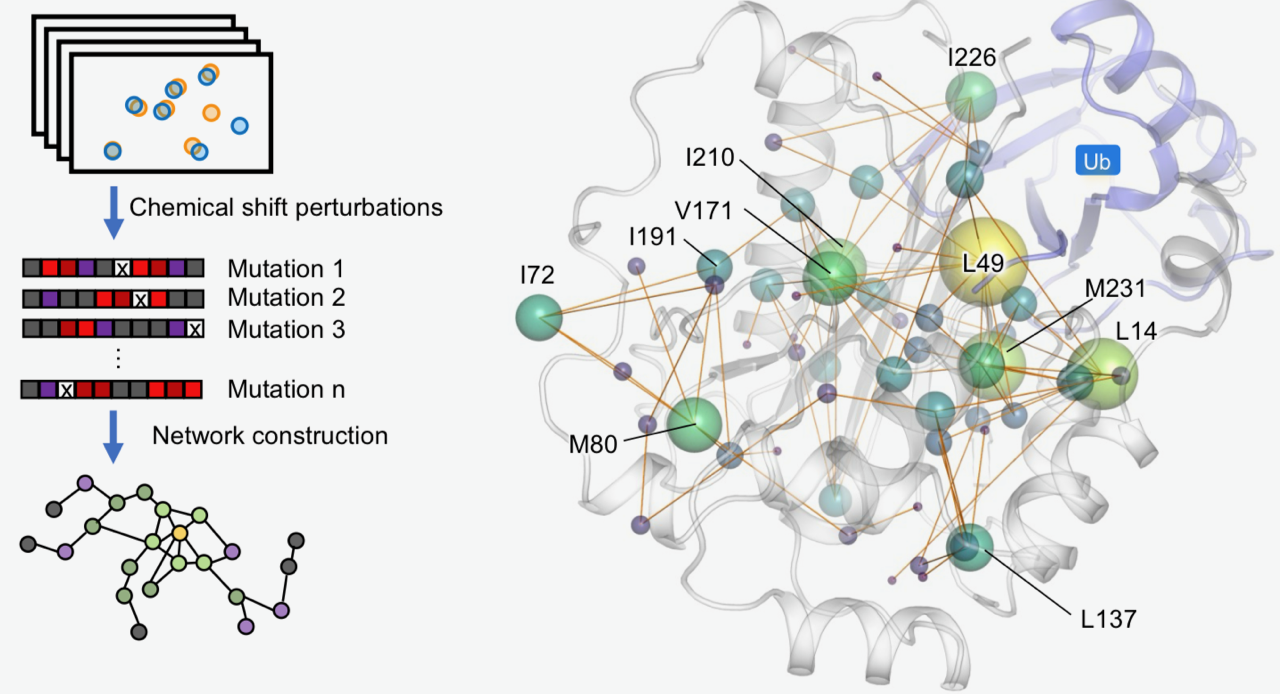
A research team led by Professor Shang-Te Danny Hsu at the Institute of Biological Chemistry, Academia Sinica, combined advanced methyl NMR, protein dynamics analysis, and molecular simulations to map, for the first time, the long-range allosteric regulatory network inside the important tumor suppressor protein BAP1 and to systematically examine the molecular effects of nearly 50 cancer-related mutations. BAP1 is closely linked to several cancers, including mesothelioma, uveal melanoma, and renal cell carcinoma, and its core structure has a rare deeply knotted fold. The team found that an amino acid in the protein core, L49, acts as a key hub for coordinating internal communication. Even a mutation that shortens its side chain by just one carbon atom can disrupt the dynamic coupling between different parts of the protein, causing its deubiquitinase activity to be lost. Further analysis showed that many cancer mutations found in patients are far from the active site, yet they can still affect protein stability and function by disturbing this regulatory network. This study provides one of the most comprehensive structure-function maps of BAP1 cancer mutations to date, offering an important molecular basis for understanding how BAP1-related cancers develop and highlighting the unique power of advanced NMR techniques for revealing protein dynamics and disease mechanisms.
The bi-weekly “Academia Sinica Newsletter”(English version) is responsible for sharing professional knowledge, research results and other information in order to keep you abreast of the latest news at Academia Sinica.
“AS Researchers Tell” is a popular science platform for a general audience that introduces research results in mathematics, the natural sciences, and the humanities and social sciences, as well as the ups and downs of researchers’ academic lives.


.jfif)