

 Home
HomeDate: 2026-08-04
The international conference, “Reframing Modern Histories Across the Taiwan Strait: Entanglements, Divergences, and Global Connections,” jointly hosted by the Institute of Modern History (IMH) at Academia Sinica and the Historical Society for Twentieth-Century China (HSTCC), opened today (August 4) at Academia Sinica. Over the course of three days, the conference brings together scholars from 15 countries, representing more than 100 universities and research institutions. Featuring 208 scholarly papers, it is the largest international conference on modern Chinese history held in Taiwan in recent years, offering diverse global perspectives on the modern histories of Taiwan, China, and East Asia.
Advancing Modern History Research from China and Taiwan to East Asia and the World
In his opening remarks, Academia Sinica Vice President Shin-Kun Peng emphasized that Academia Sinica remains firmly committed to supporting research in the humanities and social sciences amid the evolving challenges facing humanities research worldwide. He noted that the study of modern history not only provides an essential foundation for comprehending the contemporary world but also represents one of Taiwan’s strongest areas of international competitiveness in the humanities. Looking ahead, Academia Sinica will continue to strengthen collaboration with scholars worldwide, advancing research that encompasses China, Taiwan, East Asia, and global perspectives, while enhancing Taiwan’s international standing in humanistic scholarship.
Academia Sinica has long played a leading role in advancing humanities and social sciences research through nationwide academic resource-sharing initiatives and programs such as the Scholarly Monograph Award in the Humanities and Social Sciences and the Humanities and Social Sciences Doctoral Fellowship, which encourage scholarly innovation and cultivate emerging researchers. Since 2014, Academia Sinica has also partnered with medical universities across Taiwan to offer Humanities Core Courses. This year, the Taiwan International Graduate Program launched its first doctoral program in the humanities and social sciences—East Asia and the Making of the Modern World—to foster the next generation of scholars through interdisciplinary and international collaboration.
Re-examining Modern History through Transnational and Interdisciplinary Perspectives
IMH Director Hsiang-Lin Lei noted that the study of modern history has increasingly moved beyond traditional, state-centered frameworks, placing greater emphasis on transregional, interdisciplinary, and global perspectives. In addition to specialists in modern Chinese history, the conference brings together scholars of Taiwanese, Japanese, Korean, Southeast Asian, European, and American history, encouraging participants to reconsider how modern history has been shaped through interactions across regions and cultures.
The conference emphasizes the interactions and divergences among Taiwan, China, and East Asia while reassessing twentieth-century history through through a global perspective. The program covers a broad range of topics, including the histories of gender, medicine, law, religion, the Cold War, diplomacy, the environment, and regional studies. Several forums focusing on science, technology, and governance also reflect growing international interest in examining the evolving relationships among technology, the state, and society. Through case studies ranging from public health and infrastructure development to information governance, these sessions highlight the interplay of the history of technology and political, social, and cultural history.
A featured roundtable, “Modern Chinese History, HSTCC and Twentieth-Century China,” brings together former and current HSTCC presidents, editors of the Society's flagship journal, Twentieth-Century China, and IMH scholars to reflect on the Society’s journey in fostering international exchange since its founding in 1983 and to discuss future directions for research on twentieth-century China. As a preeminent scholarly community in the study of modern China, the HSTCC has long facilitated global collaboration and dialogue through its biennial conferences and journal.
In addition to the formal sessions, the conference features guided tours of the Archives of IMH, the Kuo Ting-yee Library, and the Hu Shih Memorial Hall, as well as an academic book fair introducing Taiwan’s significant research resources to international participants. These activities strengthen international academic collaboration while highlighting Taiwan's role as an international hub of modern historical research and exchange.
For more information about the conference, please visit
https://2026imh.github.io/conference-2026/#/en/home
-
Rong-Ci Liao, Institute of Modern History, Academia Sinica
02-2782-4166#123,rcliao@as.edu.tw
-
Ms. Tsuey-Yin Piong, Media & Public Affairs, Secretariat, Academia Sinica
(02) 2789-8821,fangzi@as.edu.tw
-
Ms. Steffi Tung Lin, Media & Public Affairs, Secretariat, Academia Sinica
(02) 2789-8820,tunglin@as.edu.tw
-
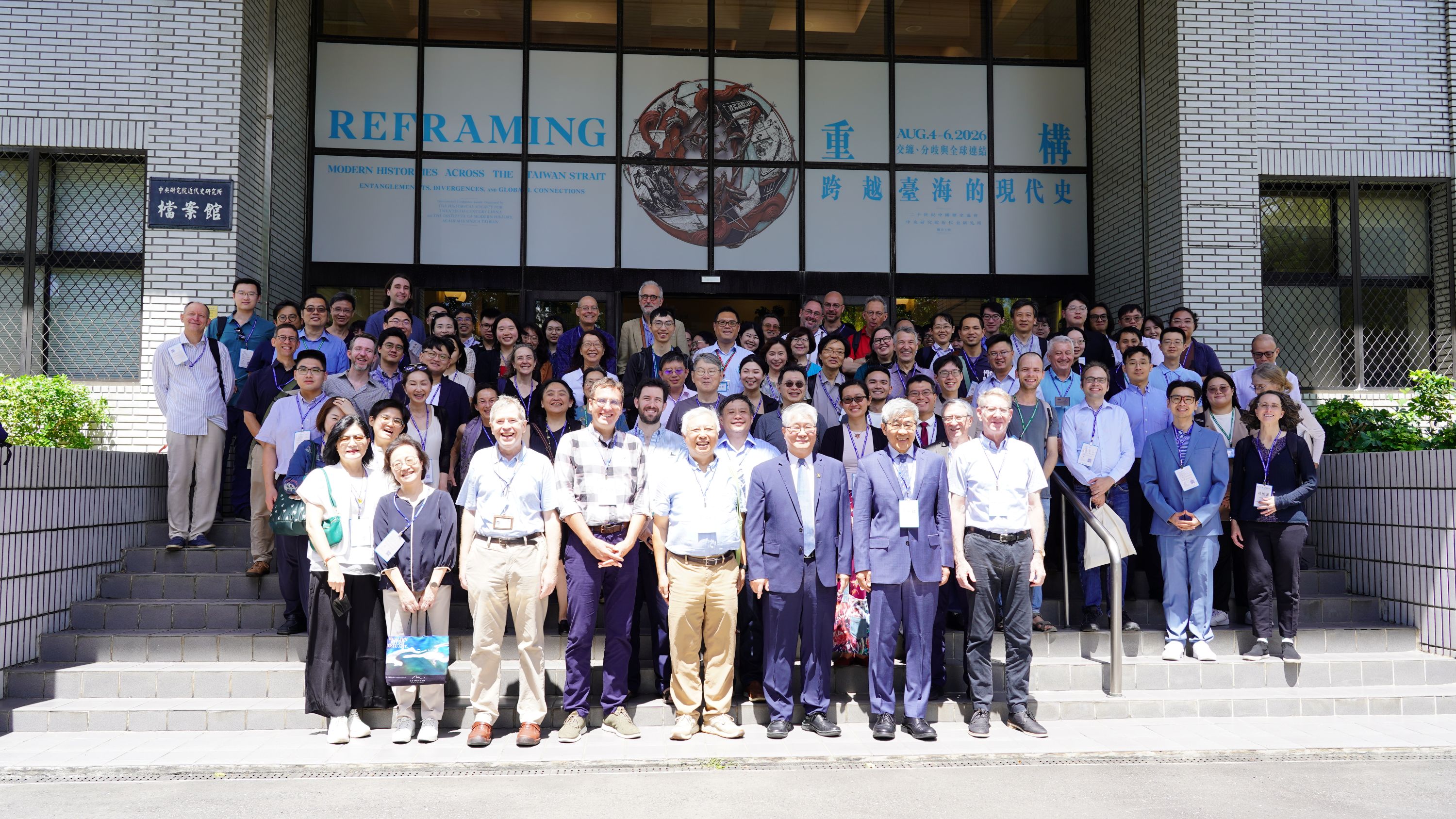 Group photo of participants at the international conference “Reframing Modern Histories Across the Taiwan Strait: Entanglements, Divergences, and Global Connections.” Photo credit: Academia Sinica.

-
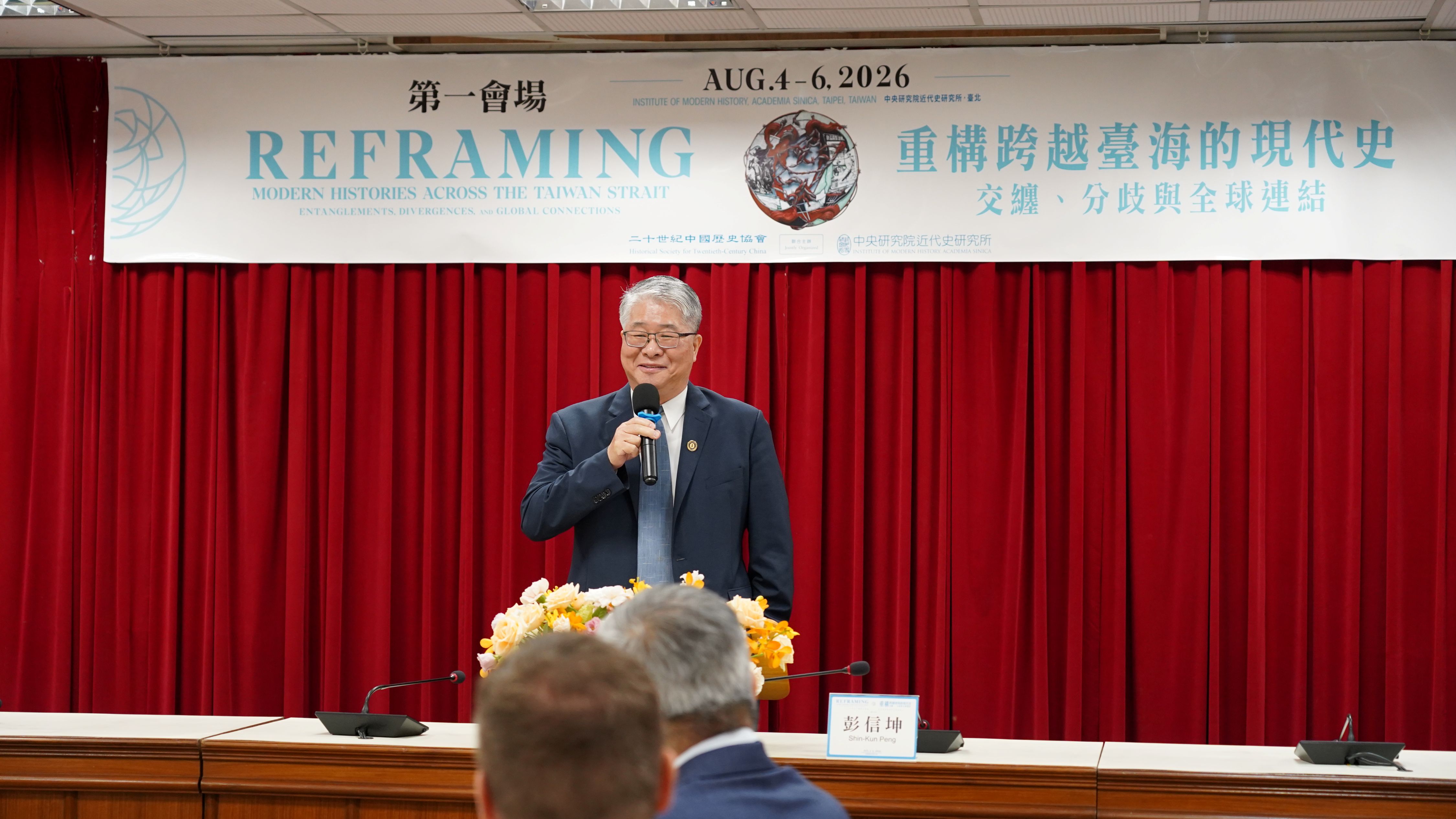 Shin-Kun Peng, Vice President of Academia Sinica, delivers remarks. Photo credit: Academia Sinica.
-
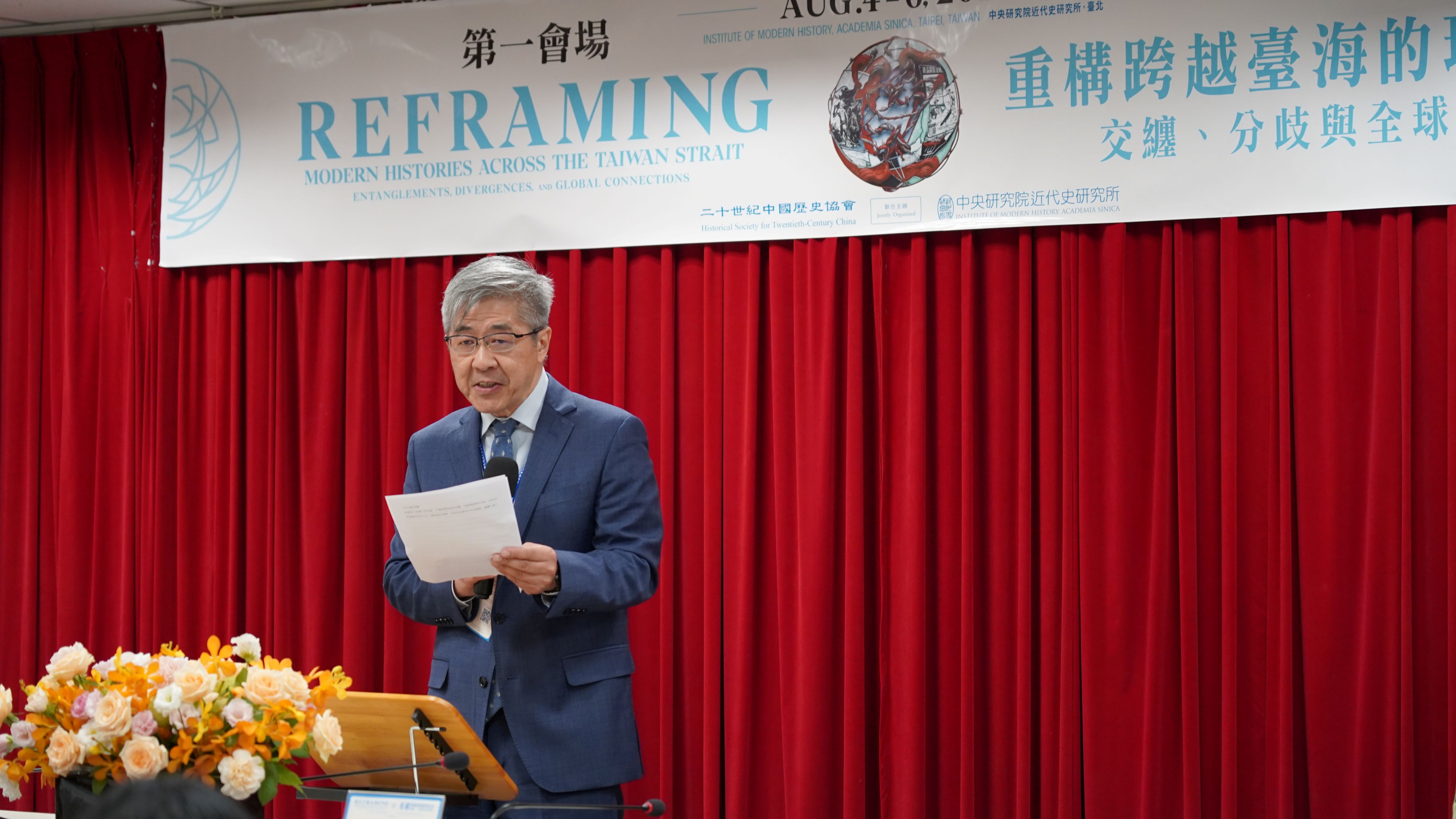 Hsiang-Lin Lei, Director of the Institute of Modern History at Academia Sinica, delivers remarks. Photo credit: Academia Sinica.
-
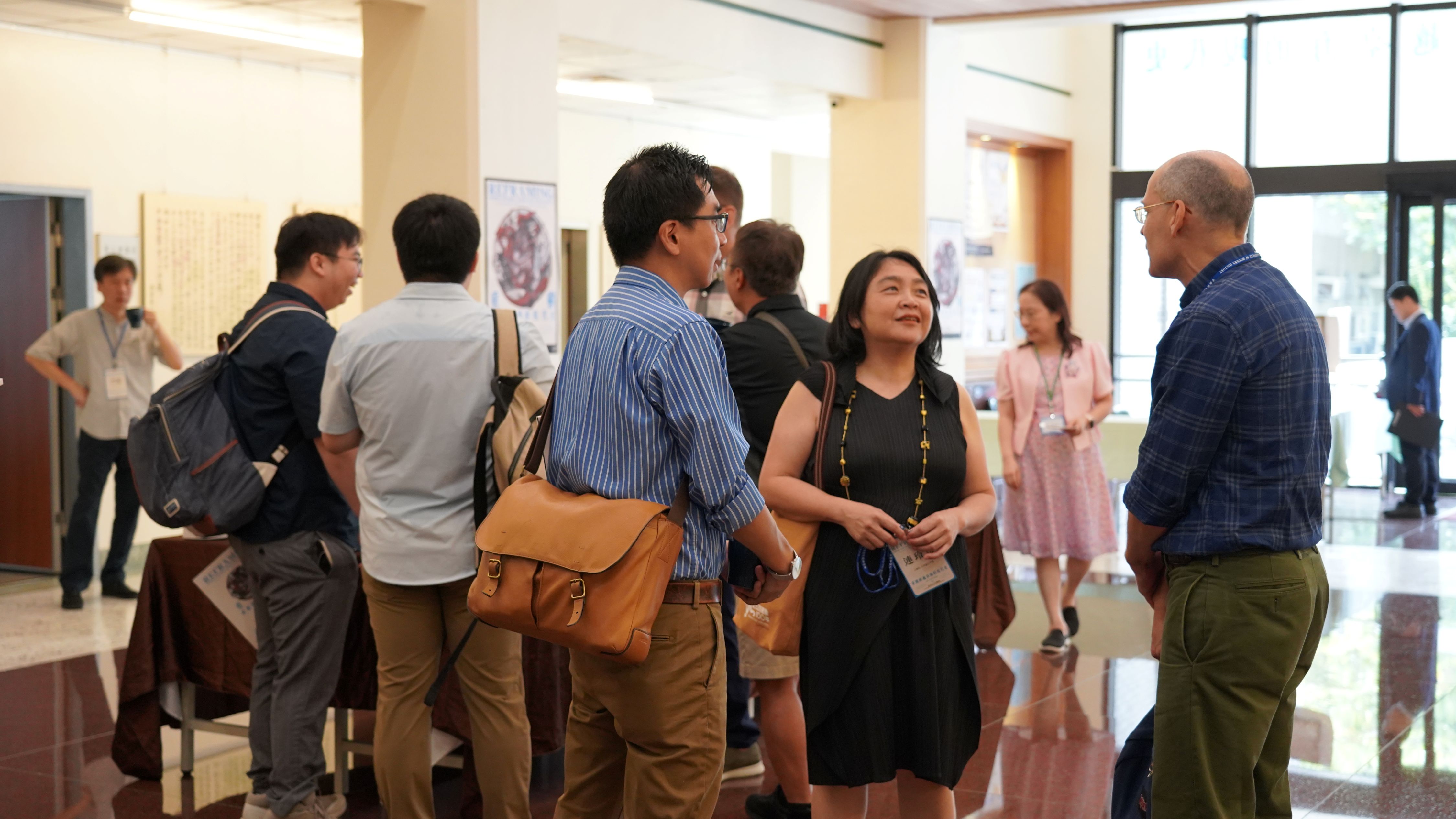 Scholars participating in the international conference. Photo credit: Academia Sinica.
-
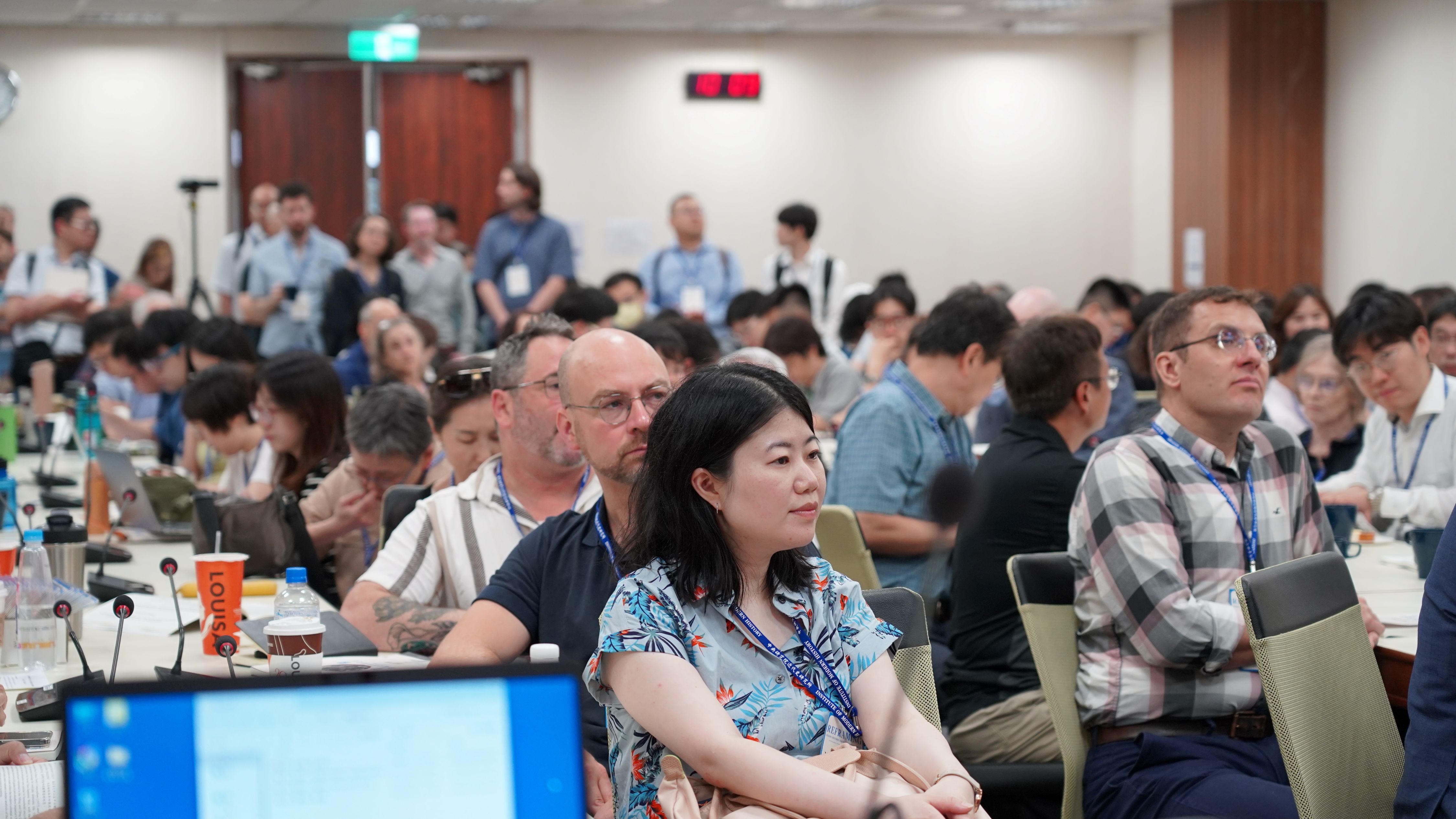 Scholars participating in the international conference. Photo credit: Academia Sinica.
-
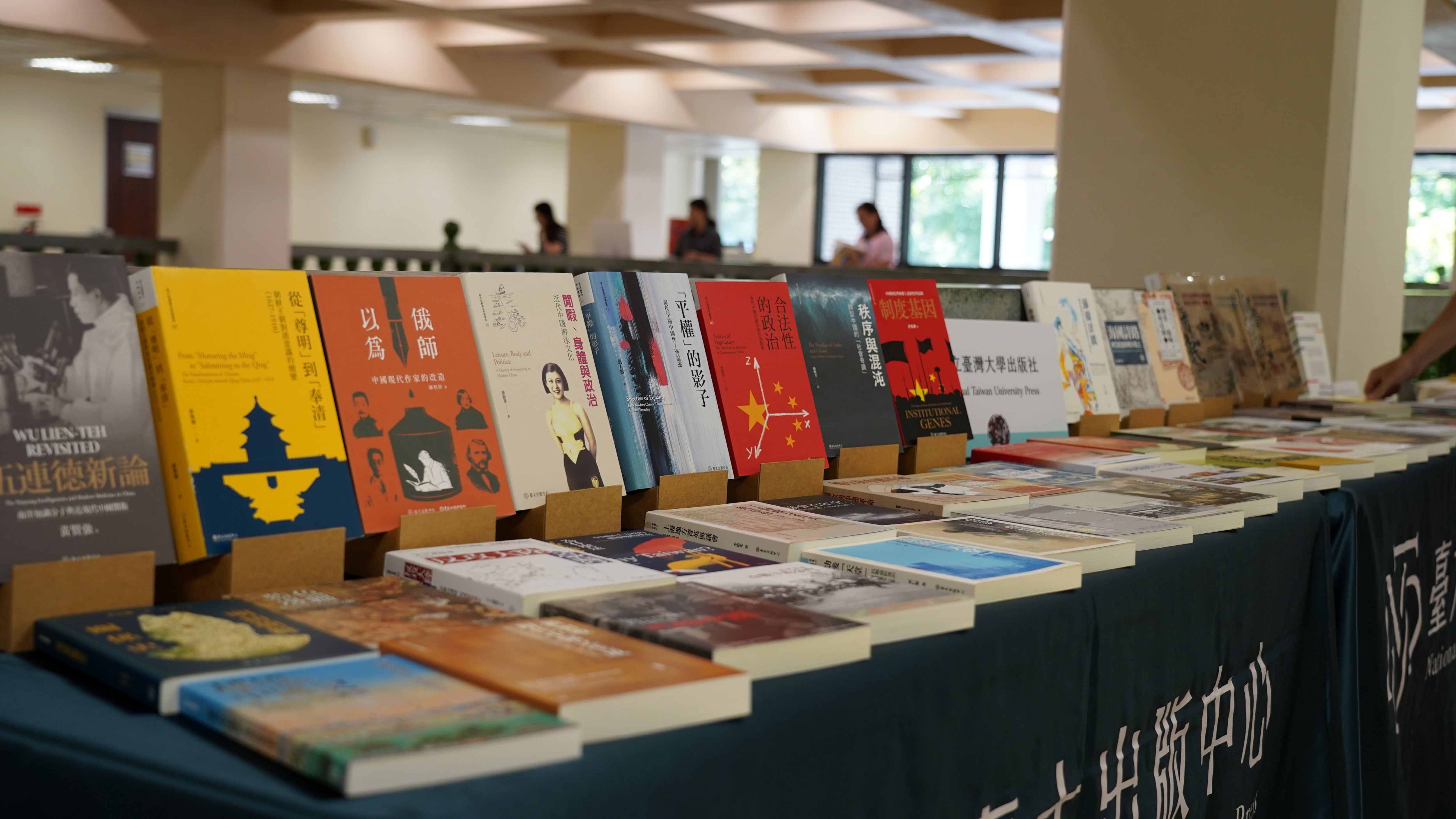 Academic book fair. Photo credit: Academia Sinica.
-
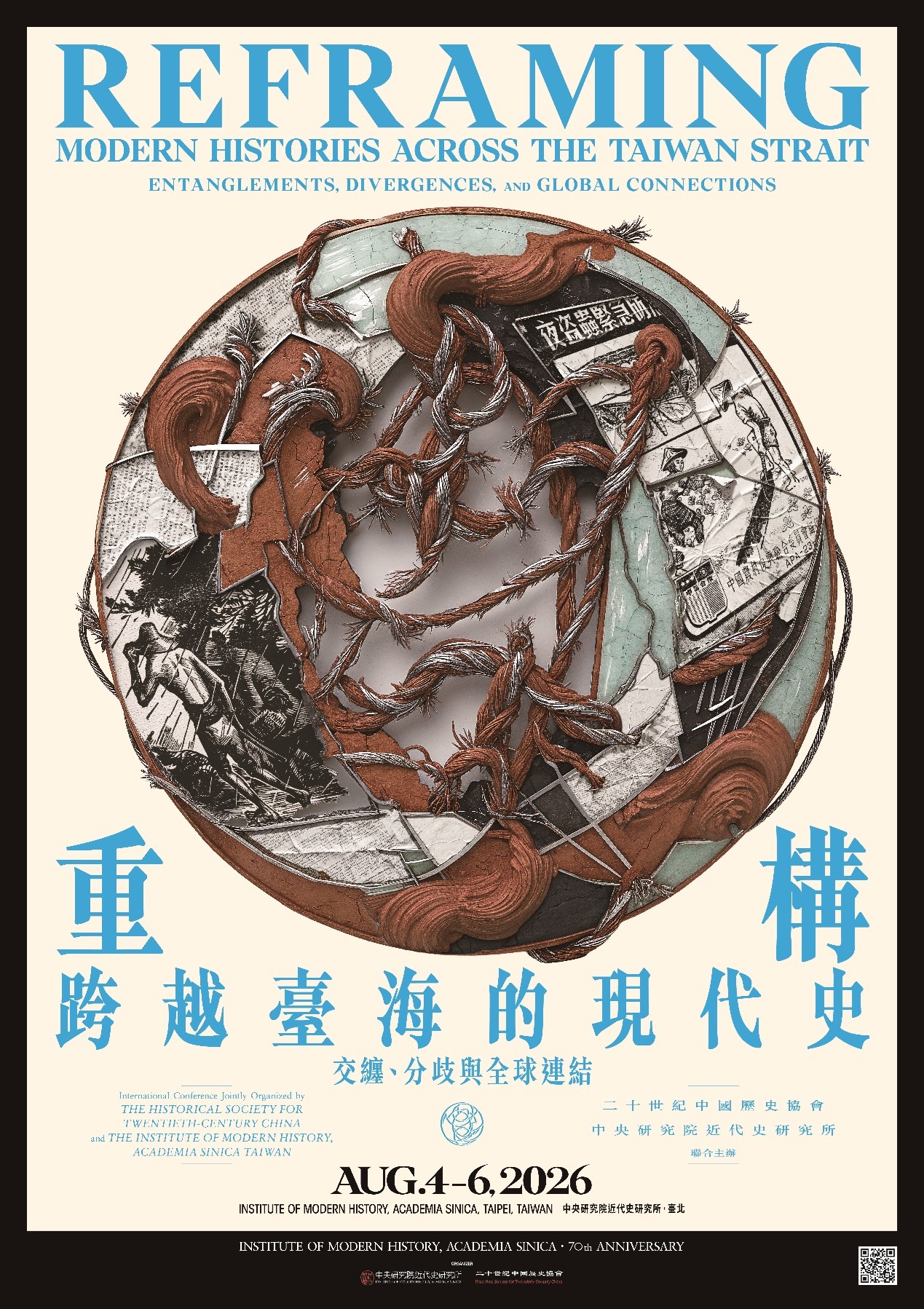 Poster for the international conference “Reframing Modern Histories Across the Taiwan Strait: Entanglements, Divergences, and Global Connections.” Photo credit: Academia Sinica.