


 Home
HomeDate: 2026-07-15
Academia Sinica President Chien-Jen Chen met on July 14 with a delegation from the Centre for Eye Research Australia (CERA), led by Managing Director Professor Keith Martin. During the meeting, the two sides exchanged views on precision medicine, research resource sharing, and institutional collaboration. President Chen noted that Academia Sinica has long been committed to advancing fundamental research and building key platforms and resources that support cutting-edge biomedical science. He expressed hope that international collaboration would bring together the strengths of research institutions, healthcare systems, and industry to accelerate the development of precision medicine, accelerate the translation of research into clinical applications, and ultimately improve human health and well-being.
From Sharing Resources to Exchanging Talent
During the meeting, both sides described their research priorities and recent achievements. Given their complementary research strengths and institutional missions, the participants agreed that future collaboration should focus on research data sharing, integrating research platforms, and promoting researcher exchanges, with continued discussions on concrete collaborative initiatives.
CERA is one of Australia’s leading ophthalmic research institutions, dedicated to investigating the mechanisms, diagnosis, and treatment of eye diseases, while translating research discoveries into clinical applications to prevent vision loss and improve eye health. In light of CERA’s strong commitment to precision medicine, President Chen suggested exploring opportunities to leverage Taiwan’s major research resources, including the Taiwan Precision Medicine Initiative (TPMI) and the Taiwan Biobank, to advance collaborative research in precision prevention. The Australian delegation expressed strong interest in both initiatives and looked forward to engaging with experts in these areas. President Chen also encouraged CERA to engage with Taiwan’s medical centers to explore potential collaborations in clinical research and translational medicine.
Professor Martin, a Fellow of the Australian Academy of Health and Medical Sciences, noted that Taiwan has significant strengths in gene therapy, biotechnology, and manufacturing. CERA, on the other hand, has extensive experience in ophthalmic research, clinical trials, and therapy development. He said these complementary strengths provide a solid foundation for expanding collaboration. Professor Martin also invited Academia Sinica researchers to visit Australia to strengthen scientific partnerships and strengthen links between research and industry in between countries.
Participants from Academia Sinica included President Chien-Jen Chen, Vice President Yi-Fang Tsay, and Tzu-Ching Meng, Director of the Department of International Affairs.
-
Ms. Tsuey-Yin Piong, Media & Public Affairs, Secretariat, Academia Sinica
(02) 2789-8821,fangzi@as.edu.tw
-
Ms. Steffi Tung Lin, Media & Public Affairs, Secretariat, Academia Sinica
(02) 2789-8820,tunglin@as.edu.tw
-
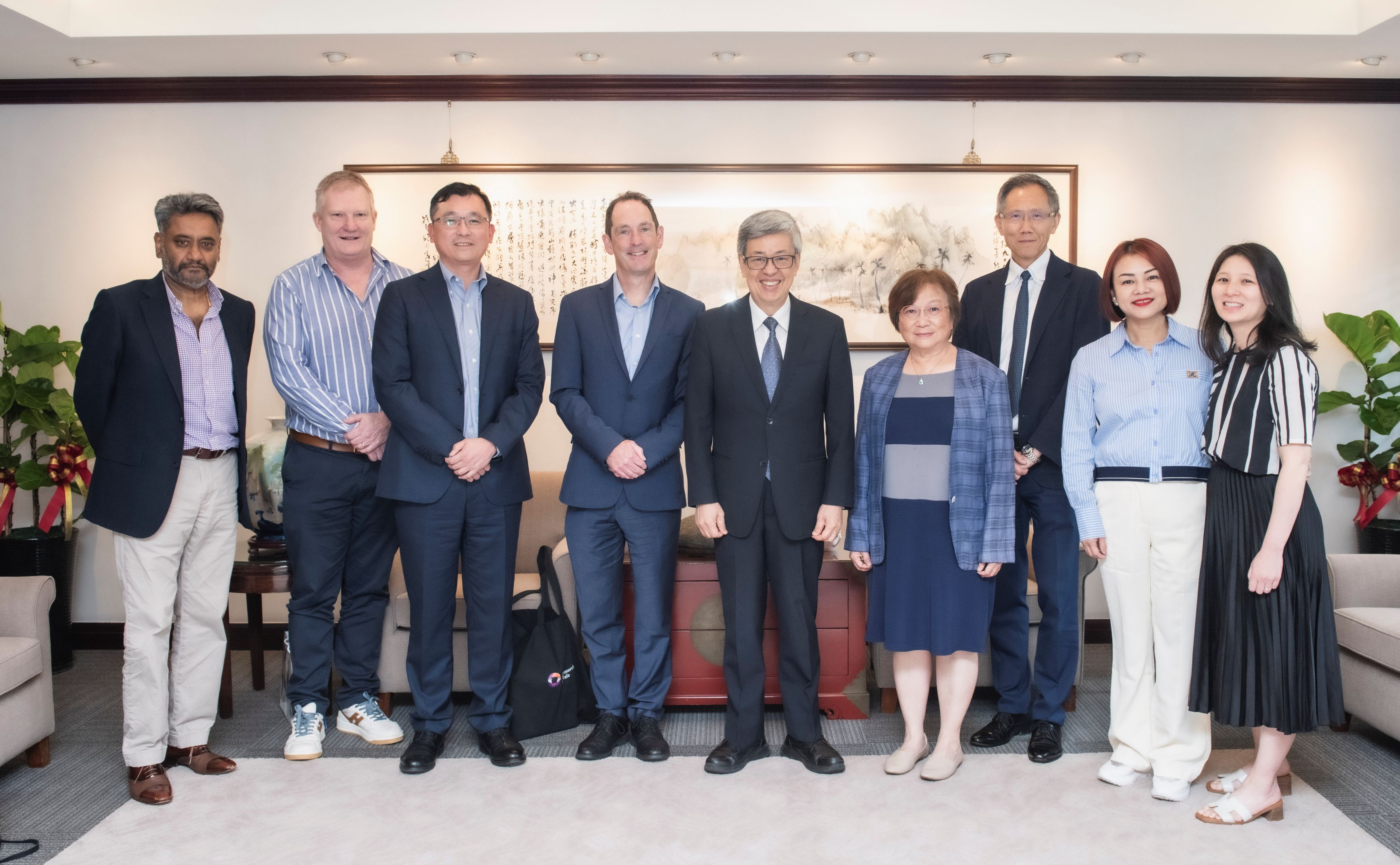 From third from the right: Tzu-Ching Meng, Director of the Department of International Affairs; Vice President Yi-Fang Tsay; Academia Sinica President Chien-Jen Chen; and Professor Keith Martin, Managing Director of the Centre for Eye Research Australia (CERA). Photo credit: Academia Sinica.

-
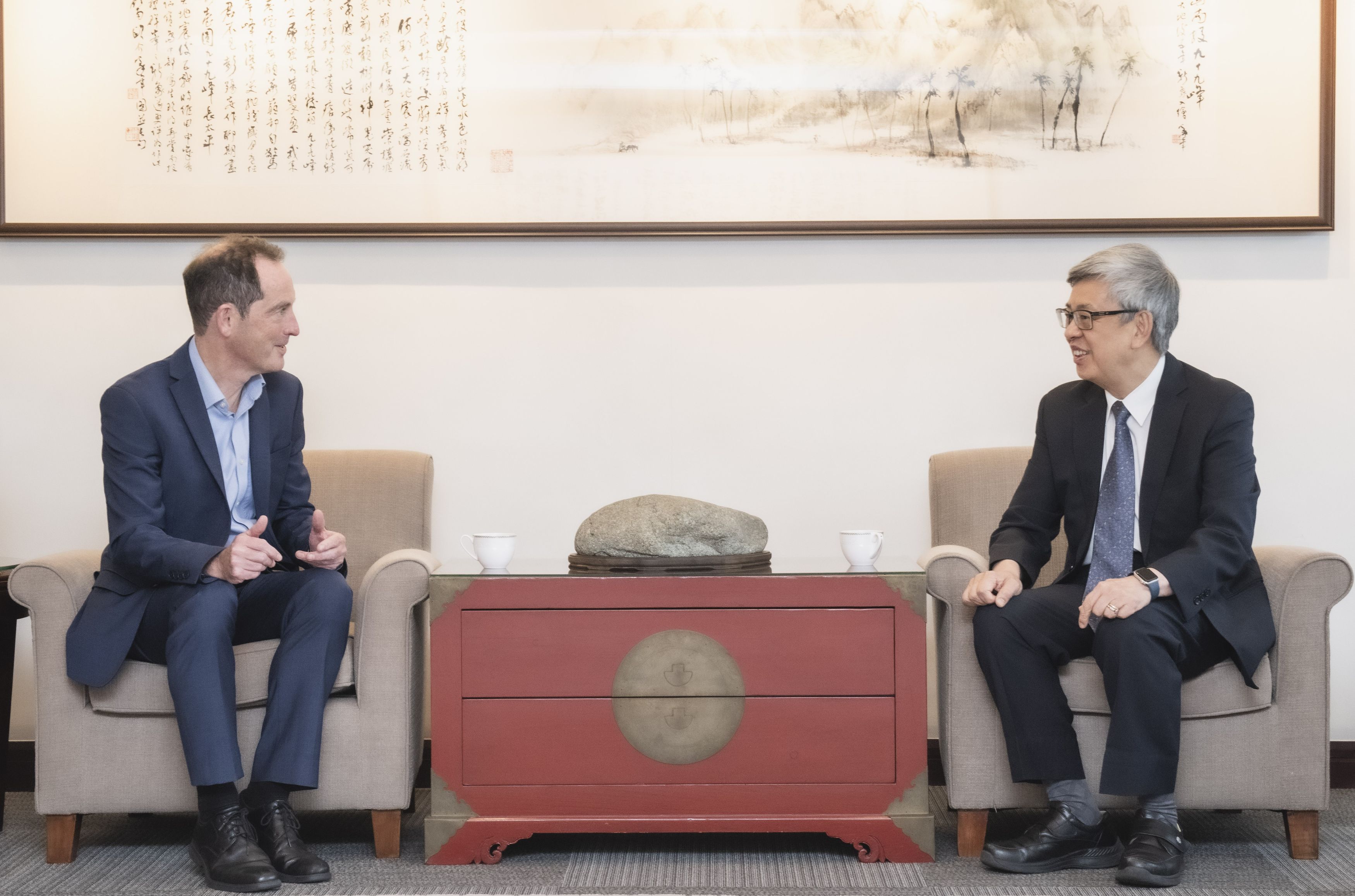 Academia Sinica President Chien-Jen Chen (right) exchanges views with Professor Keith Martin, Managing Director of the Centre for Eye Research Australia (CERA). Photo credit: Academia Sinica.
-
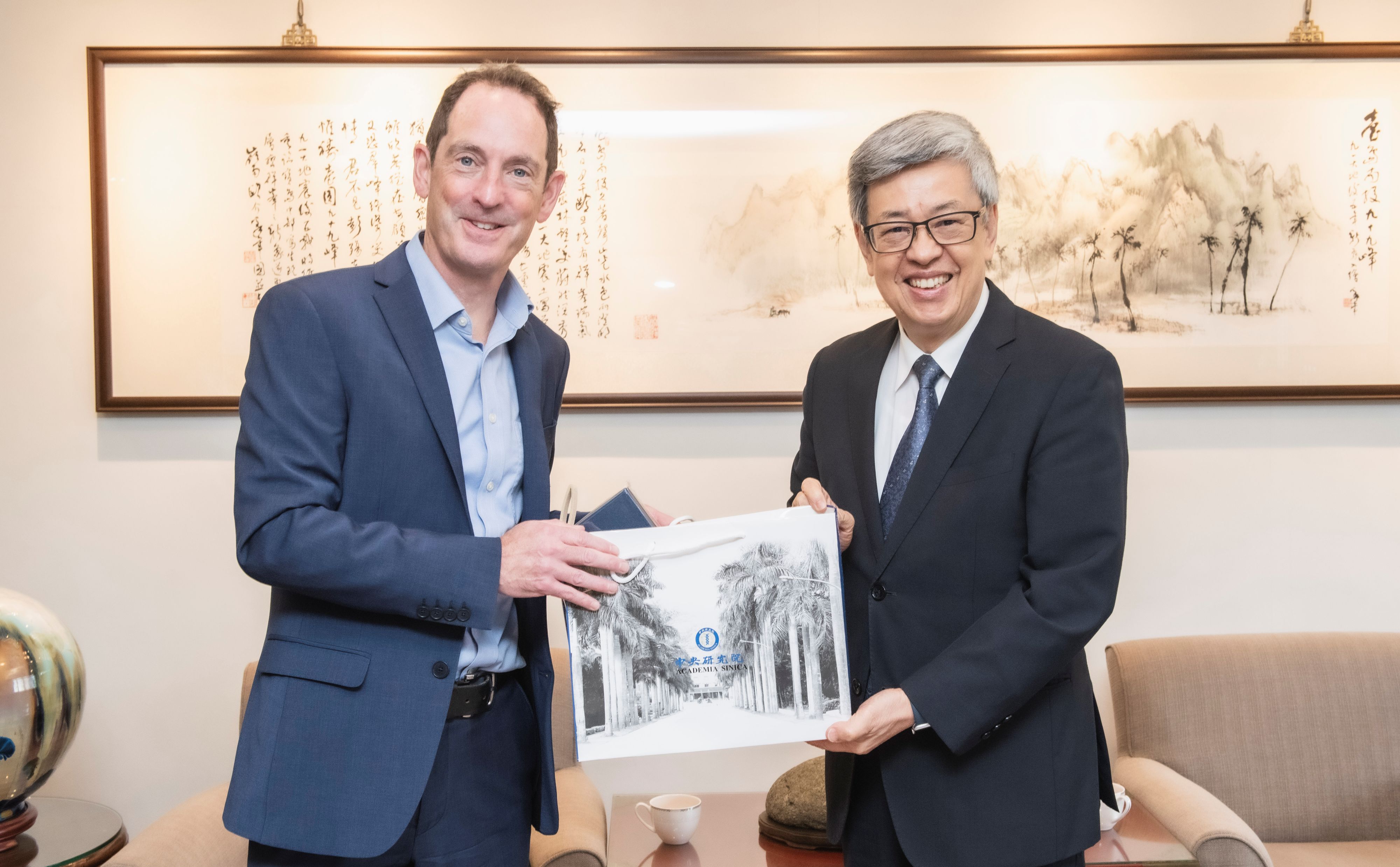 Academia Sinica President Chien-Jen Chen presents a commemorative gift to Professor Keith Martin, Managing Director of the Centre for Eye Research Australia (CERA). Photo credit: Academia Sinica.