

 Home
HomeDate: 2025-11-24
Can you imagine how a German female anthropologist, driven by passion and dedication to culture, traversed the mountains and coasts of Taiwan with a camera and a notebook in the 1950s, a time when information and transportation were extremely limited?
Academia Sinica’s Institute of Ethnology (IOE) opened the special exhibition “Professor de Beauclair’s Grand Tour of Taiwan” on November 24, 2025, centering on its first foreign female researcher, Inez de Beauclair. The exhibition presents her life journey, which was devoted entirely to cultural exploration.
Academia Sinica President James C. Liao stated in his opening address that the IOE is an internationally renowned center for anthropology and the study of Taiwan’s Austronesian peoples and Han Chinese society, and shoulders the responsibility for cultural preservation and public outreach. He noted that the exhibition showcases how anthropologists foster interaction and understanding among different community groups through fieldwork, historical documentation, and cross-cultural observation. IOE Director Yuh Huey Jou noted that the curatorial team began by sifting through the massive collection of photographs, artifacts, and manuscripts left by Professor de Beauclair. They meticulously traced her Grand Tour journey and scholarly accomplishments, and interviewed her colleagues and friends who had worked with her. This comprehensive work of authentication and integration was intricate and challenging. Director Jou particularly thanked the de Beauclair’s family for their generous donation of precious artifacts, which greatly enriched the exhibition content.
The opening event was warm and engaging. Professor de Beauclair’s grandchildren made a special trip to Taiwan and shared personal anecdotes about their grandmother from a family perspective, allowing the audience to see her unwavering devotion to her research.
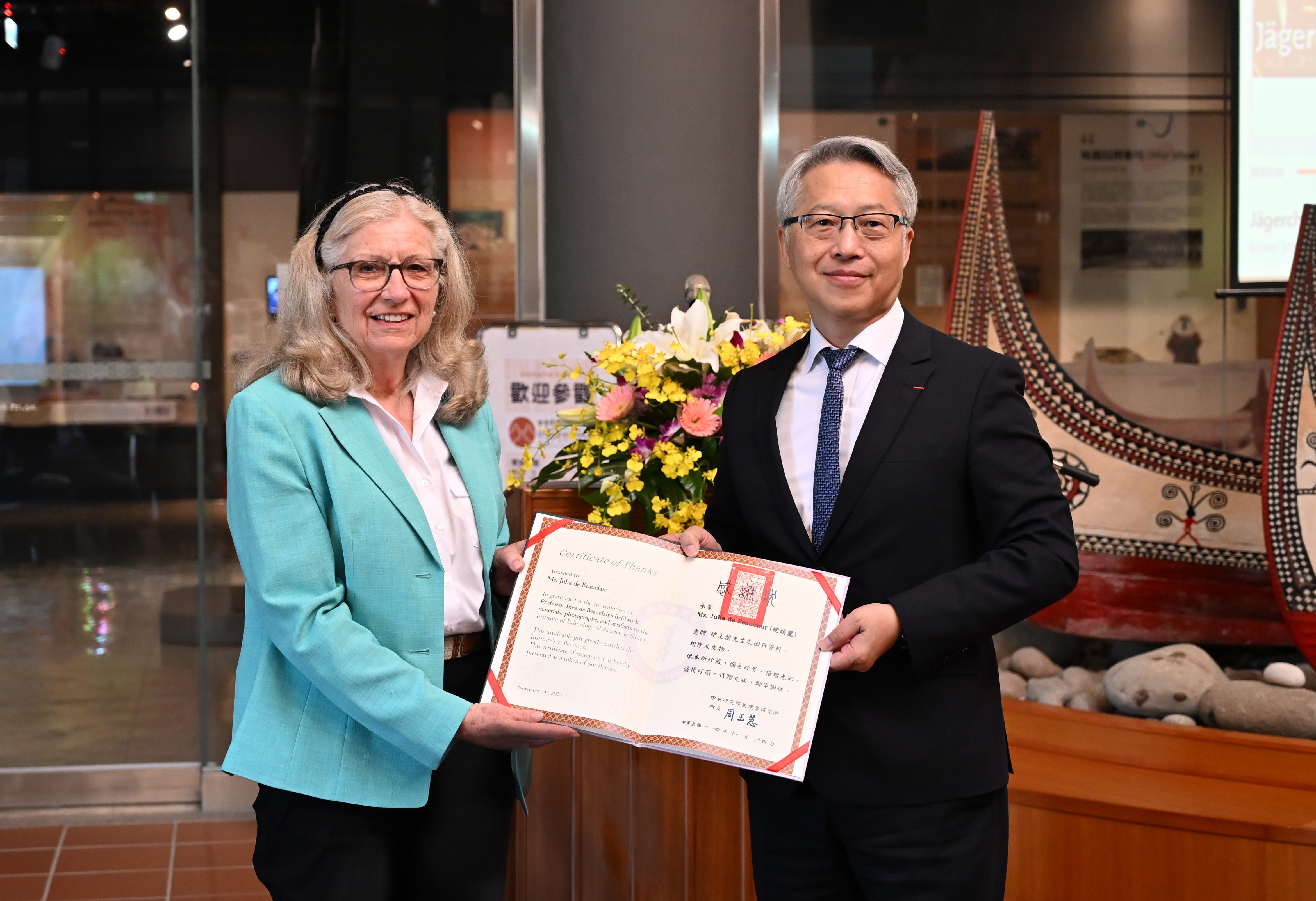
Her granddaughter, Julia de Beauclair, recalled that during her time studying at National Cheng Kung University 50 years ago, her grandmother took her to Donggang, Pingtung, to personally experience the traditional Burning of the King Boat. Even in her later years, she said that her grandmother remained deeply attached to the beauty of Taiwan’s people and culture. Despite her family urging her to return to Germany, she insisted on staying in Taiwan—the land where she had dedicated so many years to her research and had developed deep emotional ties. Harvey Molé, a former colleague at the IOE, also attended. He reminisced about sharing fieldwork with Professor de Beauclair in Tainan and temporarily living in a traditional mansion belonging to the prominent Liu family. He vividly recalled the focus, diligence, and resilience she displayed in her fieldwork during their time together.
AI Technology in Curating: Recreating the Life History of an Ethnographic Pioneer
Inez de Beauclair (1897–1981) was born in Germany. Due to wartime circumstances, she relocated from mainland China to Taiwan in 1954. She initially worked at the National Palace Museum before joining the IOE at the Academy. Responding to the IOE’s founding director Dr. Ling Shun-sheng’s call to “salvage ethnography,” she undertook multiple field surveys in areas such as Alishan, Tainan, and Taitung. She was also a significant pioneer in the Institute’s research on Lanyu. She carried out fieldwork across Guizhou, the Batanes Islands of the Philippines, and Oceania, leaving behind a wealth of invaluable records that laid the foundation for early ethnographic studies. Professor de Beauclair dedicated nearly the last three decades of her life to ethnographic and anthropological research in Taiwan, where she passed away in Taipei in 1981.
This exhibition, curated by Dr. Wen-Ling Lin, a Research Fellow at the IOE, is built on Professor de Beauclair's collected artifacts, photographs, field notes, personal letters, and official documents. It traces her research and unveils her crucial, yet often overlooked, multiple roles as a pioneer and mediator within the Institute. A major highlight of the exhibition is the integration of advanced technologies such as AI, 3D holographic projection, and voice synthesis. These technologies allow the static photographs and objects to seemingly “come to life” and enable Professor de Beauclair to “voice” her presence once again through contemporary means. The curatorial team transformed photographs from different periods into dynamic videos and utilized voice synthesis to simulate her reading of personal letters. This approach allows her life journey and research accomplishments to be powerfully recreated and presented in a novel way.
The exhibition is divided into five major sections:
“Professor de Beauclair’s Traces in the Field”
This section uses photographs and hand-drawn maps to chart her research routes across Taiwan, China, the Philippines, Micronesia, and other locations, showcasing her long-term and cross-regional research footprint.
“The Cultural Biography of Things”
This section displays artifacts she collected from multiple cultural spheres. Through the details of the objects and the context of their collection, it demonstrates her theoretical concern for comparative cultural perspectives.
“Transcultural Encounters in the Fields”
Through her insightful photography, this section recreates fieldwork scenes from six or seven decades ago, encompassing everything from daily life to ritual activities and interpersonal exchanges of indigenous communities.
“Subtle Voices: Documents and Letters in Action”
Exploring Professor de Beauclair’s personal documents and early IOE archives, this section presents her thoughts, discussions, and actions to shed light on her approach to research. It also reveals her critical role in the IOE’s academic network and development.
“In the Sunny Southern Taiwan”
This section focuses on her sustained research on the Siraya communities in Tainan, which she continued after retirement. It utilizes images and notes to illustrate her meticulous dedication to the culture of Taiwan.
This special exhibition is scheduled to run for a year and a half. We warmly invite the public to visit and learn about this remarkable anthropologist who devoted her life to cultural exploration. During the exhibition period, a limited edition of commemorative postcards designed by Professor de Beauclair’s granddaughter will be distributed, adding a personal touch to the event.
【Exhibition Information】
Exhibition Curator: Dr. Wen-Ling Lin(IOE Research Fellow)
Exhibition Period: November 24, 2025 through May 24, 2027
Exhibition Hours: Wednesdays, Fridays, and Saturdays, 9:30 AM – 4:30 PM
Guided Tour Reservations & Visitor Contact: Ms. Chen, 02-2652-3382, mioepj@gate.sinica.edu.tw
Exhibition Location: Museum of the Institute of Ethnology, Academia Sinica (No. 128, Sec. 2, Academia Rd., Nangang Dist., Taipei City)
-
Ms. Po Jung Chen, Learning&Engagement, Museum of The Institute of Ethnology
(02) 2652-3382,mioepj@gate.sinica.edu.tw
-
Ms. Yi-ling Lee, Media & Public Affairs, Secretariat, Academia Sinica
(02) 2787-2717,cvcc54@as.edu.tw
-
Ms. Steffi Tung Lin, Media & Public Affairs, Secretariat, Academia Sinica
(02) 2789-8820,tunglin@as.edu.tw
-
 Research Fellow Dr. Wen-Ling Lin giving a guided tour to President James C. Liao (center) and Vice President Shin-Kun Peng (left). Photo credit: Academia Sinica.

-
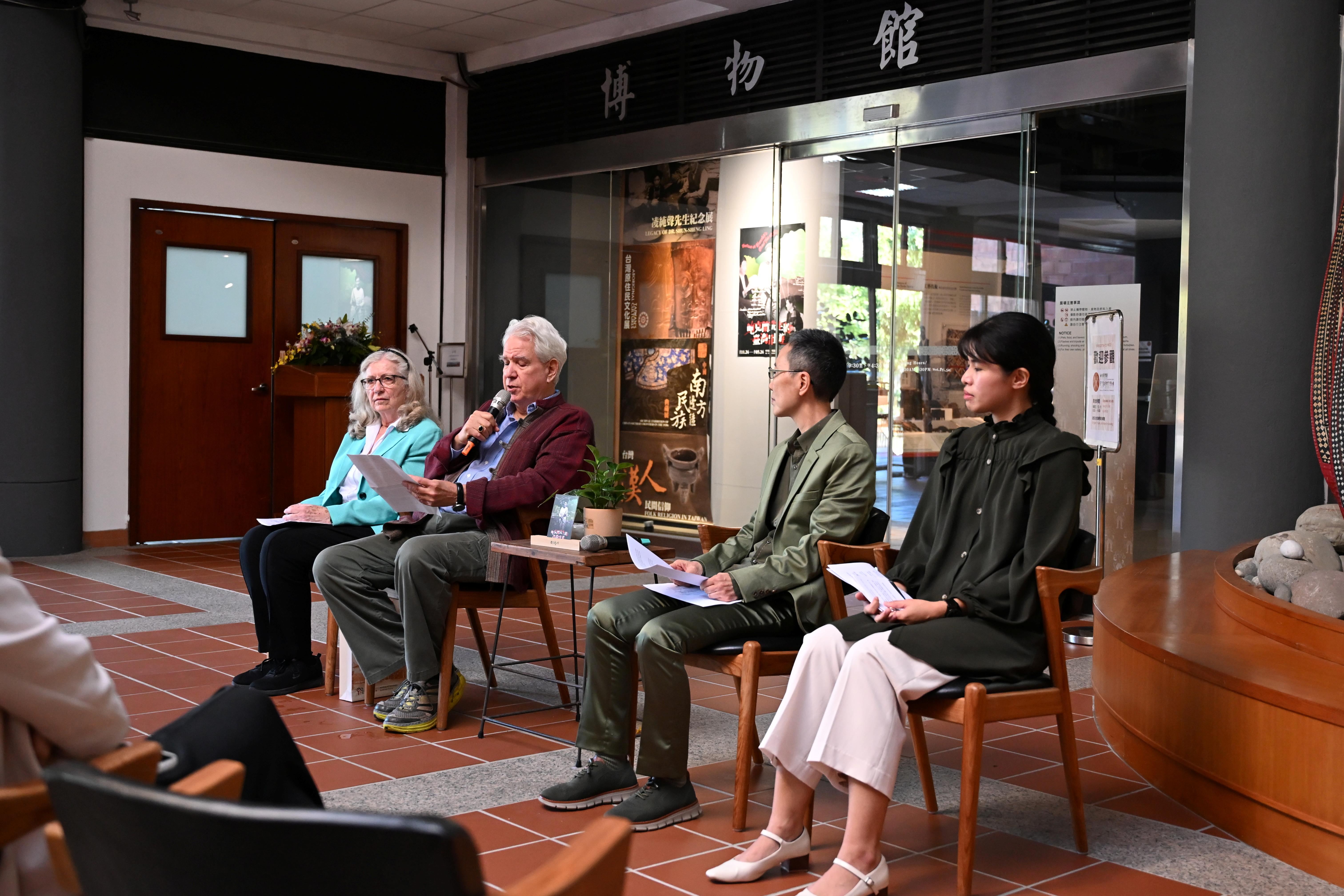 From left to right: Julia de Beauclair, granddaughter of Ms. Inez de Beauclair; Harvey Molé; Dr. Wen-Ling Lin, curator and Research Fellow at the Institute of Ethnology; and research assistant of the Institute of Ethnology, discussing the origins of the exhibition, their memories of Ms. de Beauclair, and her impact on the field of anthropology in Taiwan. Photo credit: Academia Sinica.
-
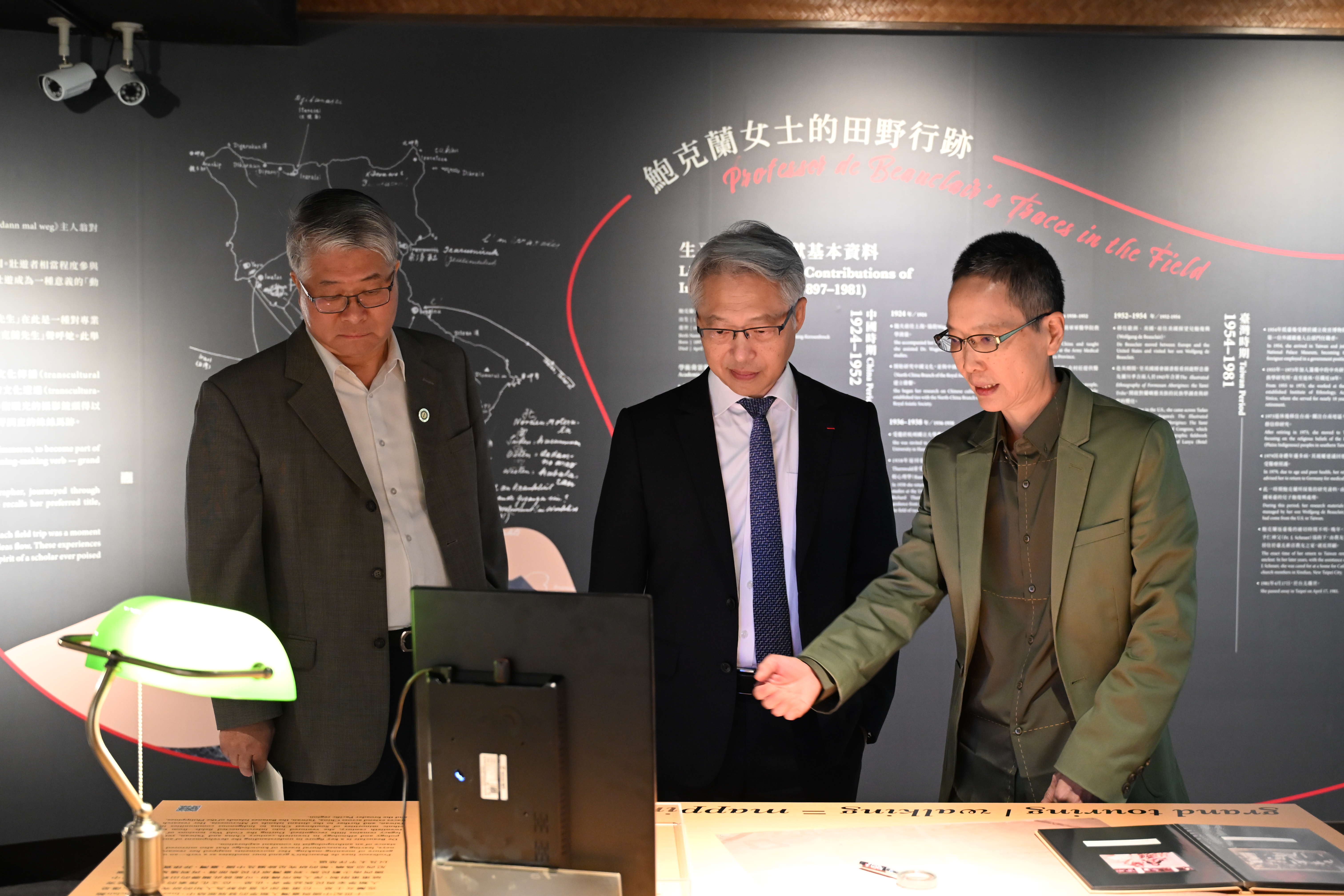 Research Fellow Dr. Wen-Ling Lin giving a guided tour to President James C. Liao (center) and Vice President Shin-Kun Peng (left). Photo credit: Academia Sinica.
-
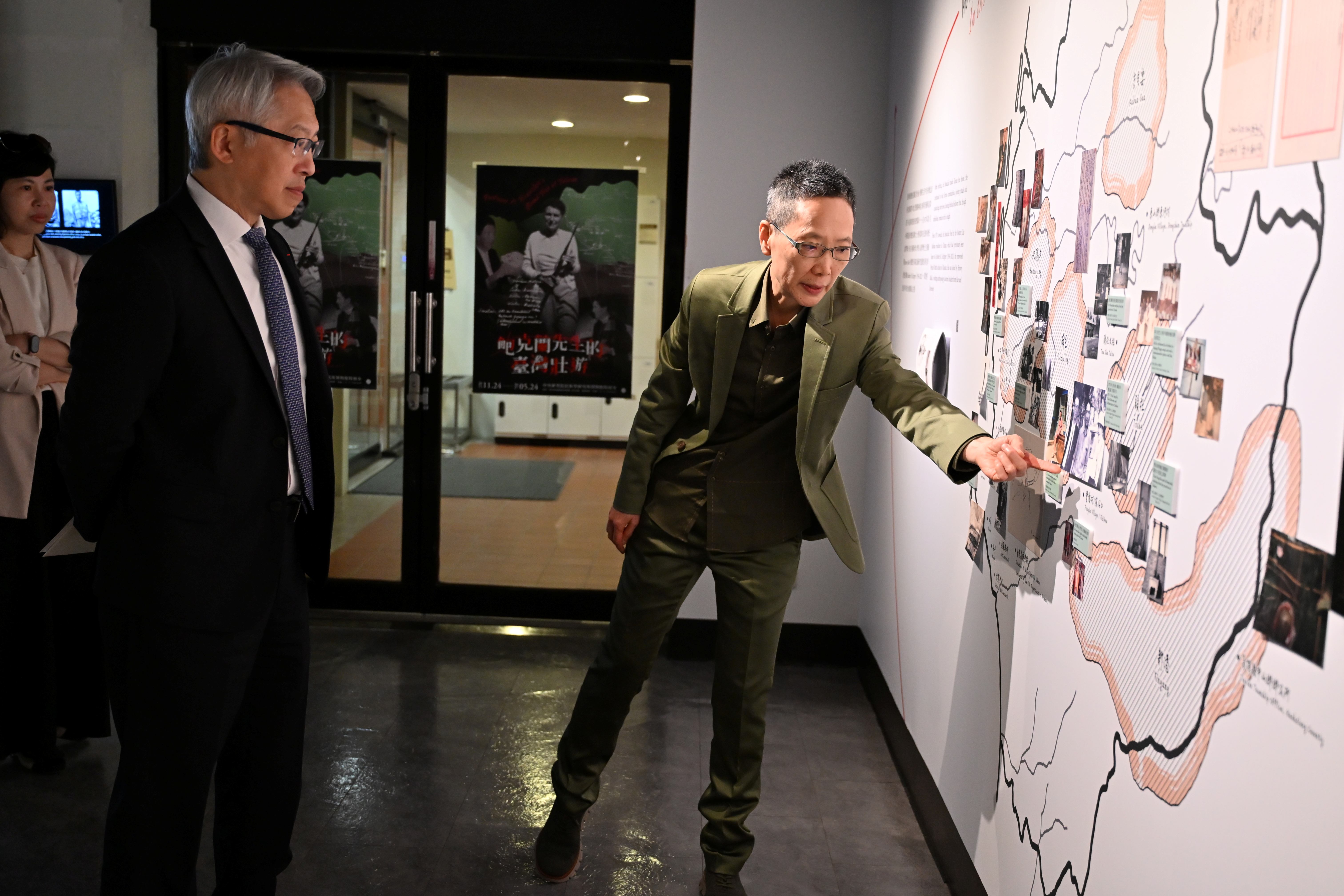 Guided introduction by Research Fellow Dr. Wen-Ling Lin. Photo credit: Academia Sinica.
-
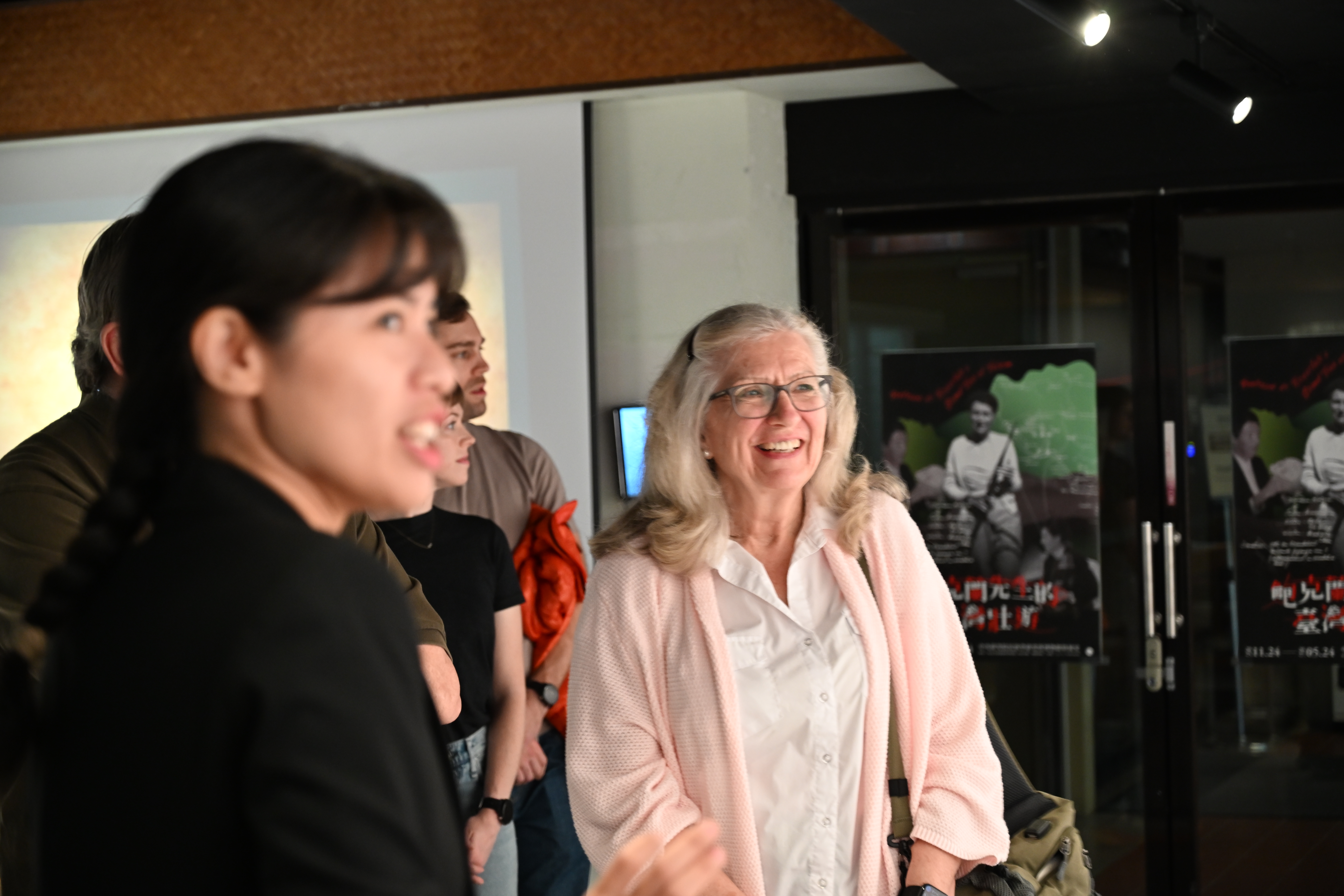 Julia de Beauclair, granddaughter of Ms. Inez de Beauclair, visiting the exhibition. Photo credit: Academia Sinica.
-
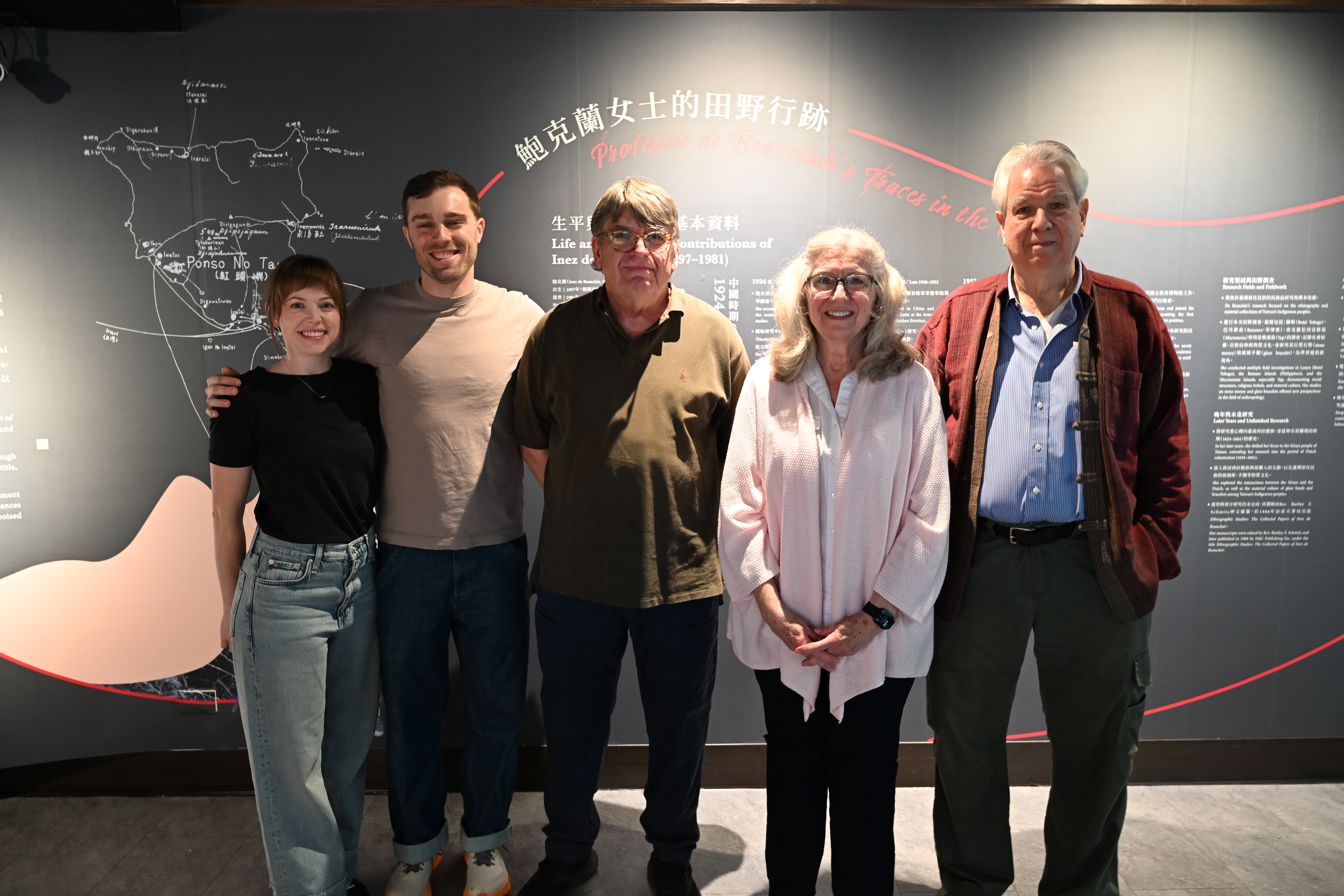 Friends and family of Ms. Inez de Beauclair, attending the opening ceremony, are shown from right to left: Harvey Molé, Julia de Beauclair (granddaughter), Walter de Beauclair (grandson), Carl de Beauclair (great-grandson), and Katherine de Beauclair (great-granddaughter-in-law).Photo credit: Academia Sinica.
-
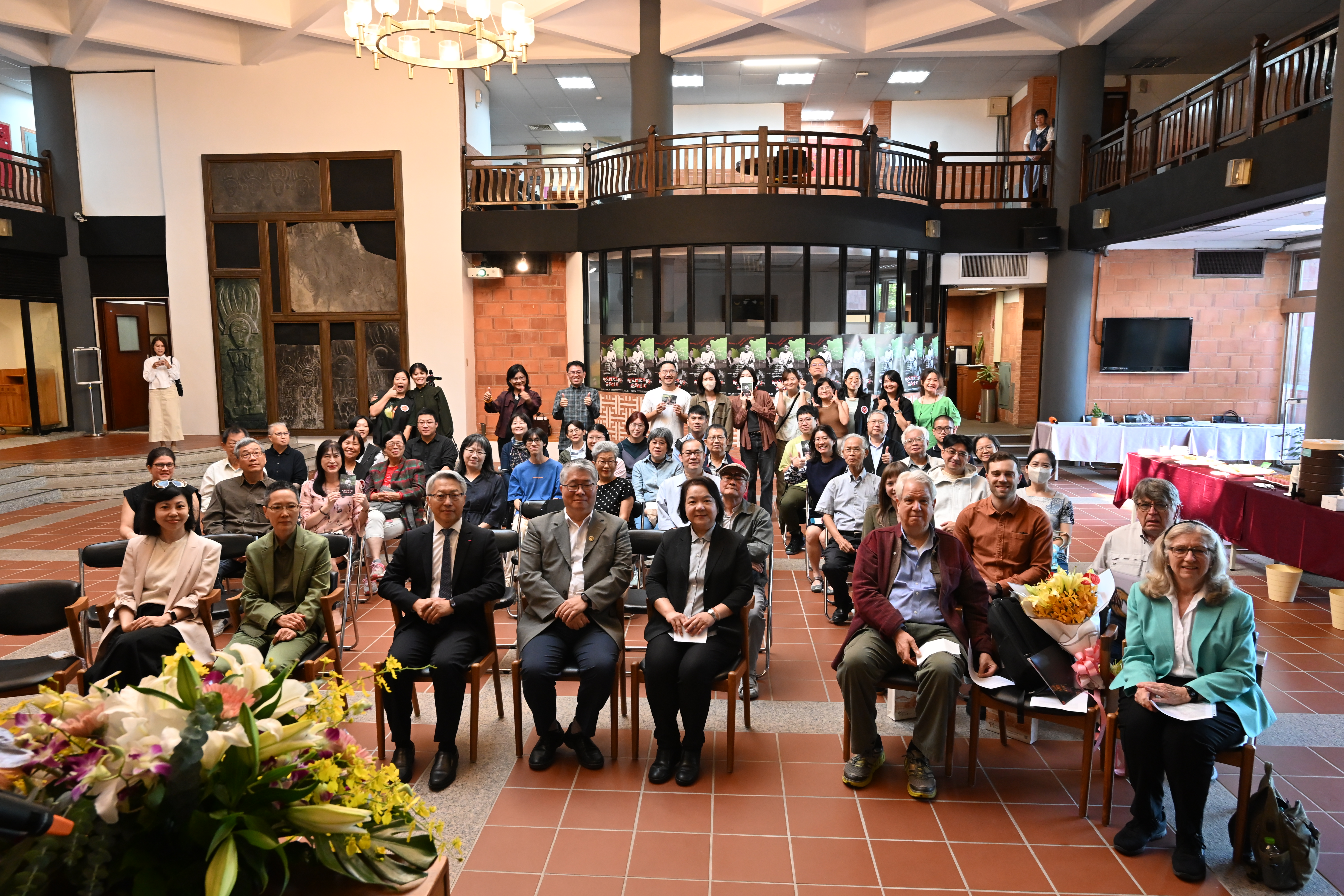 Group photo of guests at the exhibition. Photo credit: Academia Sinica.
-
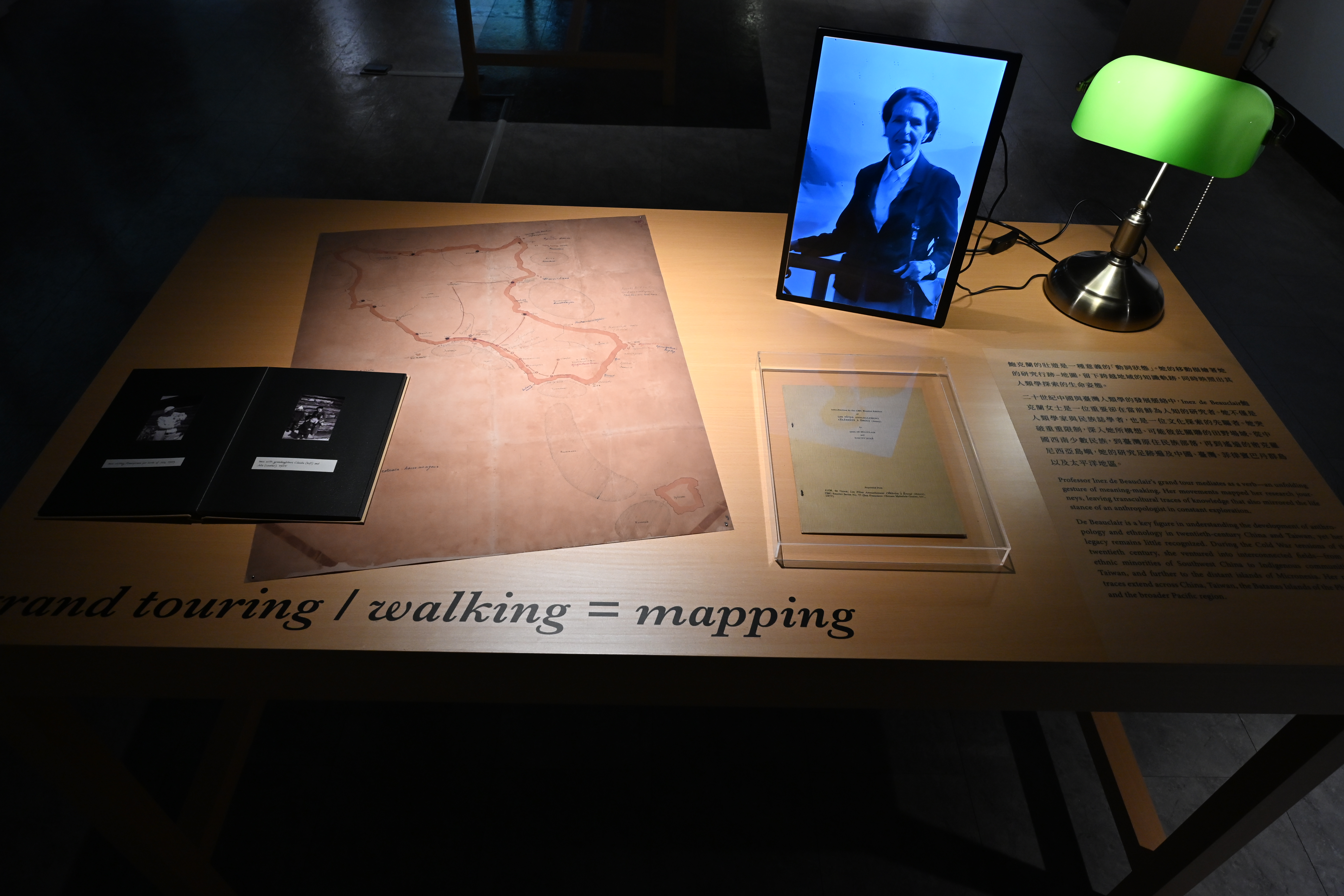 A video created using AI technology, depicting the life journey of Ms. Inez de Beauclair. Photo credit: Academia Sinica.
-
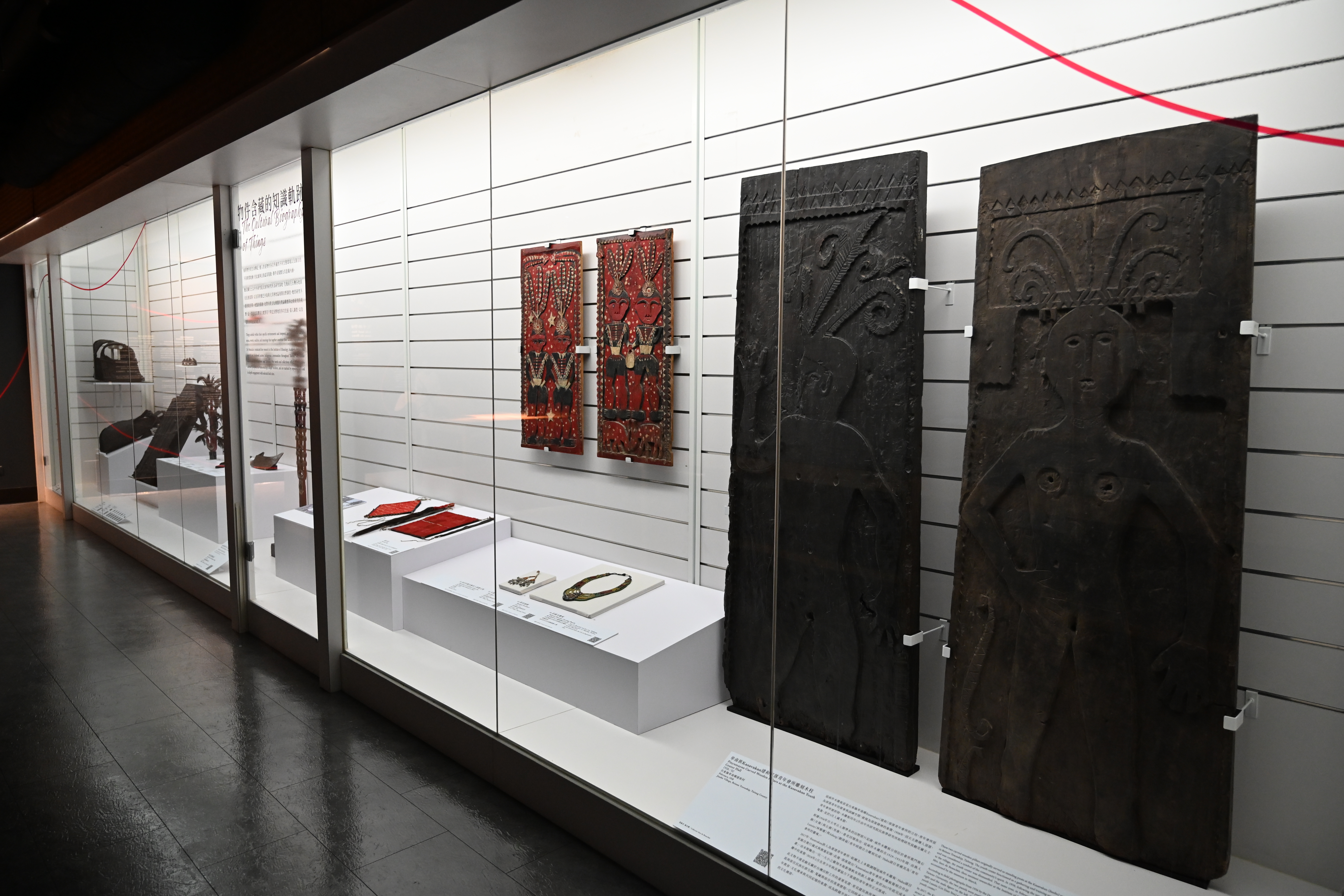 The red Paiwan wooden carving in the center was jointly donated by Ms. de Beauclair’s grandchildren. Photo credit: Academia Sinica.
-
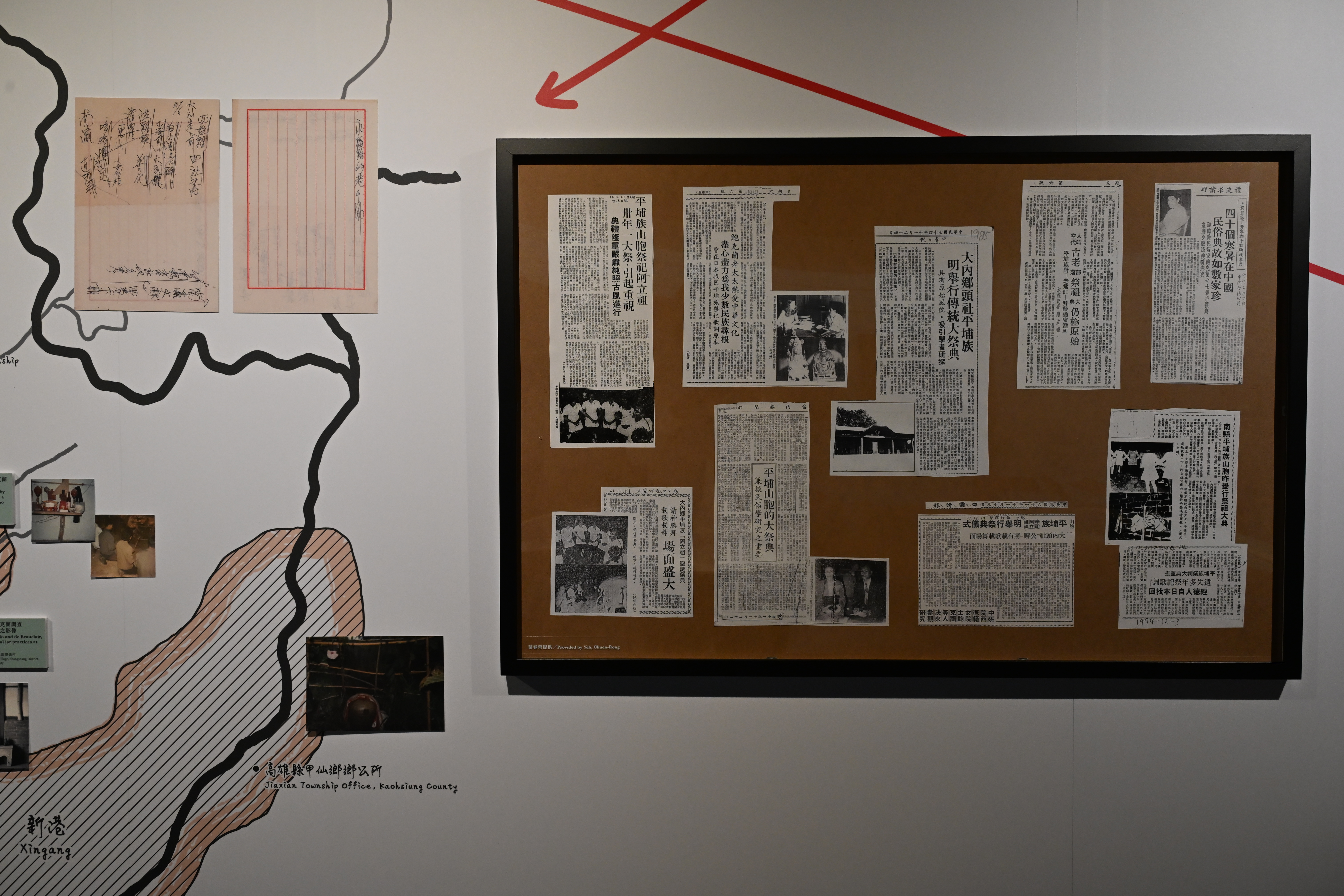 The exhibits include news articles, letters, manuscripts, and more. Photo credit: Academia Sinica.
-
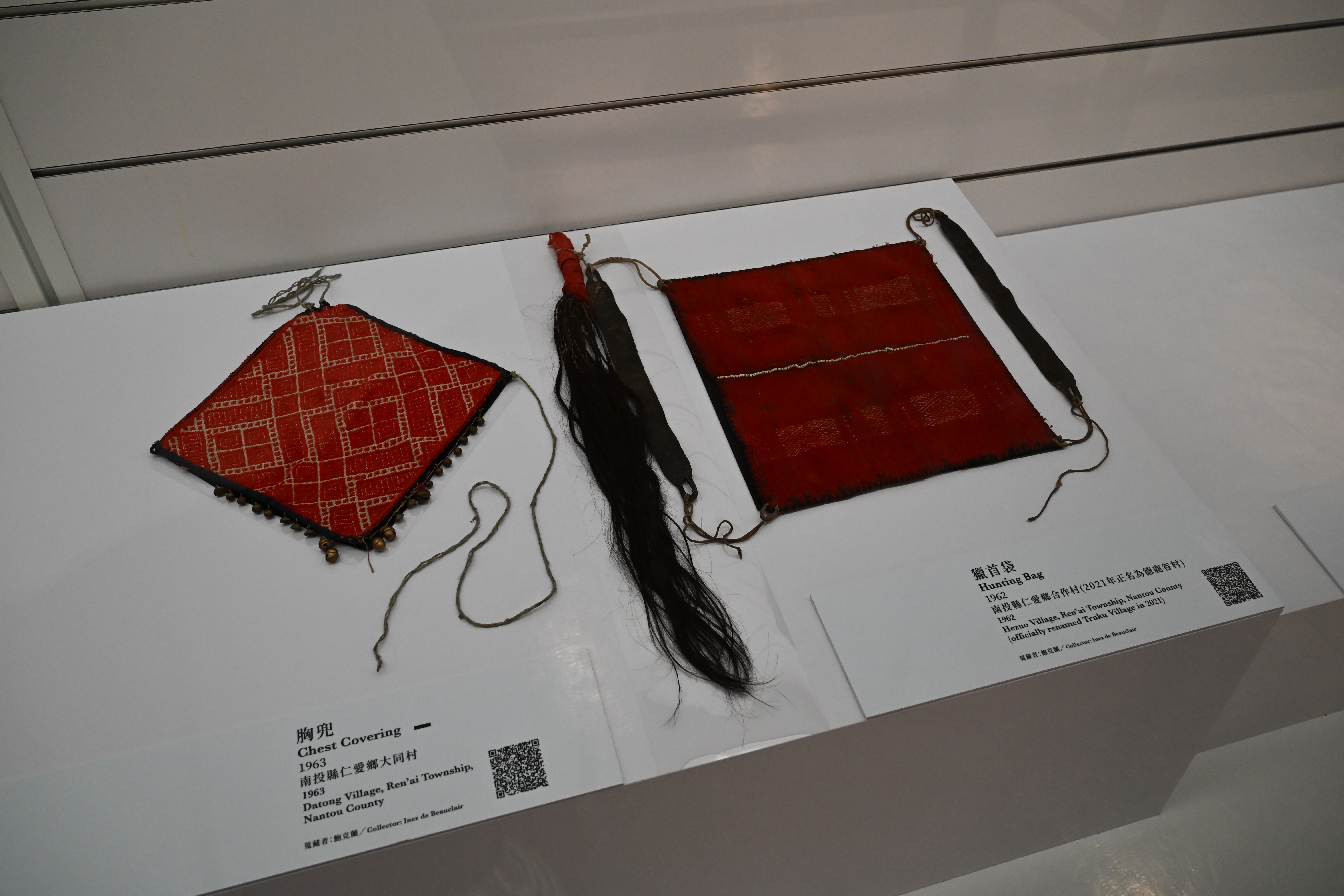 Indigenous artifacts collected by Ms. Inez de Beauclair. Photo credit: Academia Sinica.