






 Home
HomeDate: 2026-09-01
Plants reinforce their cell walls as a first line of defense against invading pathogens. A key part of this defense involved Pectin Methylesterase (PME) Inhibitors (PMEIs), which maintain a strong, degradation-resistant cell wall. Research on the corn smut fungus (Ustilago maydis) by Dr. Lay-Sun Ma's team at the Institute of Plant and Microbial Biology reveals a sophisticated strategy used by the fungus to overcome this defense. The fungus secretes the effector protein Nge1, which targets specific PMEIs (PMEI45 and PMEI46) and suppresses their ability to inhibits PMEs. The reactivated PMEs then demethylesterify pectin, making the cell wall more susceptible to degradation and paving the way for fungal entry. The secret of this strategy is N-glycosylation, a post-translational modification that attaches specific sugar chains to Nge1. These glycan modifications are essential for Nge1 to specifically interact with the evolved PMEI45, allowing the effector to neutralize PMEI-mediated defenses. Remarkably, engineering N-glycosylation sites into a naturally non-glycosylated Nge1 ortholog enabled it to neutralize host PMEIs and restore virulence in an U. maydis Δnge1 deletion mutant. This research reveals that post-translational sugar modifications act as adaptation drivers, fine-tuning effector specificity and shaping the co-evolutionary arms race between crops and their fungal pathogens.
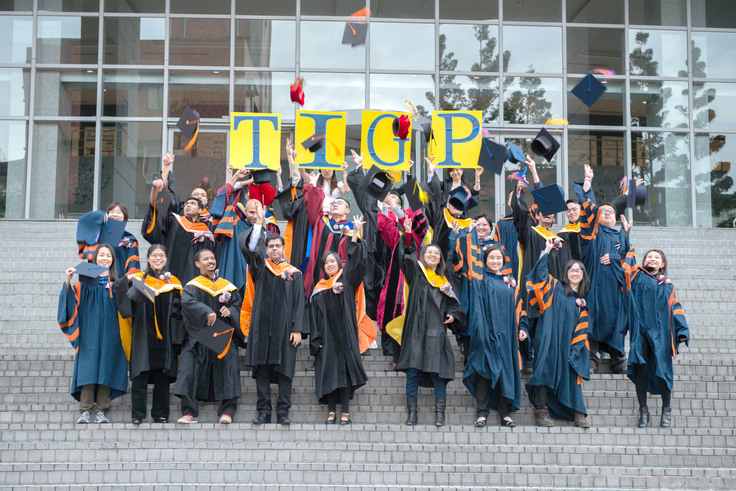
The research was supported by Academia Sinica and NSTC. The first author, Dr. Chibbhi Bhaskar, is a graduate of the TIGP-MBAS International Program. This study was led by Dr. Lay-Sun Ma (IPMB), in collaboration with Dr. Ooi-Kock Teh (IPMB). The findings were published on August 10, 2026, in the international journal The Plant Cell.
-
Link