

 Home
HomeDate: 2026-04-20
To respond to the accelerating global net-zero transition and promote the development of clean energy technologies in Taiwan, Academia Sinica launched the “Net-Zero Technology Program,” focusing on key areas such as hydrogen from methane pyrolysis, advanced solar photovoltaics, ocean energy, geothermal energy, and biomass carbon sinks. The program aims to translate research outcomes into practical industrial applications.
The “Business Plan Competition for Taiwan’s Net-Zero Technology” was initiated following President James C. Liao’s visit to Stanford University, where he shared Taiwan’s vision for achieving net-zero emissions by 2050. The competition brings together Stanford students’ strengths in entrepreneurship and interdisciplinary collaboration with Academia Sinica’s research capabilities to explore new models for technology commercialization.
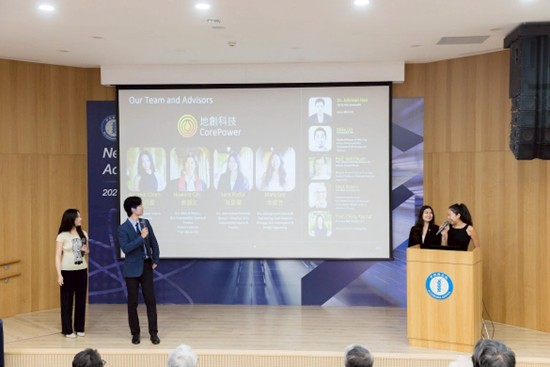
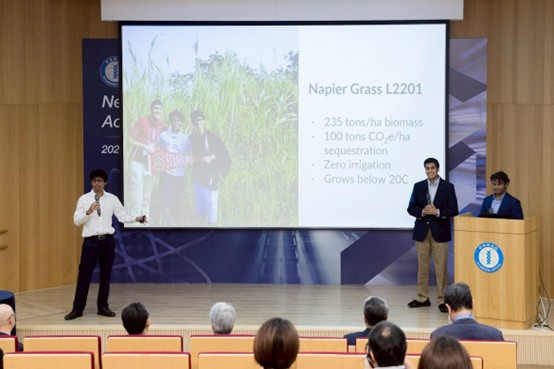
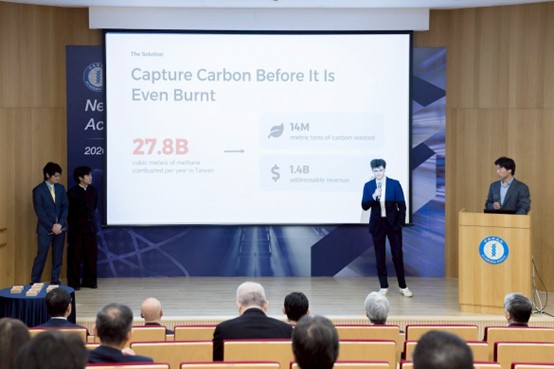
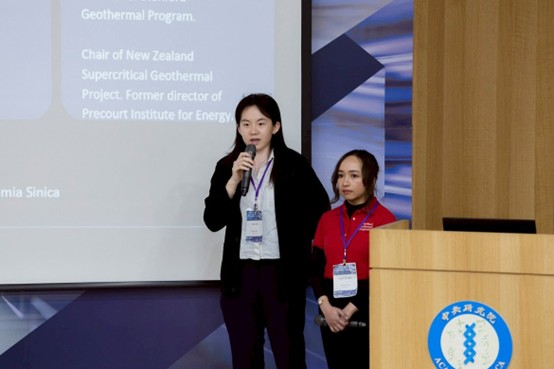
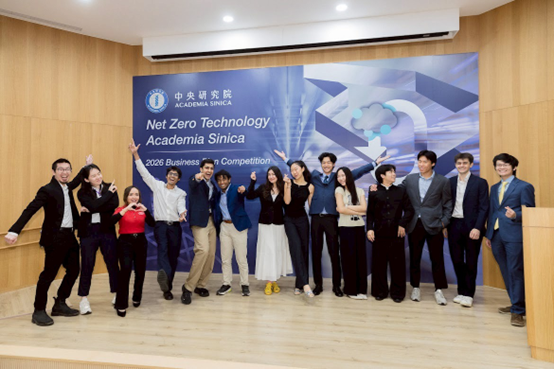
The competition attracted 12 teams, with four finalist teams working on geothermal energy, hydrogen and carbon materials, and biomass-based carbon capture. Selected participants were invited to Taiwan for a week-long program including training sessions, research exchange, site visits, and the final competition.
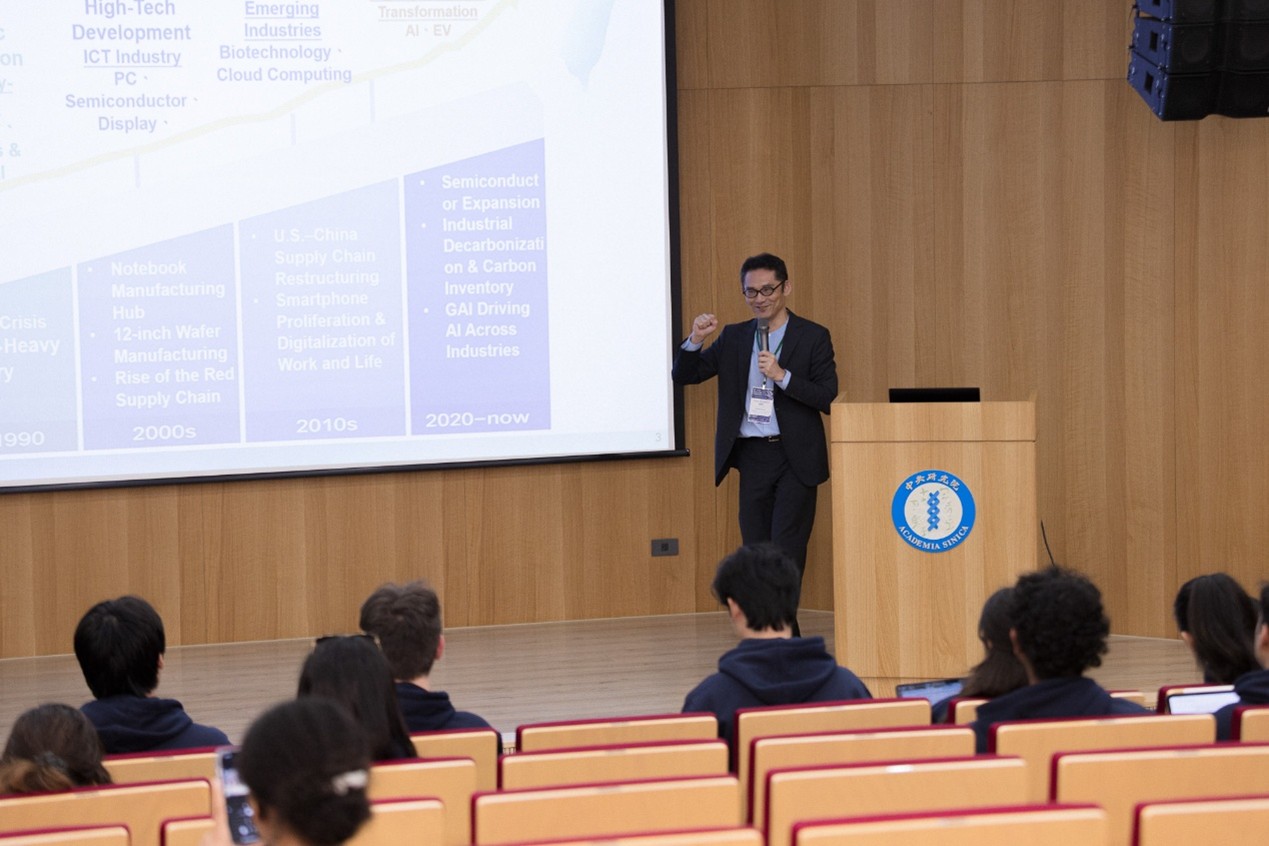
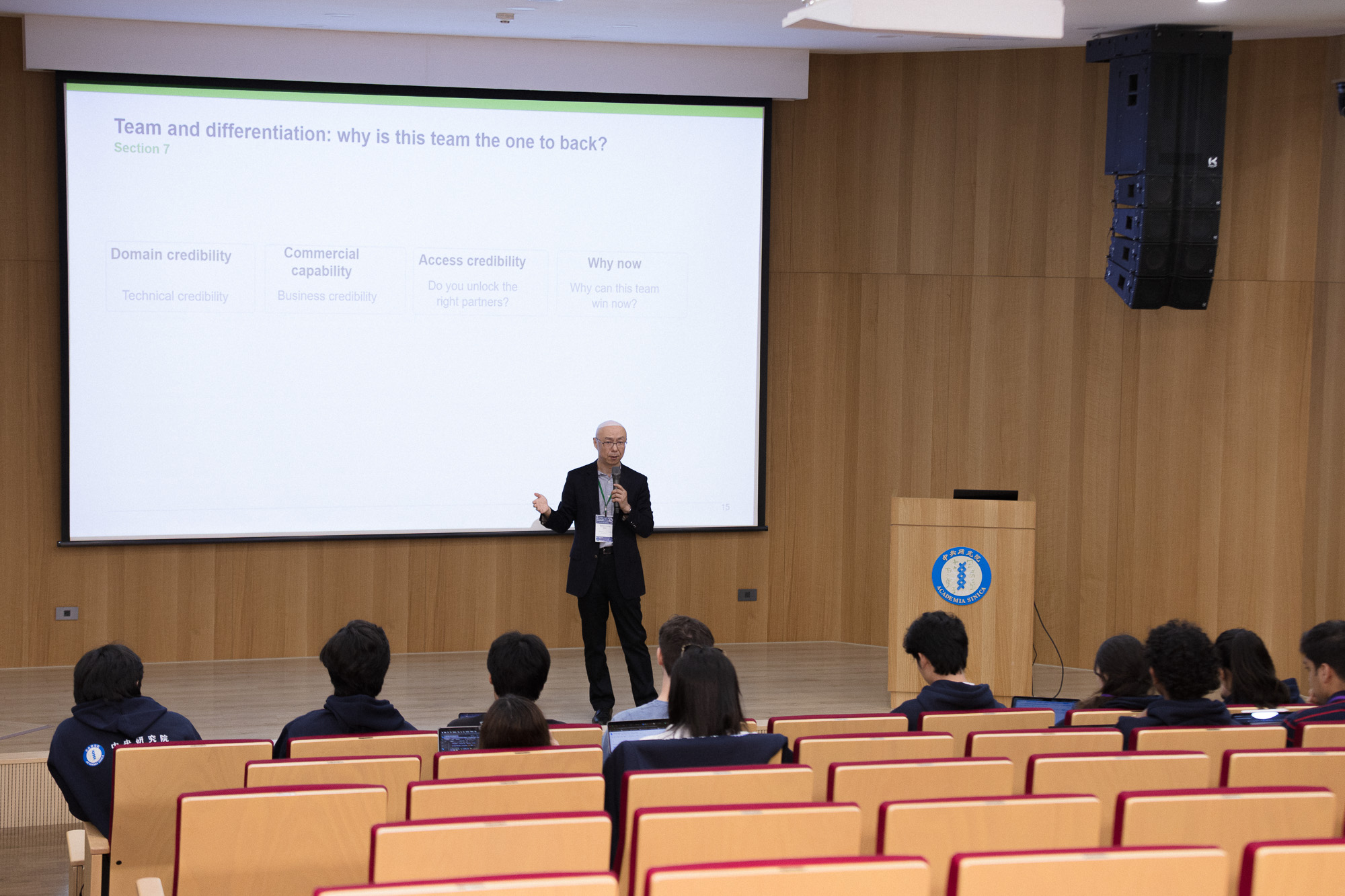
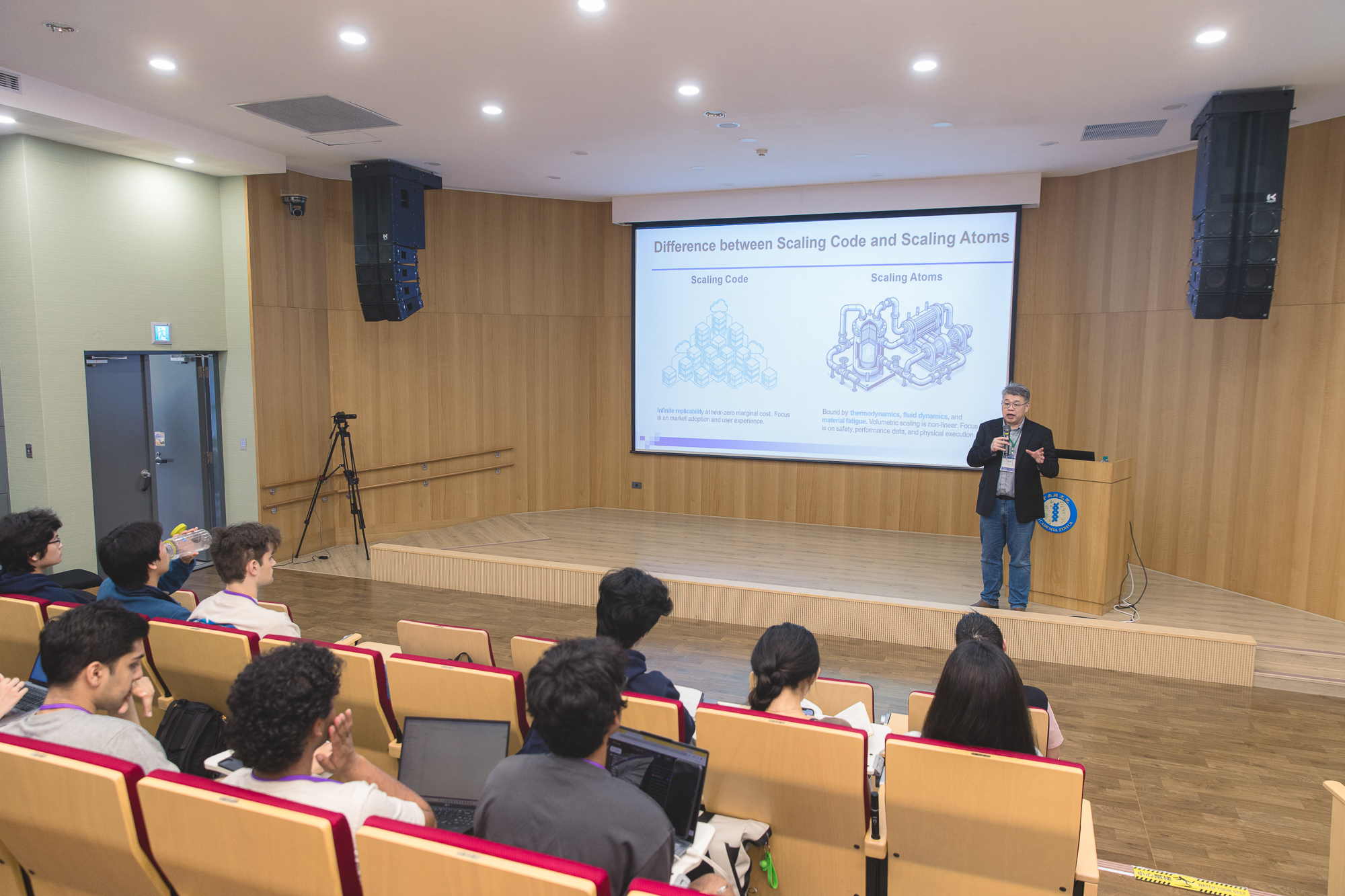
Training sessions covered Taiwan’s dual transformation strategy in digitalization and net-zero development, as well as business planning and fundraising for energy startups. Participants also engaged closely with Academia Sinica researchers to better understand the scientific foundations and application potential of various net-zero technologies.
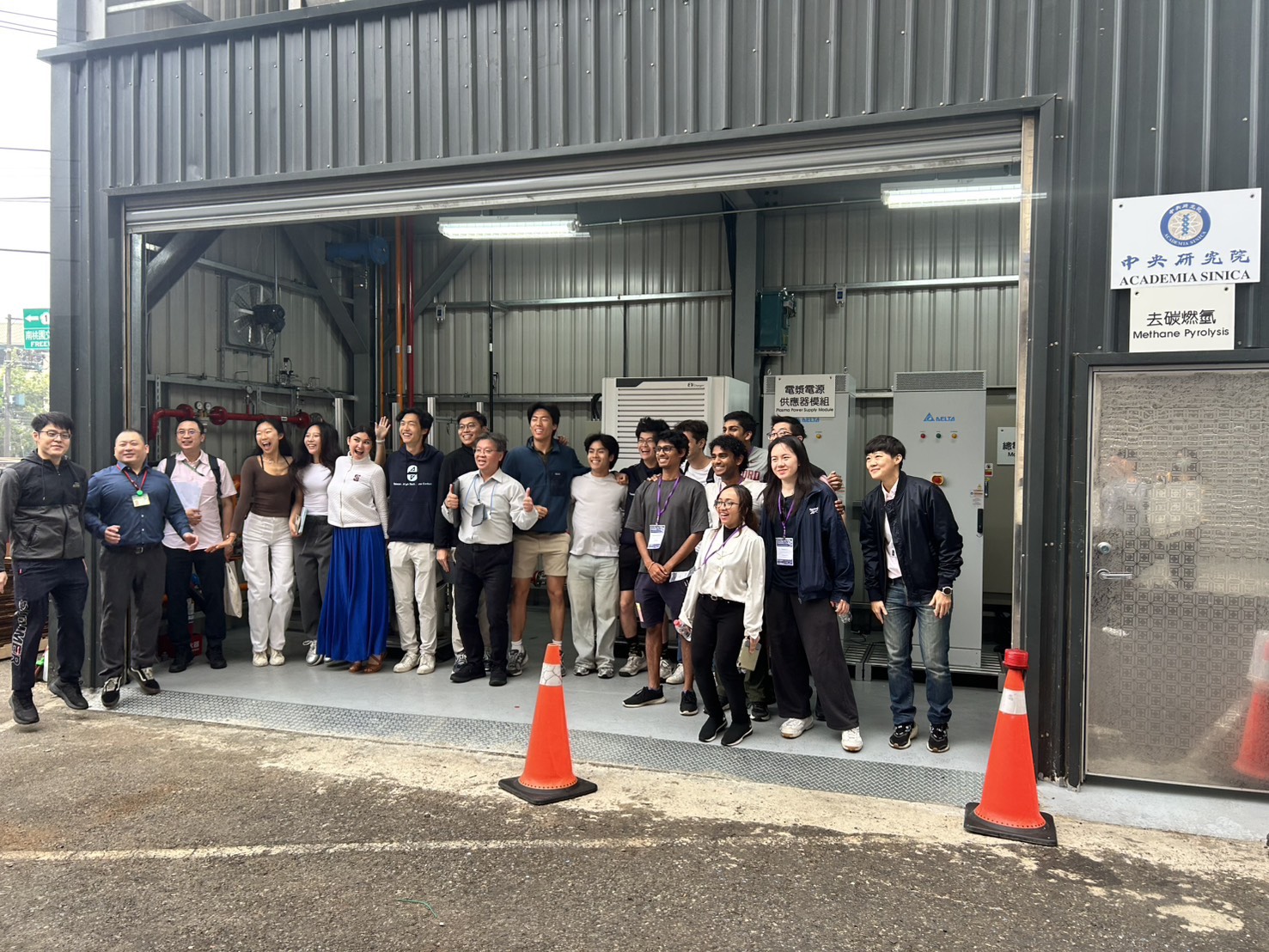
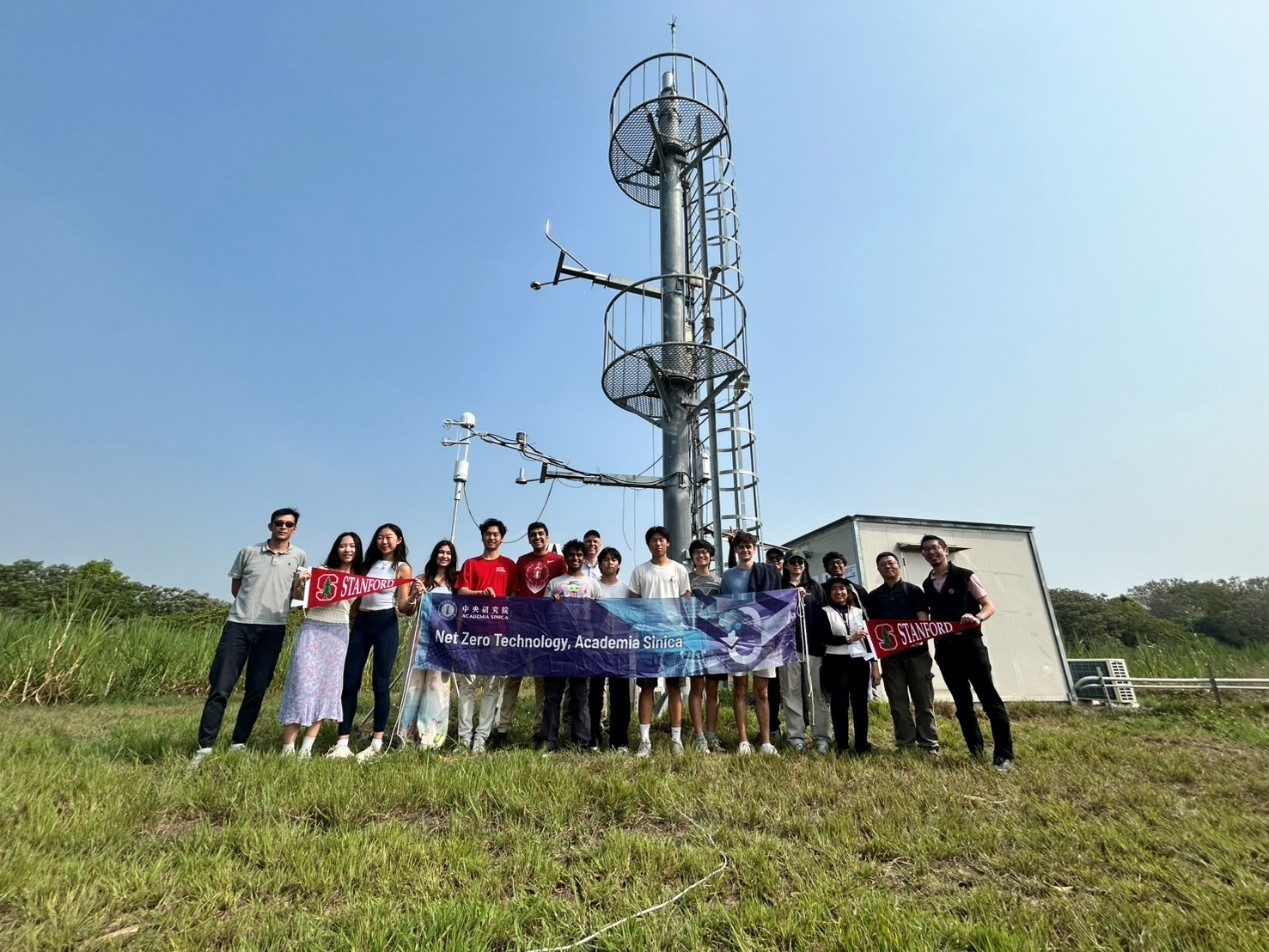
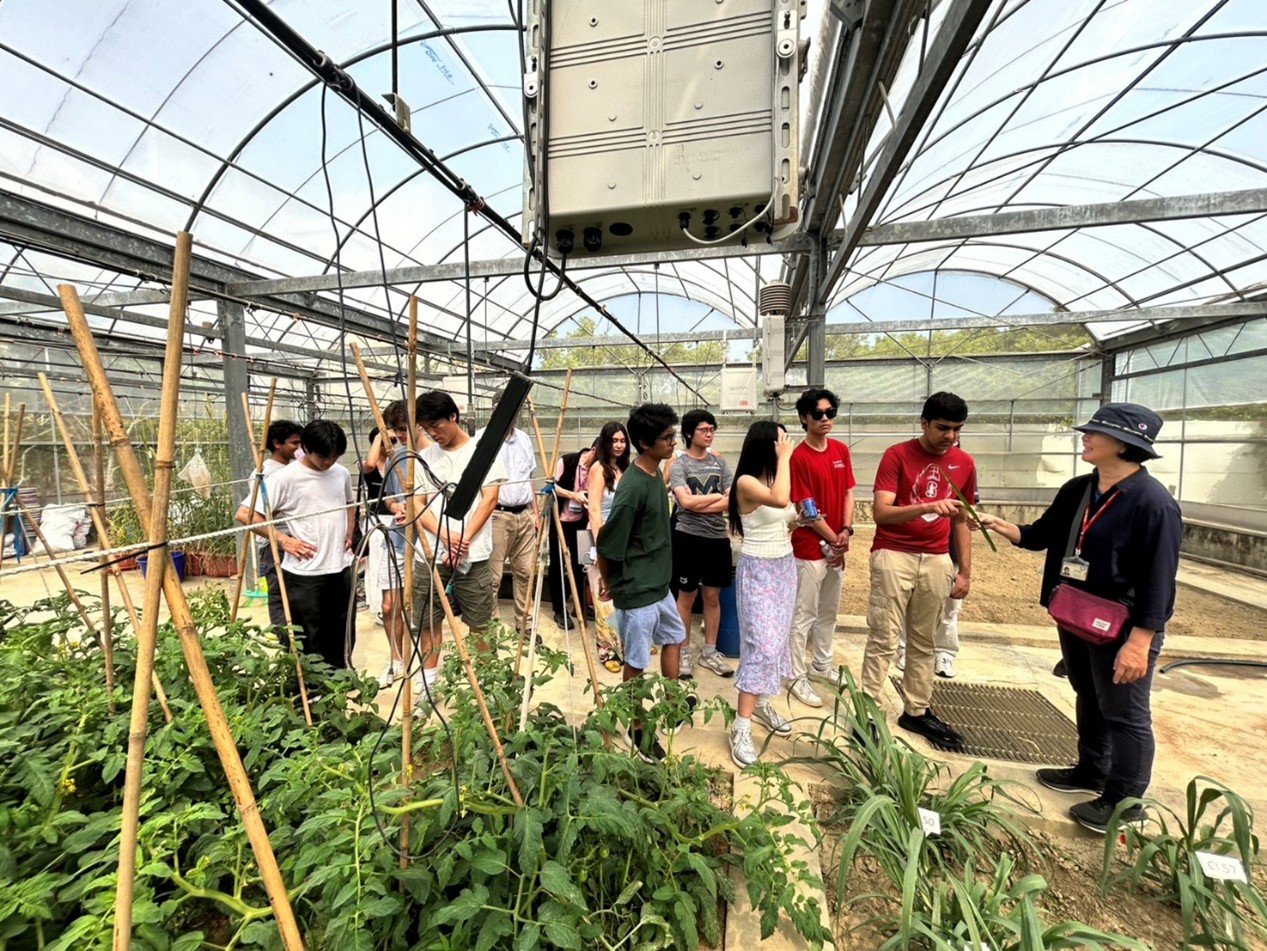
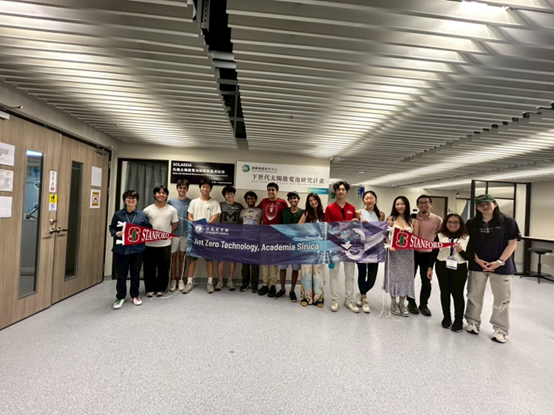
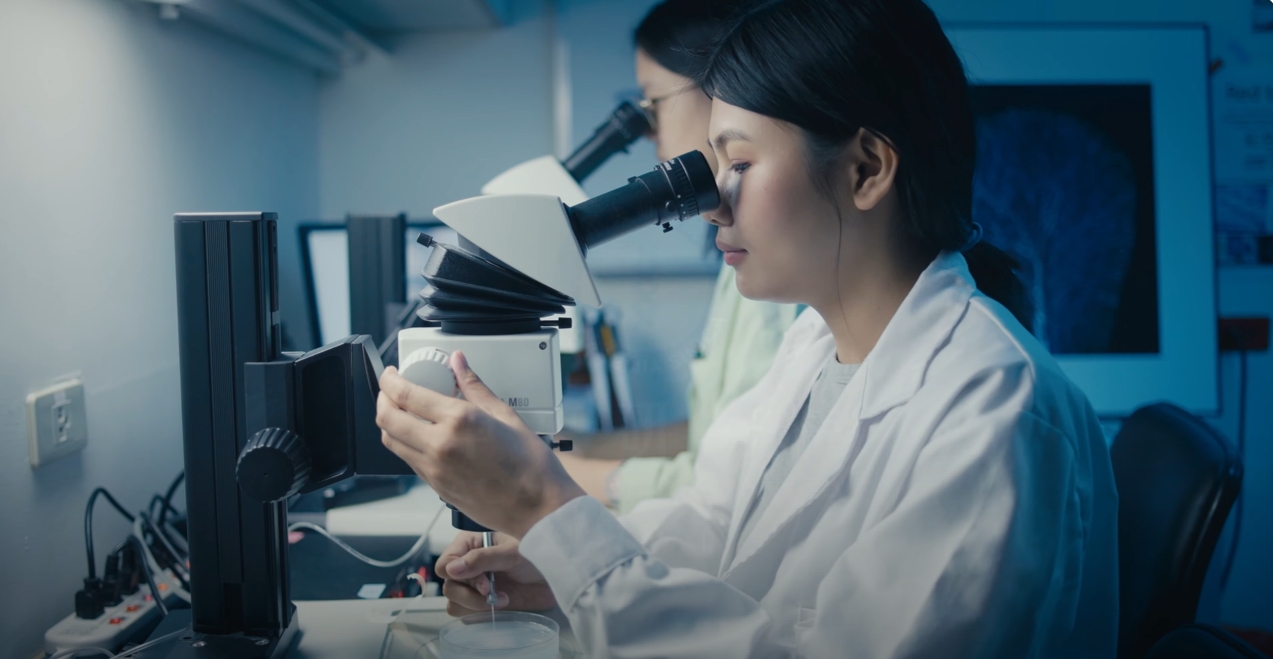
Through visits to research facilities, participants gained first-hand insights into key technologies, including methane pyrolysis for hydrogen production, biomass carbon capture using Napier grass, geothermal exploration, ocean energy systems, and next-generation solar photovoltaic technologies such as perovskite-silicon tandem cells.
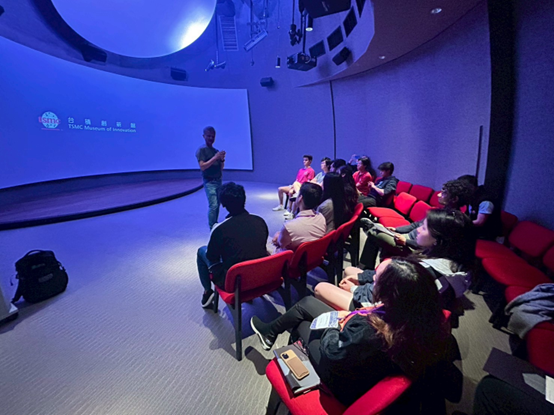
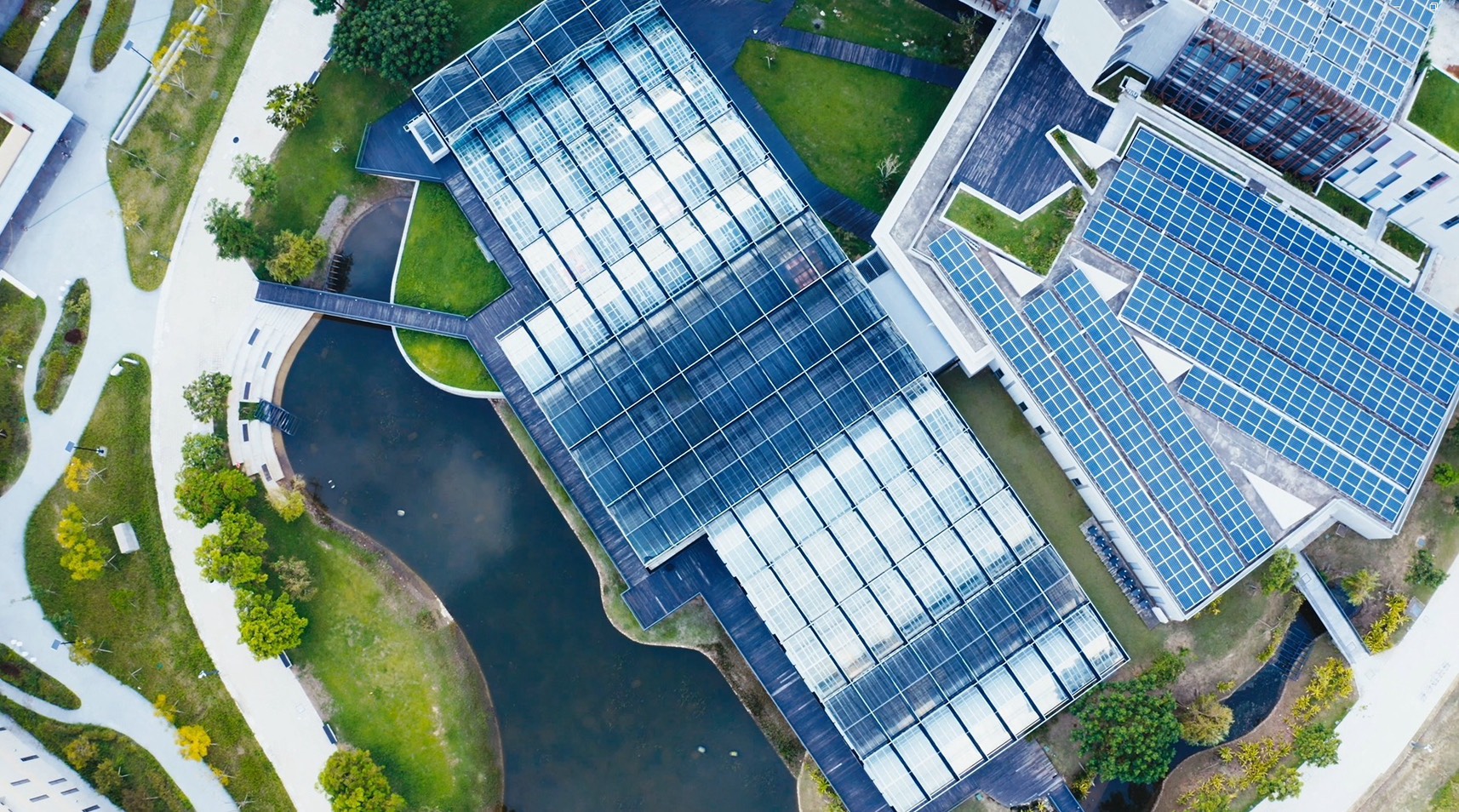
The program also included visits to industrial and energy sites, such as the Qingshui Geothermal Power Plant, Changbin Solar Park, and the TSMC Innovation Museum. These visits provided a deeper understanding of Taiwan’s energy transition challenges, renewable energy deployment, and the strong linkage between energy supply and high-tech industries.
Throughout the program, teams refined their business proposals through interactions with experts from academia and industry, ensuring their solutions were both locally relevant and practically feasible.
The competition concluded with a final presentation and award ceremony on March 27. Overall, the program demonstrated how international collaboration can accelerate the transition of net-zero technologies from research to real-world applications, while highlighting viable pathways for bridging academia and industry and unlocking investment potential.