





 Home
Home
- Lectures
- Institute of Biomedical Sciences
- Location
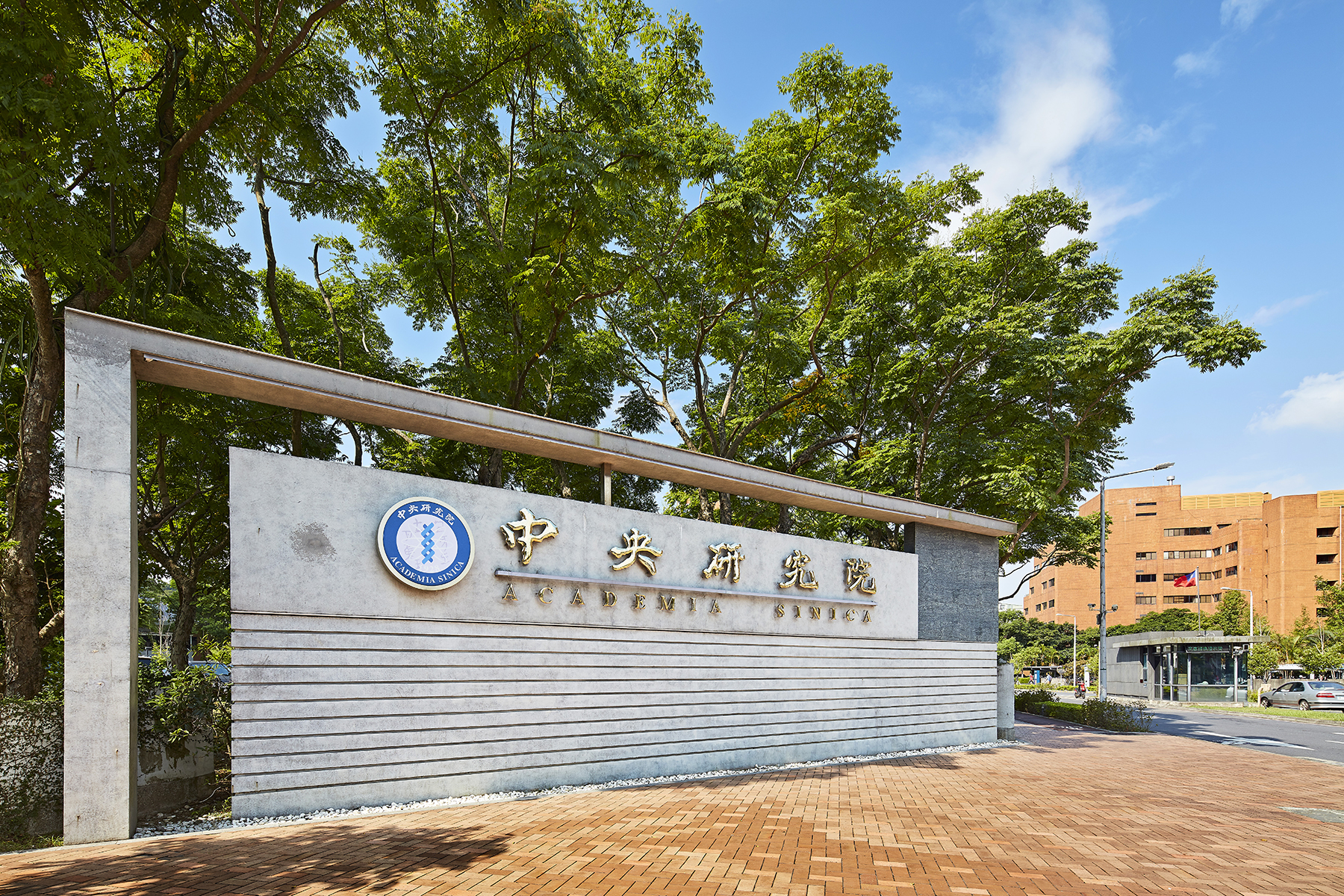
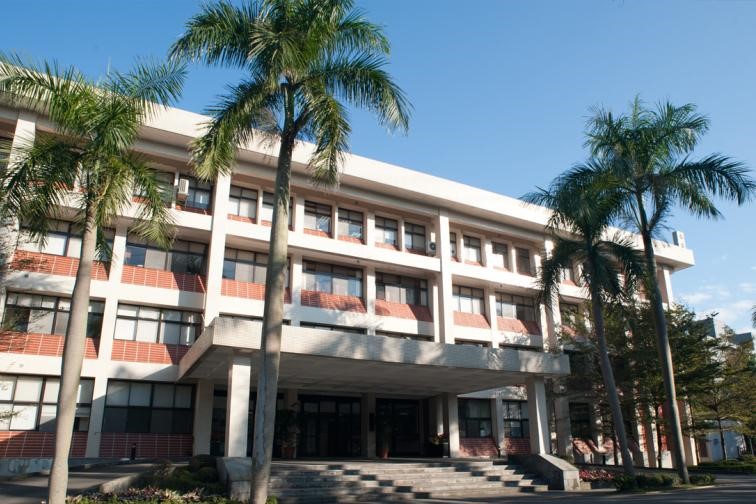
B1B Lecture Room, IBMS
- Speaker Name
Dr. Hiroyoshi Nishikawa (Kyoto Univ.)
- State
Definitive
- Url
2026-03-17 11:00 - 12:00

The clinical application of cancer immunotherapy has revealed that the tumor microenvironment (TME) in humans is diverse, which affects the efficacy of cancer immunotherapy. Therefore, the application of therapeutic strategies based on the TME of each patient is essential for successful cancer immunotherapy. We have developed a novel method (immuno-genomic analysis) to comprehensively investigate immunological phenotypes in the TME. Immuno-genomic analysis uncovered that during cancer development, which is known as the process of cancer initiation, promotion, progression, and metastasis (the evolutionary theory of cancer), the immune system also plays a critical role in allowing its diversification and selection. It has been shown that oncogenic aberrant signaling is involved in both carcinogenesis and immune evasion (immunogenomic cancer evolution). Thus, inhibition of oncogenic signaling by specific driver oncogenes has been shown not only to kill cancer cells but also to augment antitumor immunity, suggesting the potential for the advent of molecularly targeted reagents with a variety of immunomodulatory functions from the perspective of personalized therapy.
Therefore, integrated analyses of immunological and genomic assays (immuno-genomic analysis) are crucial for immune-genomic precision medicine, which can maximize the benefits of cancer immunotherapy.