


 Home
Home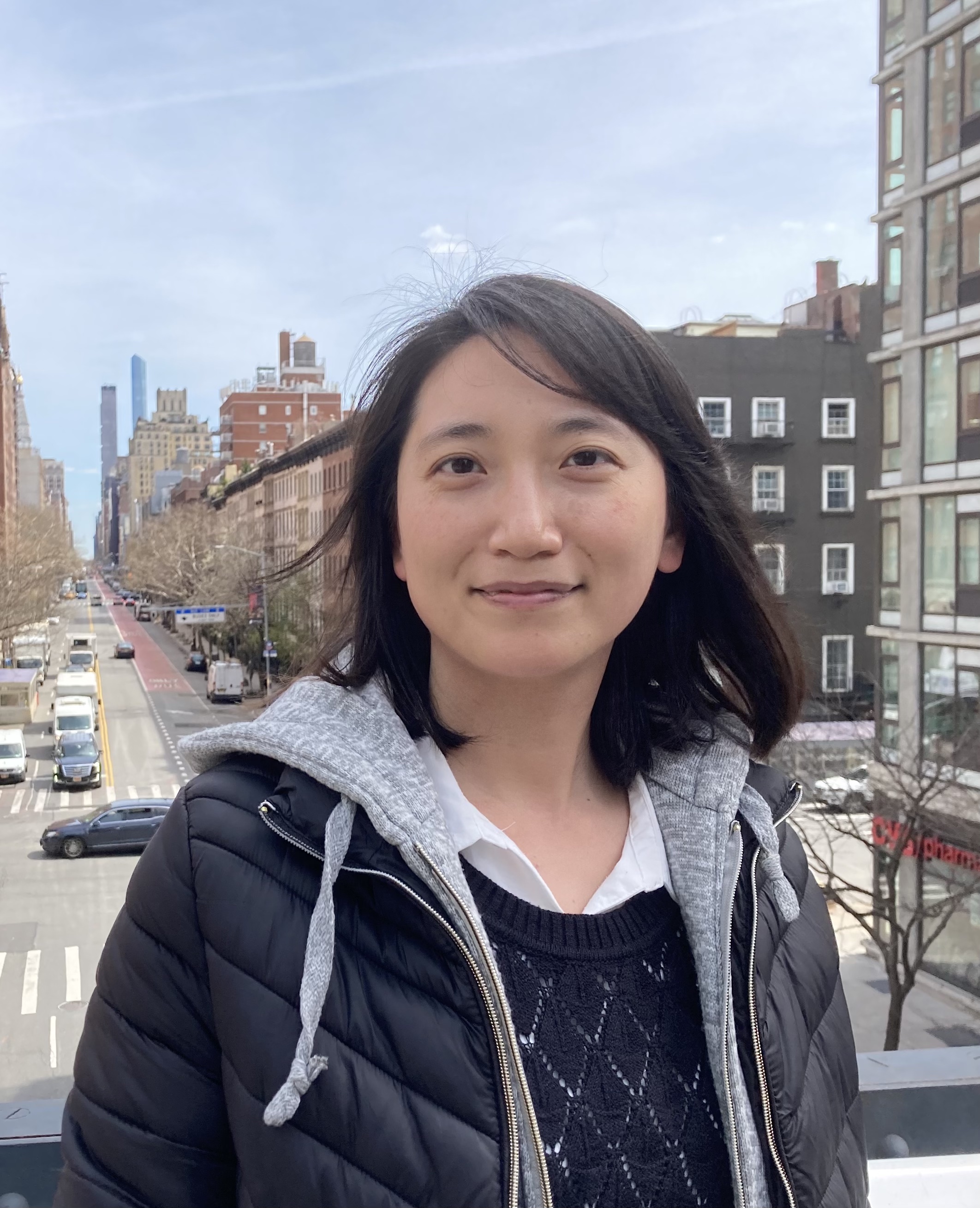
- Lectures
- Institute of Biomedical Sciences
- Location
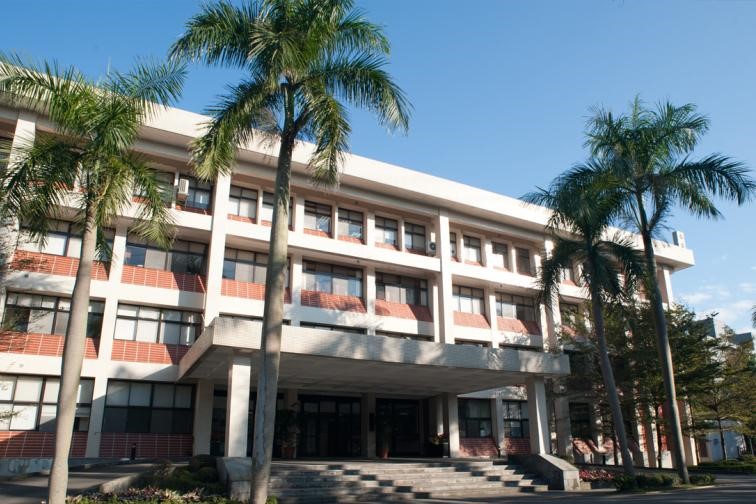
B1B Lecture Room, IBMS
- Speaker Name
Dr. Yu-Tzu Shih (Harvard Medical School/ Massachusetts General Hospital, Boston)
- State
Definitive
- Url
2026-02-25 10:00 - 11:00

The hippocampus forms memories of our experiences by registering processed sensory information in coactive populations of excitatory principal cells or ensembles. Fast-spiking parvalbumin-expressing inhibitory neurons (PV INs) in the dentate gyrus (DG)-CA3/CA2 circuit contribute to memory encoding by exerting precise temporal control of excitatory principal cell activity through mossy fiber-dependent feed-forward inhibition. PV INs respond to input-specific information by coordinating changes in their intrinsic excitability, input-output synaptic-connectivity, synaptic-physiology and synaptic-plasticity, referred to here as experience-dependent PV IN plasticity, to influence hippocampal functions. PV IN impairments result in imbalanced excitation and inhibition, impaired cognition, network hyperexcitability and seizures: hallmarks of neurodevelopmental disorders (NDDs) such as Autism Spectrum Disorder and epilepsy. In a screen designed to capture the PV IN intrinsic program induced by increased mossy fiber inputs, a trigger for experience-dependent PV IN plasticity, we identify the homeobox gene Meis2 as a regulator of experience-dependent PV IN plasticity gene (XPG) in the adult DG-CA3/CA2 circuit. Virally-mediated rescue of experience-dependent Meis2 upregulation in CA3/CA2 PV INs in a NDD risk mouse model in adulthood is sufficient to restore experience-dependent PV IN plasticity, spatial and social memory, ensemble specificity, suppression of network hyperexcitability and seizures. Together, these findings suggest that experience-dependent PV IN plasticity is a convergent mechanism for NDD risk genes that can be re-instated in adulthood to reverse developmental deficits in circuitry, network excitability and cognition.