






 首頁
首頁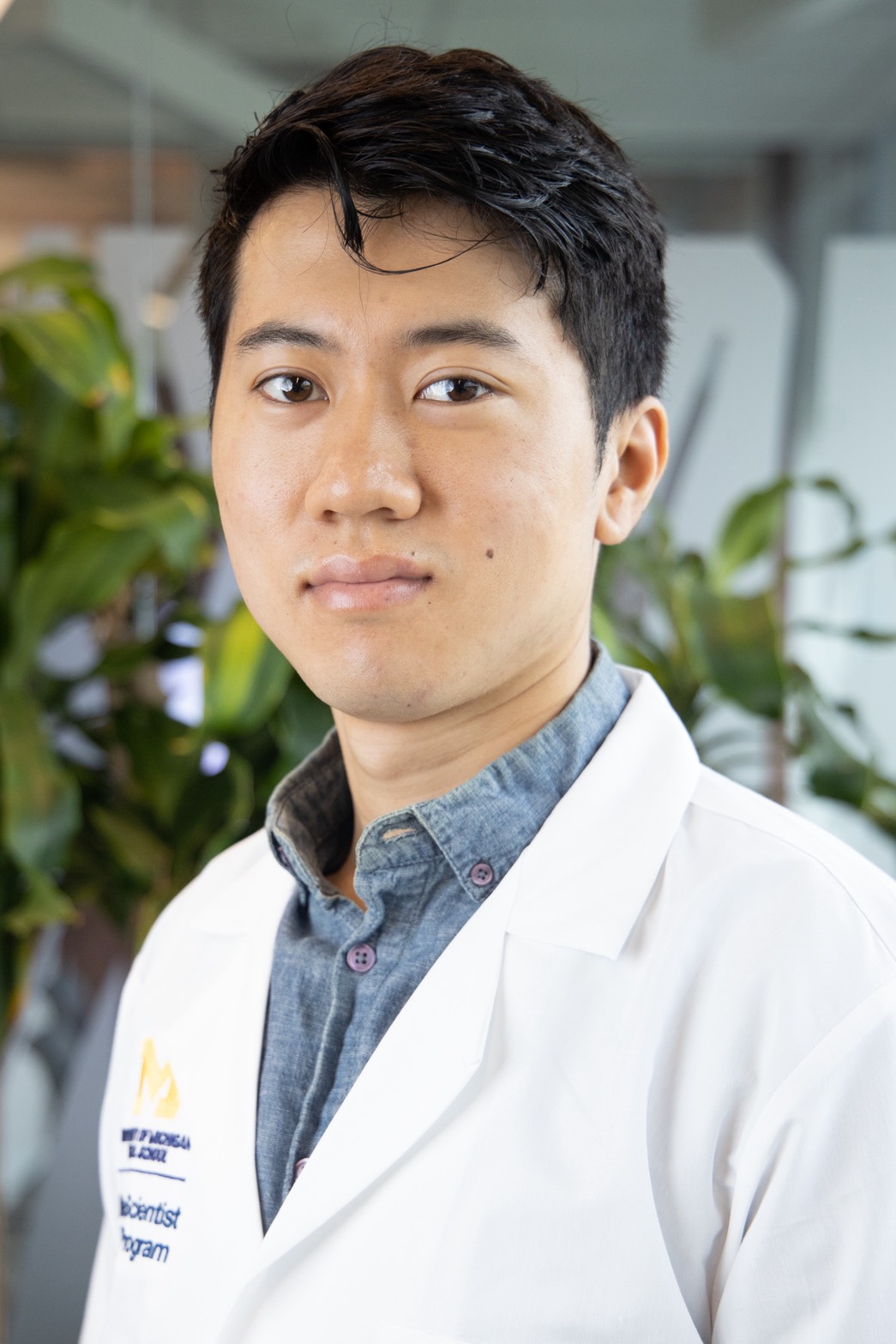
- 演講或講座
- 生物醫學科學研究所
- 地點
生醫所地下室B1B演講廳
- 演講人姓名
鄭嘉樂 (Uni. of Michigan Medical Scientist Training Program)
- 活動狀態
確定
- 活動網址
2026-06-16 11:00 - 12:00

Pancreatic ductal adenocarcinoma (PDAC) subsists in a nutrient-deregulated microenvironment, making it particularly susceptible to treatments that interfere with cancer metabolism. For example, PDAC uses, and is dependent on, high levels of autophagy and other lysosomal processes. Although targeting these pathways has shown potential in preclinical studies, progress has been hampered by the difficulty in identifying and characterizing favorable targets for drug development. Here, we characterize PIKfyve, a lipid kinase that is integral to lysosomal functioning, as a targetable vulnerability in PDAC. Using a genetically engineered mouse model, we established that PIKfyve is essential to PDAC progression. Furthermore, through comprehensive metabolic analyses, we found that PIKfyve inhibition forces PDAC to upregulate a distinct transcriptional and metabolic program favoring de novo lipid synthesis. In PDAC, the KRAS–MAPK signaling pathway is a primary driver of de novo lipid synthesis. Accordingly, simultaneously targeting PIKfyve and KRAS–MAPK resulted in the elimination of detectable the tumor burden in numerous preclinical human and mouse models. Previous studies by our group and others have demonstrated that inhibiting PIKfyve or KRAS-MAPK upregulates surface expression of MHC-I. Accordingly, co-targeting PIKfyve and KRAS primed PDAC tumors to immune checkpoint blockade therapy; together, the triple combination therapy resulted in cures of a subset of mice harboring syngeneic orthotopic models. Taken together, these studies indicate that disrupting lipid metabolism through PIKfyve inhibition induces synthetic lethality in conjunction with KRAS–MAPK-directed therapies for PDAC.