

 首頁
首頁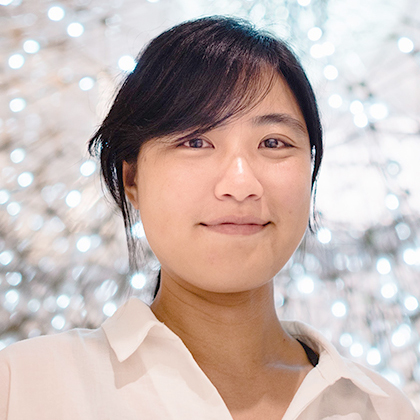
- 演講或講座
- 生物醫學科學研究所
- 地點
生醫所地下室B1B演講廳
- 演講人姓名
王宜萱 博士 (助研究員)
- 活動狀態
確定
- 活動網址
2026-06-01 11:00 - 12:00

The severe acute respiratory syndrome coronavirus 2 (SARS-CoV-2) is the causative agent of COVID-19 pandemic. It has been reported that SARS-CoV-2 uses at least three types of intracellular vesicles during its egress: the single virus-containing vesicle and large virus-containing vesicle derived from the host secretory pathway and the endolysosome from the host lysosomal pathway. The latter is particularly unique—betacoronaviruses are currently the only viruses that has been demonstrated to use this pathway. By morphological examination, we found a differential usage of these vesicles along the course of SARS-CoV-2 infection. Furthermore, the ultrastructure of virus-containing endolysosome suggests that its formation is regulated by a LRRK2-dependent reformation pathway of dysfunctional lysosomes. In this study, we investigated how the virus coordinates the use of different vesicles to better preserve progeny virions within the intracellular environment and increase their chances of release. We also examined how the pathways induced during this process further exacerbate COVID-19 symptoms, and how elucidating these mechanisms may provide potential therapeutic opportunities.