





 首頁
首頁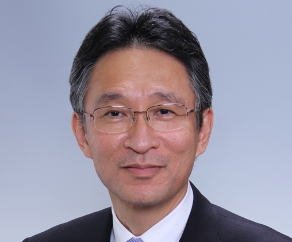
- 演講或講座
- 生物醫學科學研究所
- 地點
生醫所地下室B1B演講廳
- 演講人姓名
竹石恭知 博士 (Fukushima Med. Univ.)
- 活動狀態
確定
- 活動網址
2026-05-14 11:00 - 12:00

Yasuchika Takeishi is Professor and Chairman of the Department of Cardiovascular Medicine at Fukushima Medical University, where he leads patient care, research, and education. A 1987 graduate of Yamagata University School of Medicine, he subsequently held positions at the University of Cincinnati and Case Western Reserve University (1997–2000). During this time, he was trained in the NIH-sponsored Specialized Centers of Research in Heart Failure program, which pioneered the use of genetically engineered mice to elucidate mechanisms of cardiac hypertrophy and heart failure. Since 2008, Dr. Takeishi has served as Professor and Chair of the Department of Cardiovascular Medicine at Fukushima Medical University. The global burden of heart failure has motivated Dr. Takeishi to focus on how aberrant signal transduction pathways alter cardiac size and function. Recognizing the critical role of protein kinase C in the development of cardiac hypertrophy and its progression to heart failure, he demonstrated in vitro that regulation of cellular levels of diacylglycerol (DAG) and its downstream signaling cascade by DAG kinase modulates cardiomyocyte hypertrophy. Using genetically engineered mice, he further showed that DAG kinase suppresses cardiac remodeling after pressure overload and myocardial infarction in vivo. In addition, DAG kinase prevents progressive heart failure and lethal arrhythmias in mice overexpressing constitutively active Gαq.
Pioneering studies in cellular and humoral innate immunity inspired Dr. Takeishi to investigate the roles of Toll-like receptors (TLRs) and pentraxin 3 in heart failure. He demonstrated that TLR2 modulates ventricular remodeling after myocardial infarction and doxorubicin-induced cardiotoxicity through the production of inflammatory cytokines. He also found that pentraxin 3 derived from bone marrow cells, rather than cardiac resident cells, plays a crucial role in protecting the heart against myocardial ischemia–reperfusion injury by attenuating neutrophil infiltration, the generation of reactive oxygen species, and inflammatory cytokine production.
The changing landscape of healthcare delivery has motivated Dr. Takeishi to investigate clinical biomarkers for risk stratification in patients with heart failure, leading to the identification of several novel candidate markers. In addition, he has employed molecular imaging with positron emission tomography to characterize the metabolic and inflammatory status of the failing heart. More recently, he has focused on the role of clonal hematopoiesis, a novel link between aging and cardiovascular disease. He demonstrated that clonal hematopoiesis associated with JAK2V617F causally leads to the development of pulmonary hypertension and aortic aneurysm.
Productive collaborations with mentors, colleagues, and trainees have resulted in more than 500 publications in leading journals, including Nature Communications, Journal of Clinical Investigation, Circulation, Circulation Research, Journal of the American College of Cardiology, Cardiovascular Research, and Journal of Molecular and Cellular Cardiology. Dr. Takeishi has served as Editor-in-Chief of the Journal of Cardiology, as Associate Editor of the Circulation Journal (Japanese Circulation Society), and as a member of the editorial boards of various others.