





 首頁
首頁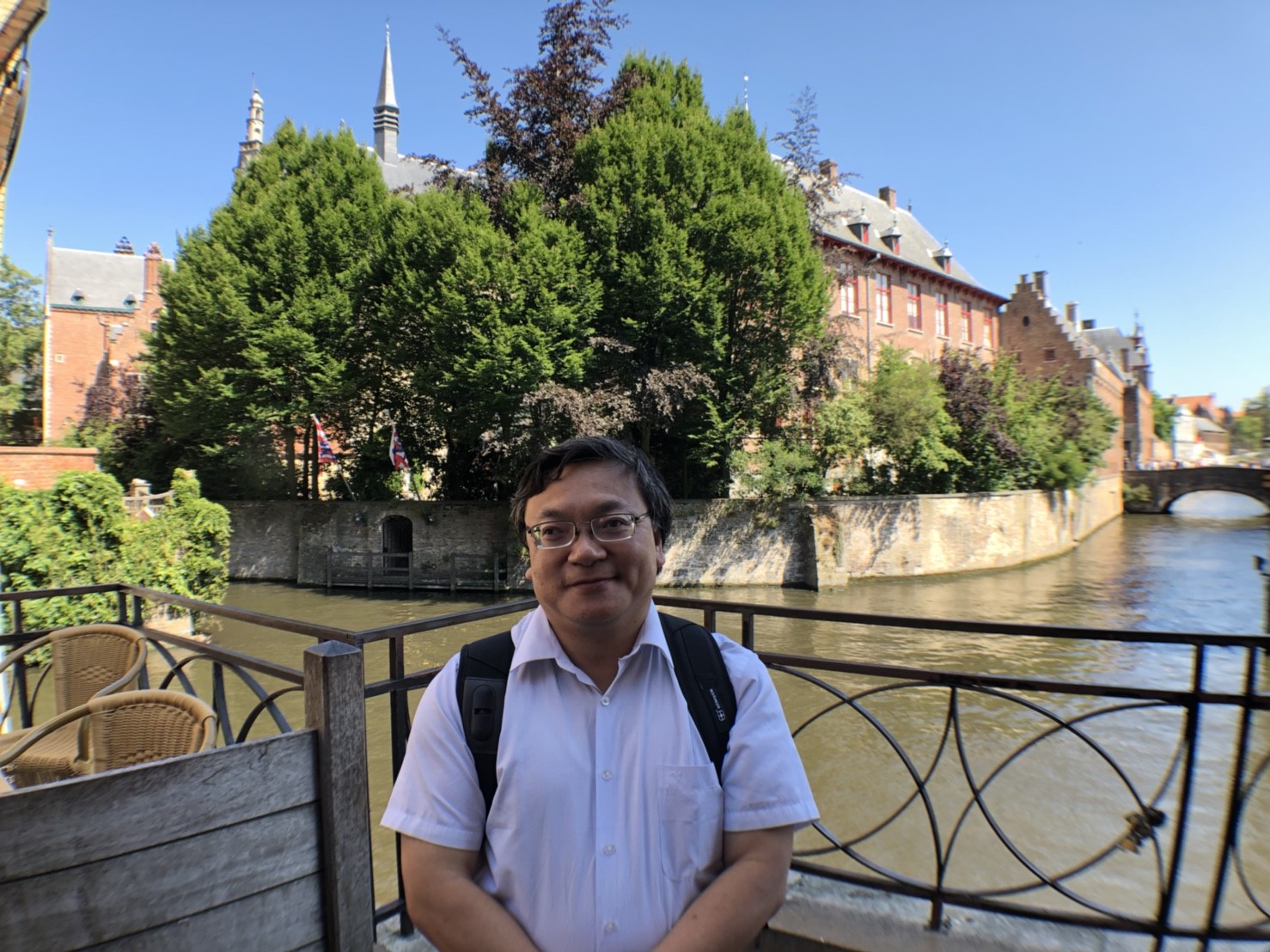
- 演講或講座
- 生物醫學科學研究所
- 地點
生醫所地下室B1B演講廳
- 演講人姓名
許世賢 博士 (高雄醫學大學)
- 活動狀態
確定
- 活動網址
2026-05-26 11:00 - 12:00

Steatotic liver disease and hepatocellular carcinoma (HCC) are closely linked, but the molecular mechanisms that connect metabolic dysfunction to tumor-promoting immune remodeling remain unclear. Here, we identify intestine-specific homeobox (ISX) as a central driver of liver disease progression across these stages. In liver-specific ISX transgenic mice, metabolic stress induced male-predominant steatosis, fibrosis, immune remodeling, and early neoplastic priming, accompanied by activation of androgen receptor-associated metabolic and epigenetic programs. Single-cell transcriptomic analyses further revealed an immunomodulatory hepatic niche enriched in M2-like macrophages and altered T-cell states. In human liver tissues, elevated ISX expression was associated with steatosis, triglyceride accumulation, metabolic gene activation, and poor prognosis. In HCC, ISX was strongly associated with CD47 signaling and inflammasome-related genes, particularly NLRP1 and NLRP3, and higher expression of these molecules correlated with worse overall survival. Functional studies in hepatoma cells showed that increased ISX expression directly upregulated CD47 and inflammasome-associated genes at both the RNA and protein levels, while reporter assays supported transcriptional activation of these targets. In tumor models, ISX-dependent signaling promoted M2-like macrophage polarization and reshaped the hepatic immune microenvironment. Mechanistically, ISX cooperated with TWIST1 to support activation of CD47- and inflammasome-related transcriptional programs during liver cancer progression. Together, these findings identify ISX as a unifying regulator that links male-biased metabolic liver disease, immune remodeling, and tumor progression, highlighting ISX as a potential therapeutic target across the spectrum from steatotic liver disease to HCC.