




 首頁
首頁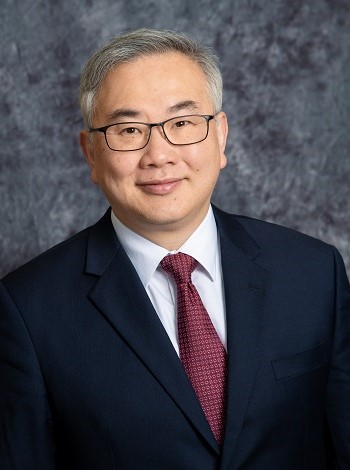
- 演講或講座
- 生物醫學科學研究所
- 地點
生醫所地下室B1B演講廳
- 演講人姓名
Clark Chin-Chung Chen, MD, PhD (The Warren Alpert Medical School of Brown Unive.)
- 活動狀態
確定
- 活動網址
2026-06-30 11:00 - 12:00

Glioblastoma is the most common primary brain cancer in adults, and despite maximal therapy, most patients do not survive beyond two years. Yet a small subset of exceptional responders demonstrates durable benefit, offering a window into mechanisms of therapeutic sensitivity. Profiling of clinical specimens from these exceptional responders revealed a marked enrichment of miR‑181d, prompting deeper investigation into its functional role. Orthogonal analyses of miR‑181d downstream targets identified key base‑excision repair and homologous‑recombination proteins, including methyl‑guanine methyltransferase (MGMT) and RAD51, indicating that high miR‑181d expression confers sensitivity to both chemotherapy and radiation. Mechanistic studies showed that miR‑181d is selectively degraded by the mitochondrial exonuclease PNPT1 in response to temozolomide exposure, and this loss of miR‑181d drives acquired resistance. Beyond regulating mean expression, miR‑181d also constrains cell‑to‑cell variability; elevated miR‑181d reduces both the median abundance and the variance of DNA‑repair proteins. This variance suppression is functionally significant, as decreased heterogeneity in DNA‑repair capacity promotes survival of a resistant subpopulation under genotoxic stress. Together, these findings identify miR‑181d as a dual‑mode regulator of DNA‑repair networks, controlling both expression level and expression variance. Moreover, they reveal PNPT1‑mediated miR‑181d degradation as a critical mechanism underlying therapeutic resistance in glioblastoma.