研究之中,找到我們是誰 | 中央研究院(2025年版形象影片)
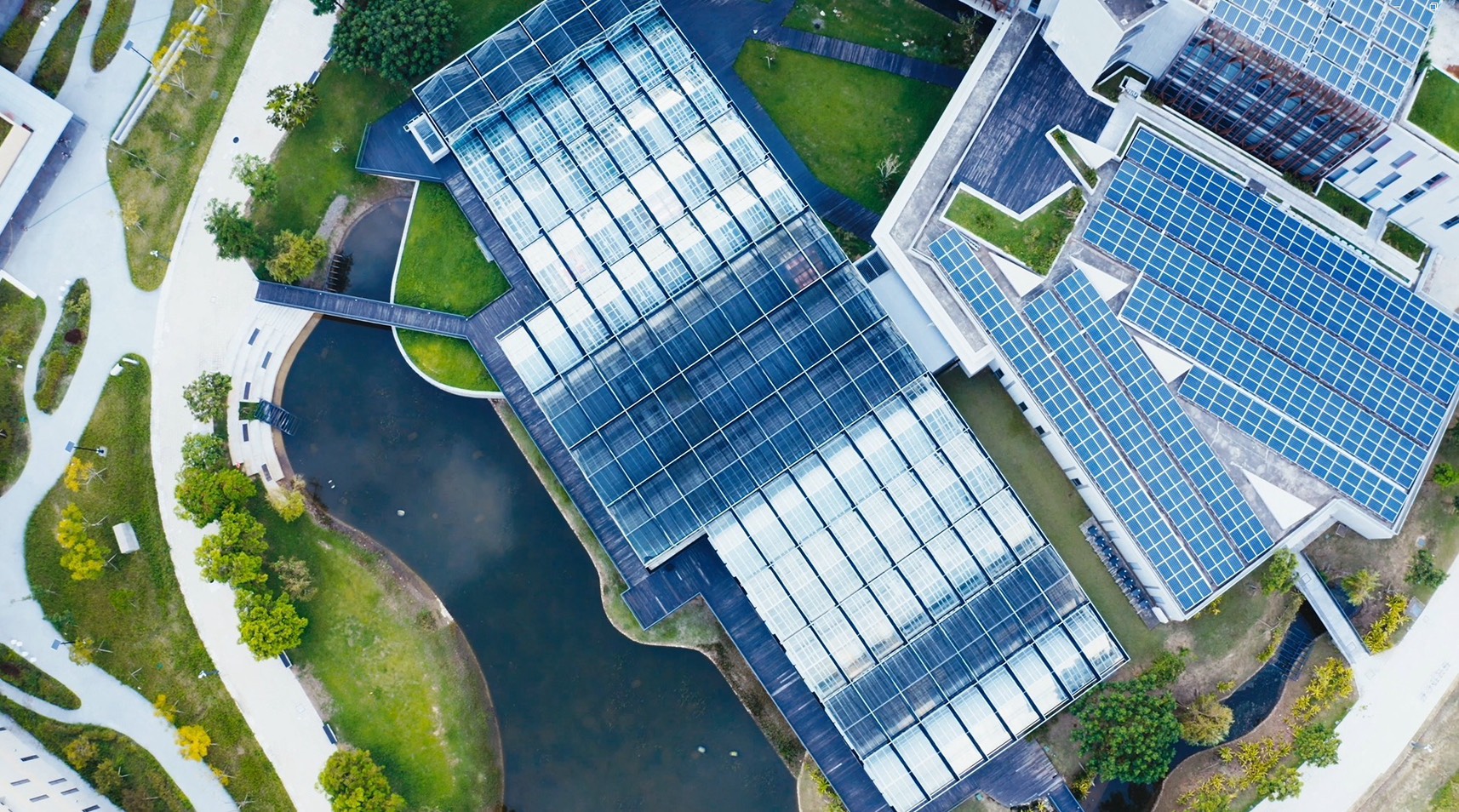
空拍
院區風景
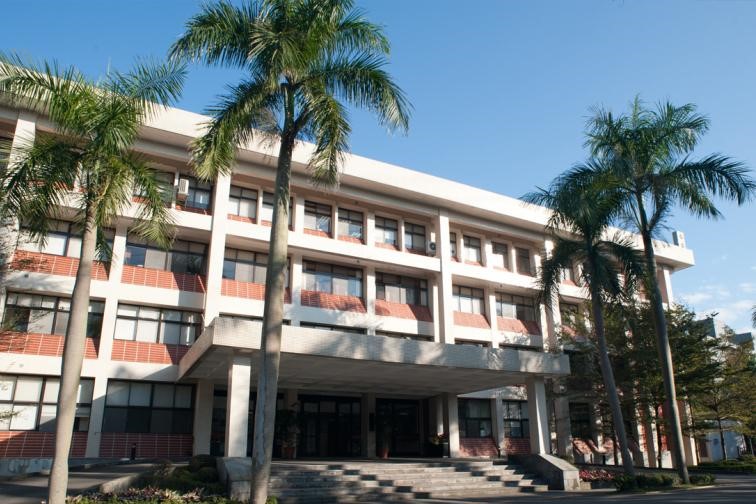
圖書館
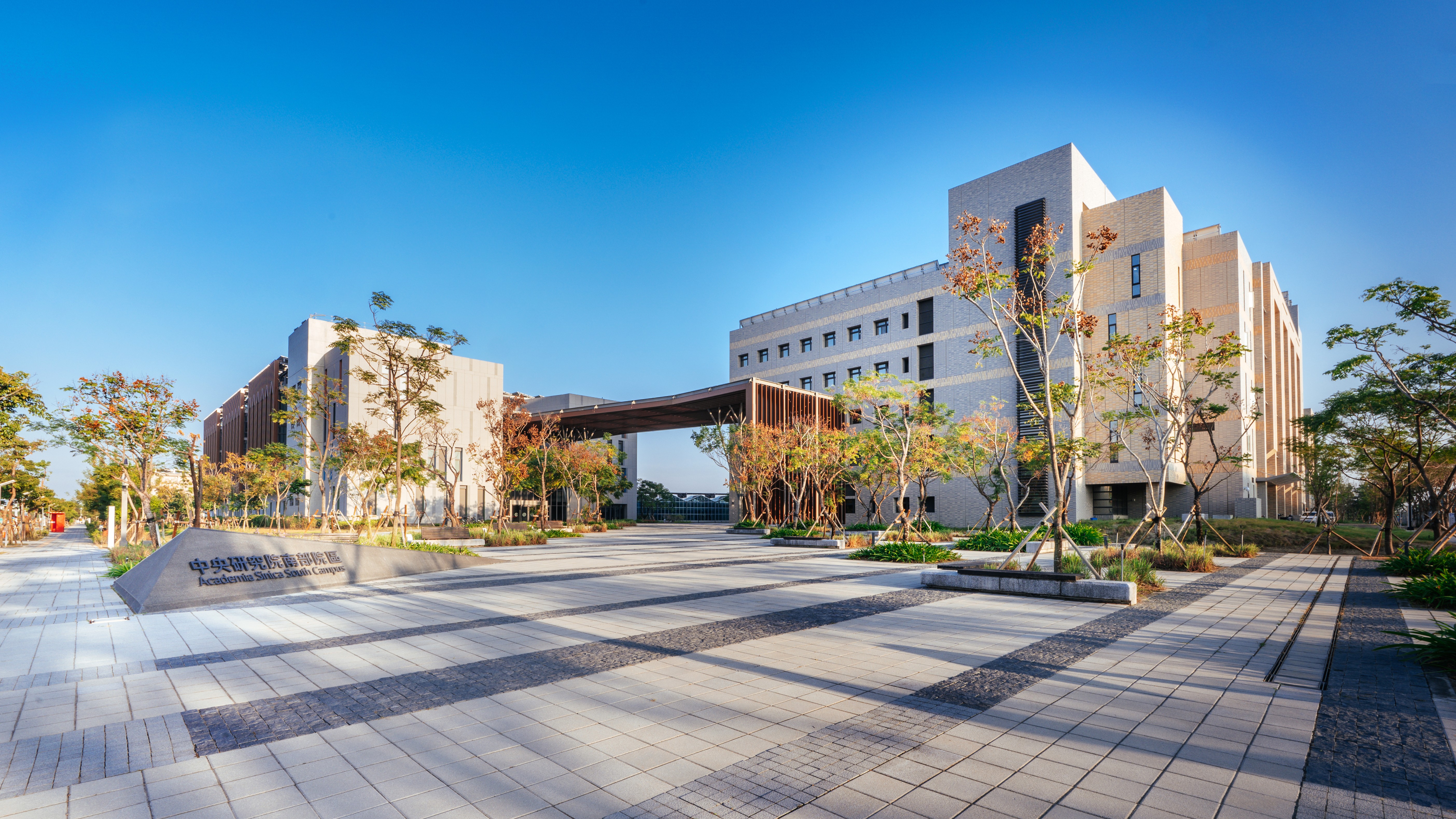
南部院區
聲明專區
中研院學術大會
中央研究院陳建仁院長今(22)日於臺南舉辦的第57屆亞太公共衛生學術聯盟(APACPH)年會中,獲頒「麥克拉倫教授領導成就獎(The Professor Kazue K. McLaren Leadership Achievement Award)」,表彰其在流行病學、環境健康,以及慢性肝炎與癌症防治等領域的卓越貢獻。
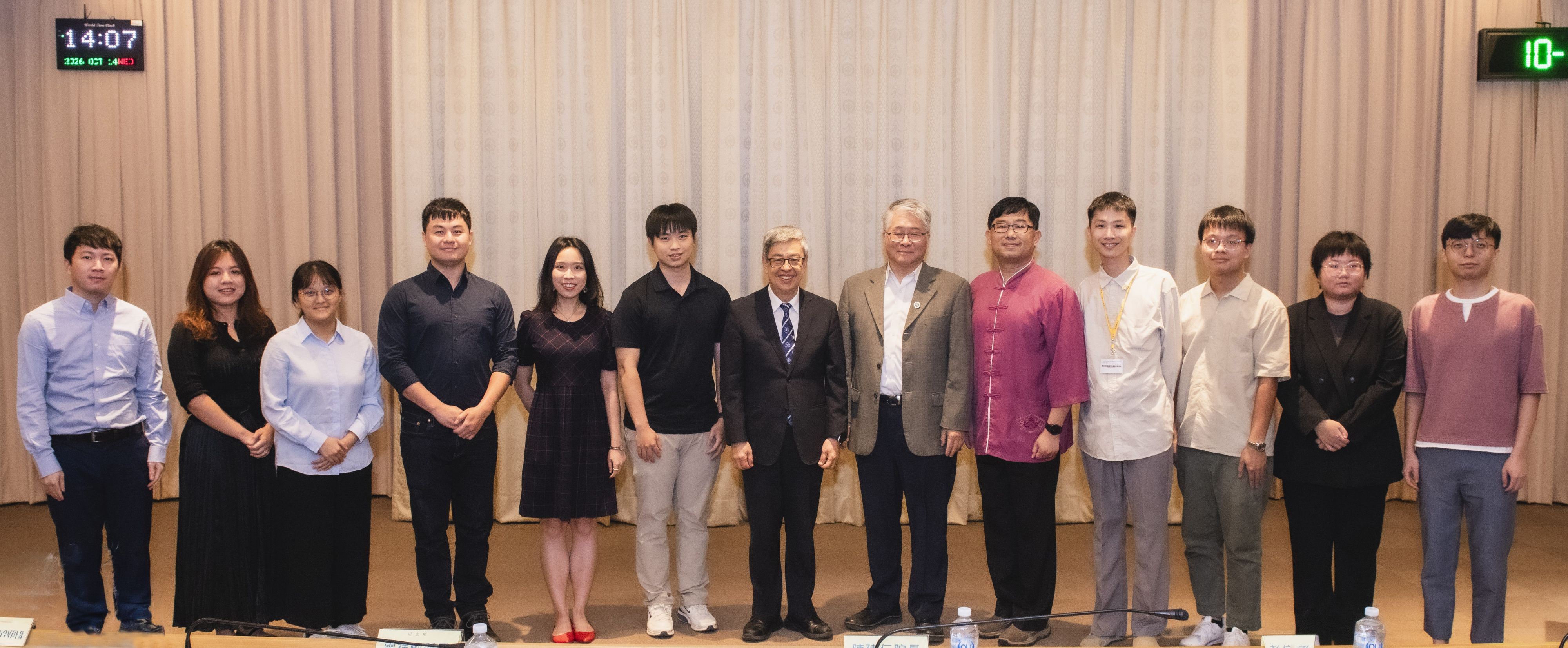
中央研究院近日舉辦115年度「人文社會科學博士生菁英獎學金」迎新會,由本院陳建仁院長親自歡迎今年獲獎的14名優秀博士生,並聆聽學生們介紹各自的研究主題與計畫。陳院長期許同學們加入中研院學術研究社群後,透過跨校、跨領域交流,開啟學術探索的新篇章。
中央研究院特別講座昨(19)日邀請前歐盟執行委員會主席、2012年代表歐盟接受諾貝爾和平獎的何塞·曼努埃爾·巴羅佐 (H.E. José-Manuel Barroso)蒞臨演講,以「全球衛生與經濟韌性的改革」(Reform for Global Health and Economic Resilience)為題,分享如何透過國際合作與制度改革,因應全球衛生挑戰並強化經濟韌性。現場吸引逾200名研究人員與學生參與,交流提問熱絡。
中央研究院年度科普盛會「院區開放日」(Open House)邁入第29屆,今(17)日熱鬧登場!今年推出逾170場兼具趣味與知識深度的科普活動,內容涵蓋宇宙與生命演化、AI與社會、歷史文化、科學手作,以及難得一見的實驗室開箱。今天天氣晴朗,秋陽映照下,各研究所、展場及實驗室一早即湧入大批人潮,大小朋友拿著活動地圖穿梭院區,處處洋溢著探索新知的熱情。
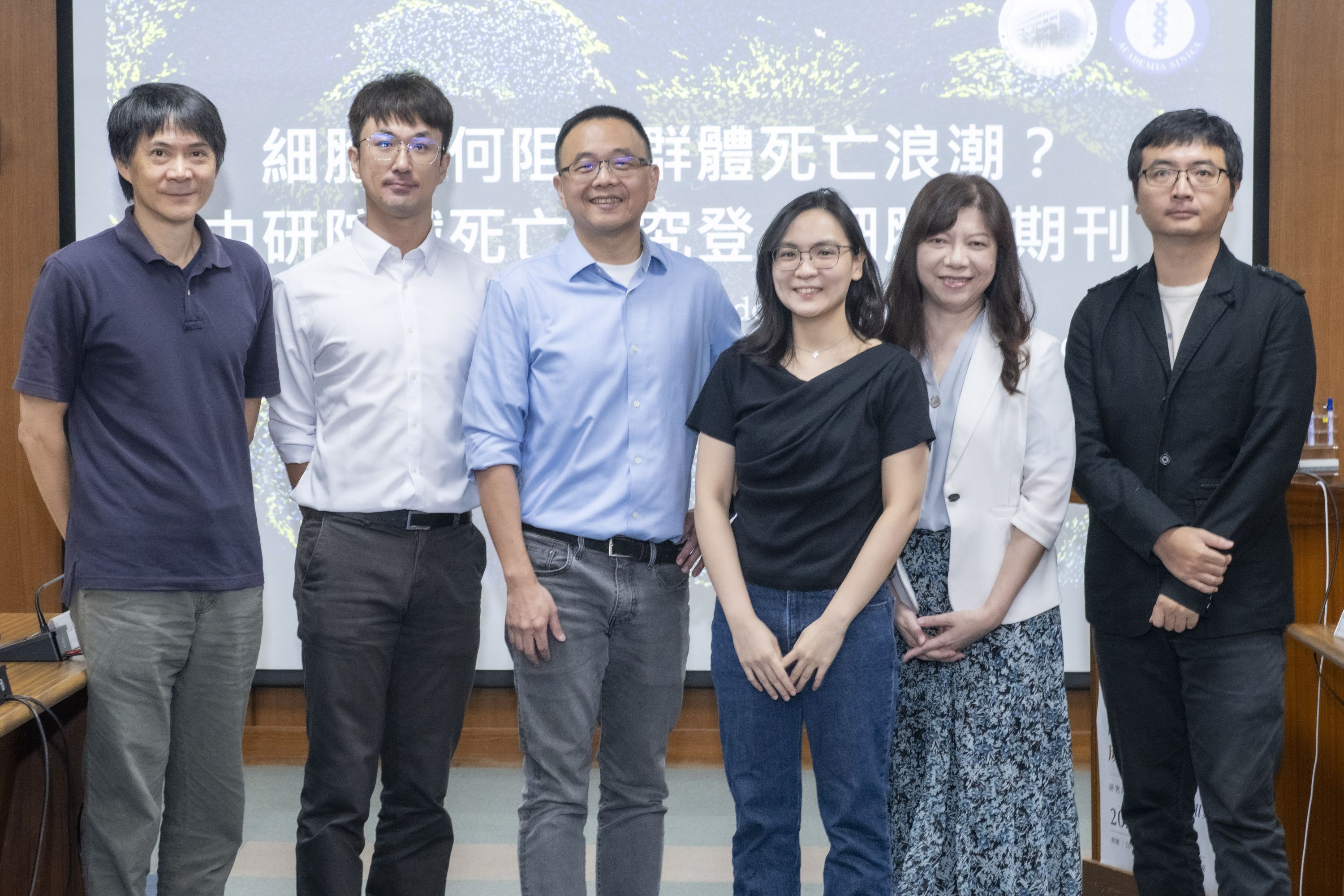
細胞並非各自決定生死,它們在群體中形成的空間圖案,也會共同決定死亡訊號如何傳播。繼2024年在《自然》(Nature) 期刊發表鐵死亡「觸發波」可造成大規模細胞死亡後,中央研究院分子生物研究所陳昇宏副研究員團隊再揭關鍵機制——細胞群體自然形成的密度與排列方式,能決定鐵死亡從哪裡開始、往哪個方向傳播,以及何時停止。這項研究顯示,影響細胞生死的不只單一細胞內部的分子反應,組織本身的空間結構也可能參與其中,為理解胚胎發育、組織受損及疾病過程中的大規模細胞死亡提供新的視角。研究成果於本(2026)年10月15日發表於國際頂尖期刊《細胞》(Cell)。
「臺灣橋梁計畫(Taiwan Bridges)」歷經一年推動,今(12)日於臺灣大學舉行閉幕式,賴清德總統、中央研究院陳建仁院長與臺灣大學陳文章校長等近400名貴賓蒞臨,共同見證計畫階段性成果。陳建仁院長致詞表示,計畫期間共有31位諾貝爾獎得主來臺交流,在短時間內為臺灣師生及研究人員帶來多元而珍貴的學術視野。尤其對青年世代而言,透過難得的面對面對話,更能體會科學探索所需的好奇心、創造力及長期投入的精神。陳院長也強調,「臺灣橋梁計畫」不僅深化臺灣研究社群與國際學術界的連結,更讓世界看見臺灣的研究能量與學術實力,為未來國際合作搭起重要橋梁。
中央研究院近代史研究所(以下簡稱近史所)於今(8)日與美國史丹佛大學胡佛研究所圖書檔案館(Hoover Institution Library & Archives, Stanford University)簽署合作備忘錄。未來雙方將就檔案史料共享、學術研究及研究人員互訪等面向深化合作,進一步串聯臺美兩地近代臺灣、中國及東亞歷史研究的資源。
中央研究院長期透過智財保護與技術移轉,促進研發成果轉化為滿足社會需求的實際應用,提升國家科研競爭力。深耕高階分析儀器研發與技術轉譯的本院基因體研究中心前主任陳仲瑄院士,其創辦之衍生新創公司愛思分析儀器(iAnalyzer Inc.),近日以於本院研發及授權的技術—可攜式快篩及高精度分析的檢測平台,獲頒2026臺北生技獎「創新技術獎—應用生技組金獎」及「臺北生技之星」雙料大獎。其獲獎技術是在科技部(現為國科會)價創計畫支持下,完備本院專屬授權程序之轉譯成果,展現中研院將基礎研究延伸至實務運用、回應社會需求的能量。
中央研究院院區開放科普饗宴今(3)日正式開跑,率先登場的「兒童科普日」推出逾60場專為國小孩童打造的科普活動。從蝶蛾標本、AI辨識病媒蚊,到化學實驗、國際關係與歷史遊戲等,院區化身小朋友的探索教室,透過遊戲及互動體驗,在玩樂中親近科學與人文知識。今早雖不時飄雨,卻也為秋日帶來涼爽舒適的天氣。許多家長牽著孩子穿梭院區,各活動場地人潮絡繹不絕,孩子們忙著闖關、動手實驗,笑聲與驚呼聲此起彼落。
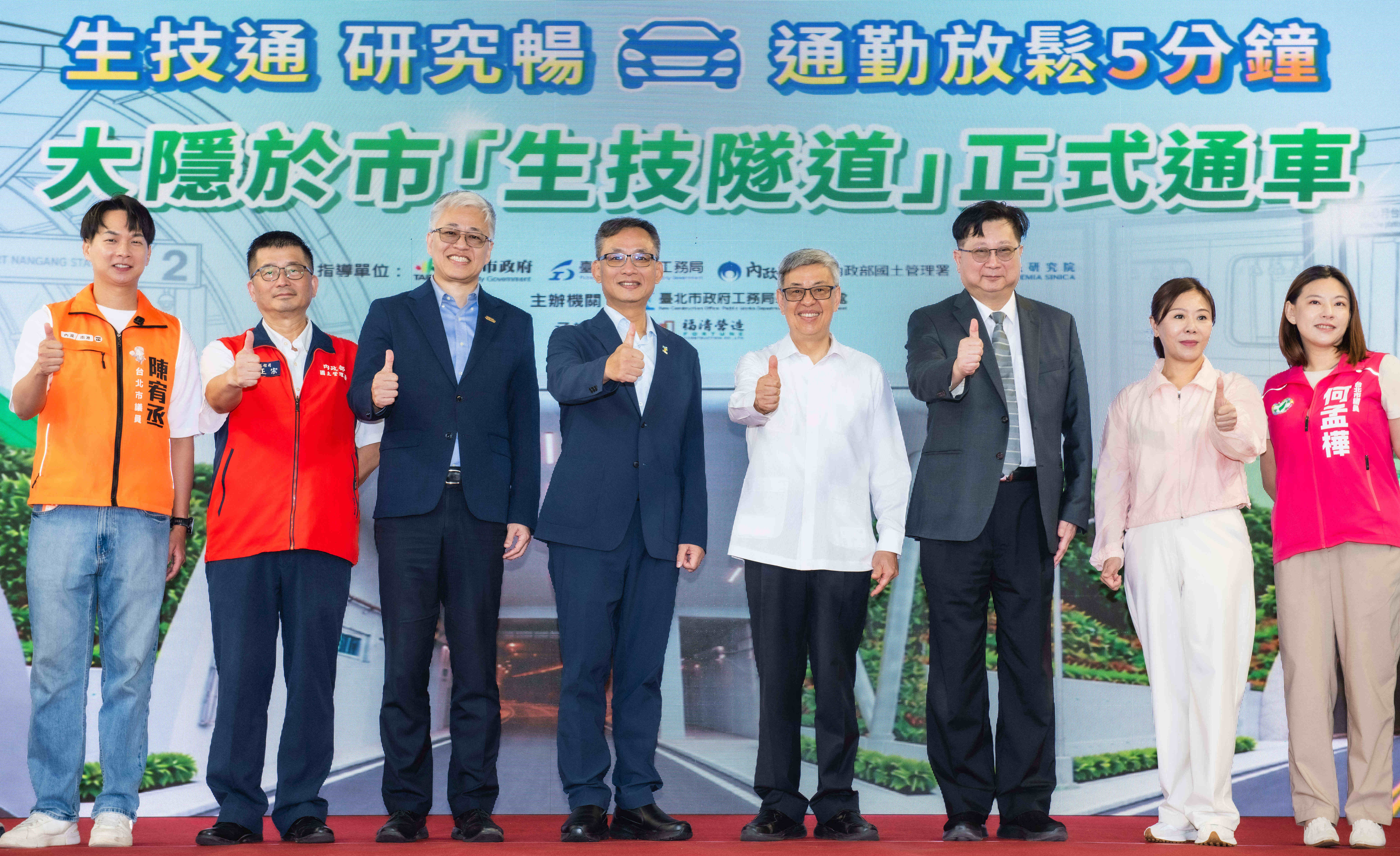
國家生技研究園區聯外道路於今(28)日正式通車!中央研究院陳建仁院長與近百名產官學界貴賓出席「生技隧道暨生技路通車典禮」,共同見證這項重要交通建設落成。聯外道路啟用後,不僅有助紓解園區周邊交通,也將進一步帶動南港生醫研究與生技產業廊帶的發展。
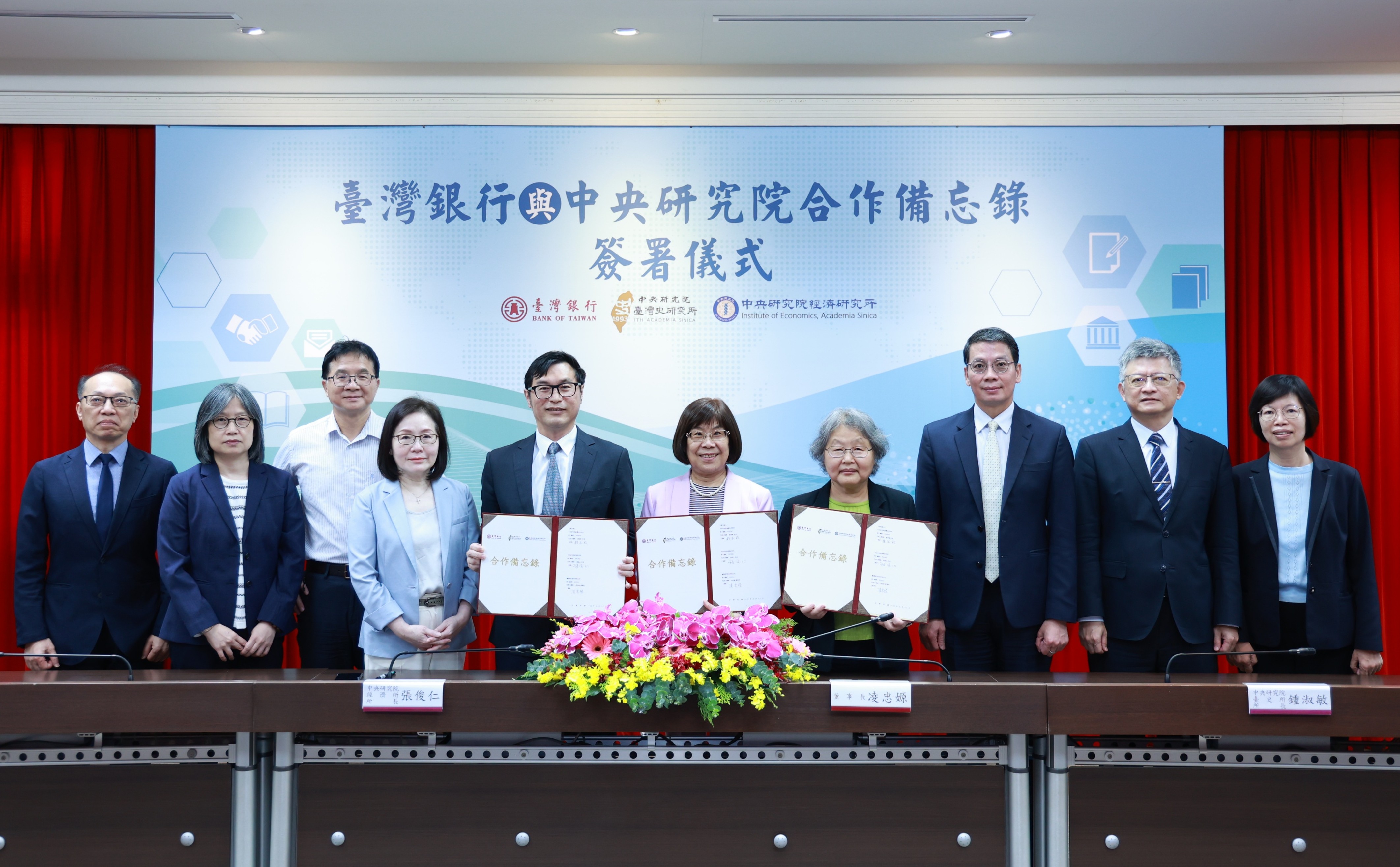
中央研究院臺灣史研究所、經濟研究所於今(18)日與臺灣銀行簽署合作備忘錄。未來三方將針對臺銀所藏二戰後的文獻資料,展開數位典藏、學術研究與教育推廣等全方位合作,深化臺灣歷史與經濟發展研究,讓珍貴史料從典藏庫房走入公共視野,將研究成果與社會共享。
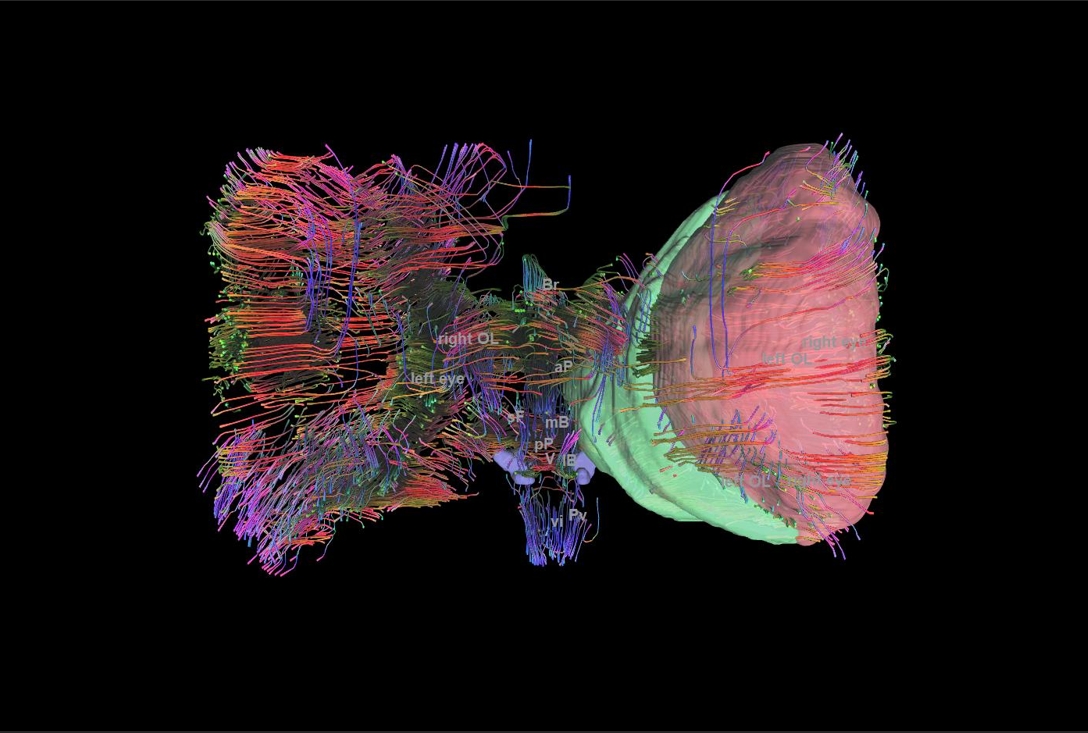
氣候變遷導致海洋吸收大量二氧化碳,造成全球海洋酸化持續加劇。中央研究院細胞與個體生物學研究所曾庸哲副研究員領軍的國際團隊,發現長期暴露於酸化海水中的萊氏擬烏賊(俗稱軟絲),基本視覺仍維持正常,但是視葉神經代謝網絡重組,部分重要腦部結構更明顯萎縮,掠食行為顯著下降。此發現推翻過去認為酸化主要透過損害視覺影響行為的觀點,顯示酸化可能干擾大腦高階神經整合,甚至促使腦部提前啟動結構重塑,無法正確處理與整合視覺訊息。這也是全球首次紀錄到水生動物在酸化環境下,如此明確的大腦層級變化。
學術及儀器事務處
2026/10/19
本院林哲宏助研究員榮獲2026年第二屆「台積電生物多樣性獎學金暨提案獎勵」提案獎。
近代史研究所
2026/10/13
近代史研究所黃自進兼任研究員榮獲日本2026年度「外務大臣表彰」
國際事務處
2026/10/12
中央研究院特別講座「全球衛生與經濟韌性的改革」
歷史語言研究所
2026/09/30
Books from Taiwan!中研院攜15部人文與科學著作前進法蘭克福
近代史研究所謝歆哲助研究員榮獲2026美國科學史學會Derek Price/Rod Webster論文獎
116年度本院新增「淨零科技研發計畫」即日起至115年11月16日止受理申請
2026/09/08
歷史語言研究所張谷銘副研究員獲選國際大學史委員會會長
2026/09/07
115年度中央研究院人文社會科學博士生菁英獎學金 共計14名同學獲獎
人文社會科學研究中心
2026/08/28
國際學者共赴中研院 八大開放資料庫共展AI時代臺灣實證研究量能
秘書處
2026/08/14
活動報名〉2026年知識饗宴—吳大猷院長科普講座「匯聚力量:我們可以為臺灣的癌症研究做些什麼?」
2026/08/13
活動紀錄〉2026中研GIS論壇圓滿成功
2026/08/12
徵件〉中央研究院2027年藝文活動甄選申請須知
2026/08/07
本院分子生物研究所陳詩允副研究員榮獲第二十二屆永信李天德青年醫藥科技獎。
2026/08/04
中央研究院115年度第二次人文社會科學研究倫理教育訓練
近代史研究所徐兆安副研究員獲2026年國際教育史常設會議首部專書獎
2026/07/30
中研院藝文活動〉胖擊口琴樂團:口琴重奏音樂分享
中研院藝文活動〉台灣竹樂團:竹樂音畫
天文及天文物理研究所
2026/07/21
濃縮恆星百萬年誕生歷程 中研院水墨動畫《行雲流水》獲邀於紐約「Beyond Digital」展出
院本部-智財技轉處
商業開發暨授權組
截止:2026/10/30
院本部-資訊服務處
系統科
截止:2026/10/31
人文及社會科學組-人文社會科學研究中心
調查研究專題中心SRDA學術調查研究資料庫
數理科學組-應用科學研究中心
林鈺容老師實驗室
生命科學組-基因體研究中心
陳緯老師實驗室
施閔雄老師實驗室
生命科學組-細胞與個體生物學研究所
周雅惠老師實驗室
生命科學組-生物化學研究所
吳昆峯老師實驗室
截止:2026/11/03
發展科
推廣科
調查研究專題中心
數理科學組-原子與分子科學研究所
王偉華老師_奈米元件物理實驗室
生命科學組-植物暨微生物學研究所
謝明勳實驗室/Ming-Hsiun Hsieh Lab
10/13~10/27
01:00 人文社會科學研究中心
2026年美好生活大小事
10/20~11/15
「生育與育兒意願」網路調查
10/27~10/30
09:00 物理研究所
第十三屆泛太平洋高能自旋物理研討會
10/27
10:00 法律學研究所
刑罰的法經濟分析
11:00 細胞與個體生物學研究所
[細生所演講] Recurrent germline stem cell migration and competitive niche occupancy in the invertebrate chordate, Botryllus schlosseri
14:00 民族學研究所
Symbolic Density and Demographic Depletion
14:00 台灣史研究所
週二演講:清嘉道年間臺灣盧允霞京控案
14:00 經濟研究所
Are Public School Teachers Overpaid? Regression Discontinuity Evidence from a Ranked Waitlist in Kenya
10/28
10:00 社會學研究所
中央研院社會學研究所第十屆博士後學者論壇--當代社會的多重面貌:民主、技術與文化的交會
10:00 基因體研究中心
GRC Lecture: Molecular gatekeeping of epithelial identity in cancer progression and therapeutic resistance
15:00 近代史研究所
從「第三世界」到「東亞」:韓國批判思想系譜中被遺忘的連結
10/29~10/31
08:00 人文社會科學研究中心
2026 CIBS 分配正義與公平配置國際研討會
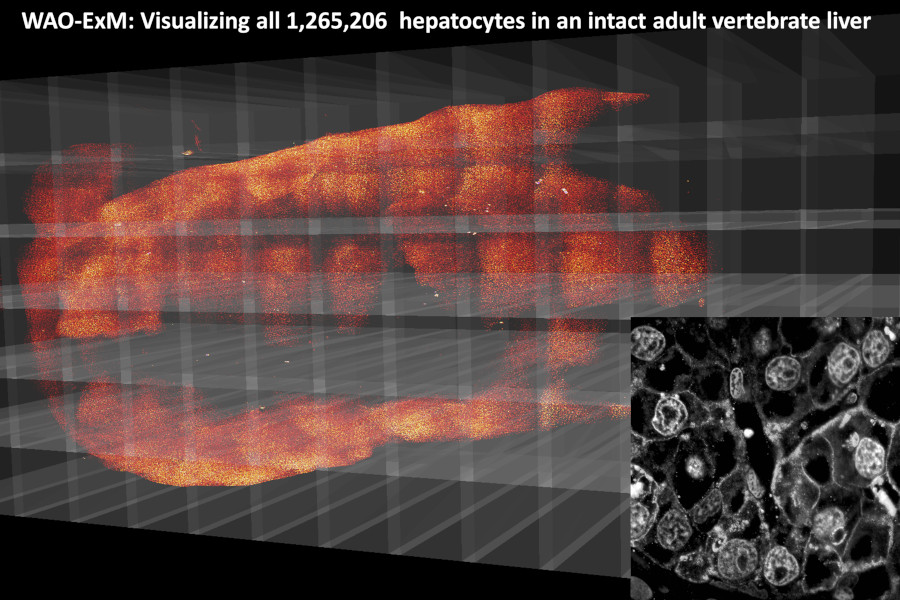
脊椎動物的器官如何透過細胞增生,達到成年時期的大小與形狀,至今仍有許多未解之謎。本院細胞與個體生物學研究所陳振輝研究員研究團隊與應用科學研究中心陳壁彰研究員研究團隊合作,開發「全成年器官擴增顯微技術」(Whole Adult-Organ Expansion Microscopy; WAO-ExM),以斑馬魚肝臟為模型,首次達到以單細胞解析度「看見」成年肝臟中的每一個肝細胞,並發現成年斑馬魚肝臟平均含有126萬個肝細胞。透過結合多顏色細胞標誌技術,研究團隊進一步發現,肝臟生長主要是由極少數肝細胞的大規模增生所驅動,僅僅3至4個肝細胞的增生,就足以促成一個完整肝葉的發育。這項研究首次實現在百萬顆細胞的層級上,以單細胞解析度解構脊椎動物成年器官的生長機制。
本院語言學研究所期刊《語言暨語言學》第27卷第4期已出版
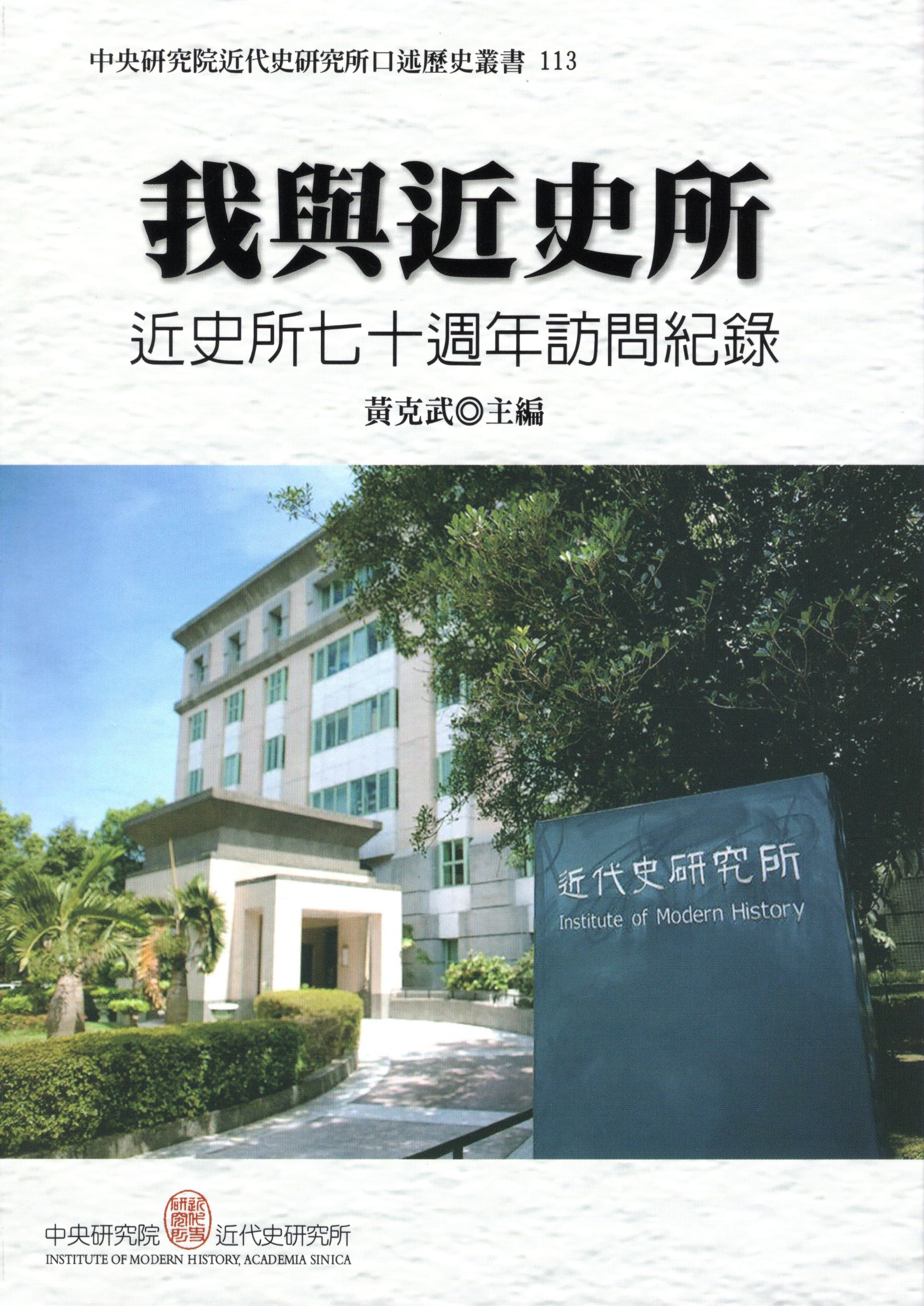
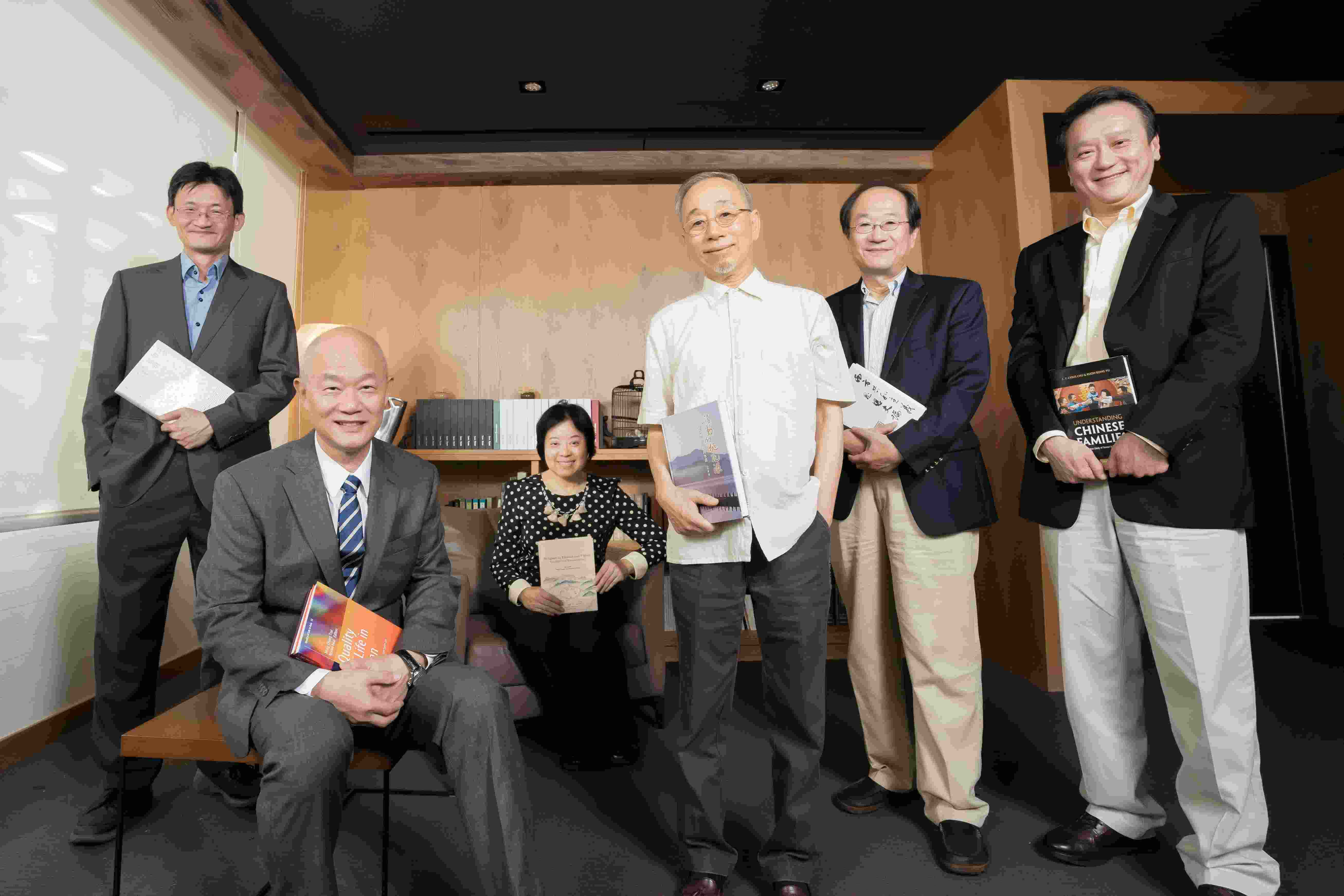
本院近代史研究所特聘研究員黃克武主編之口述歷史叢書(113)《我與近史所—近史所七十週年訪問紀錄》一書,已於2026年9月出版。
本期共收錄3篇文章,作者及論文名稱如下
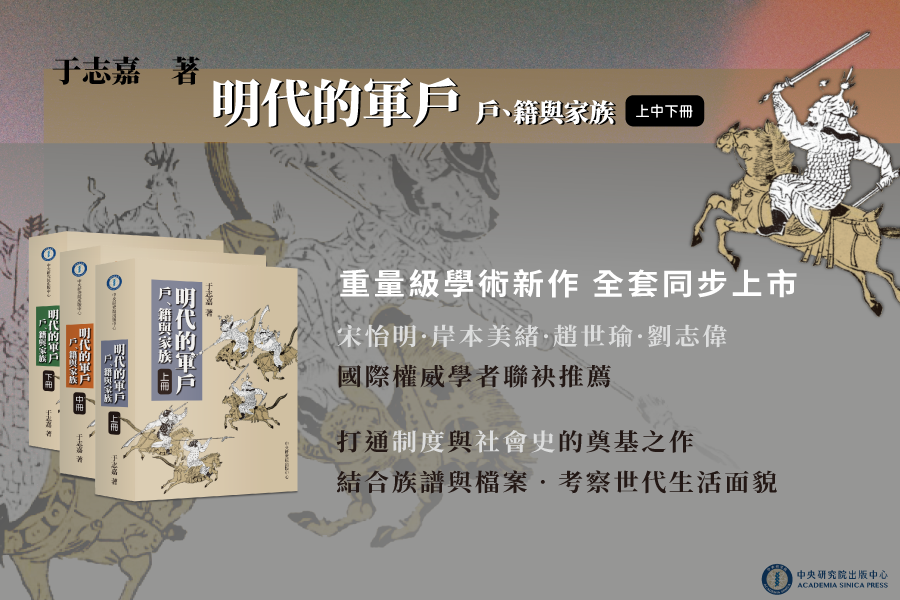
本院出版中心於2026年9月出版《明代的軍戶:戶、籍與家族》,彙集本院歷史語言研究所退休研究員于志嘉教授四十餘年來研究明代軍戶與衛所制度的重要成果。
多核苷酸磷酸化酶(PNPase)是一種外切核糖核酸酶,其蛋白質序列在跨越不同物種(包括人類在內)時保持高度保守,對細胞內RNA的降解與代謝至關重要。在細菌中,PNPase與RNase E會和參與糖解作用的酵素形成多蛋白複合物。本院分子生物研究所林淑端兼任研究員的研究團隊發現,PNPase也能作為糖解代謝物感測器,將大腸桿菌(Escherichia coli)的糖解作用與RNA降解連結起來。
超新星一直是科學家探索宇宙新物理的重要場域。本院物理研究所林彥勳博士與吳孟儒副研究員攜手韓國研究團隊提出一項新的探索方法,利用超新星前身星(supernova progenitor)在爆炸前所拋出的星周物質(circumstellar medium),作為探測極弱交互作用粒子的新場所。這項研究為探索宇宙新物理與未知粒子等開闢新的觀測途徑,有助於深化人類對宇宙基本組成與自然法則的理解。
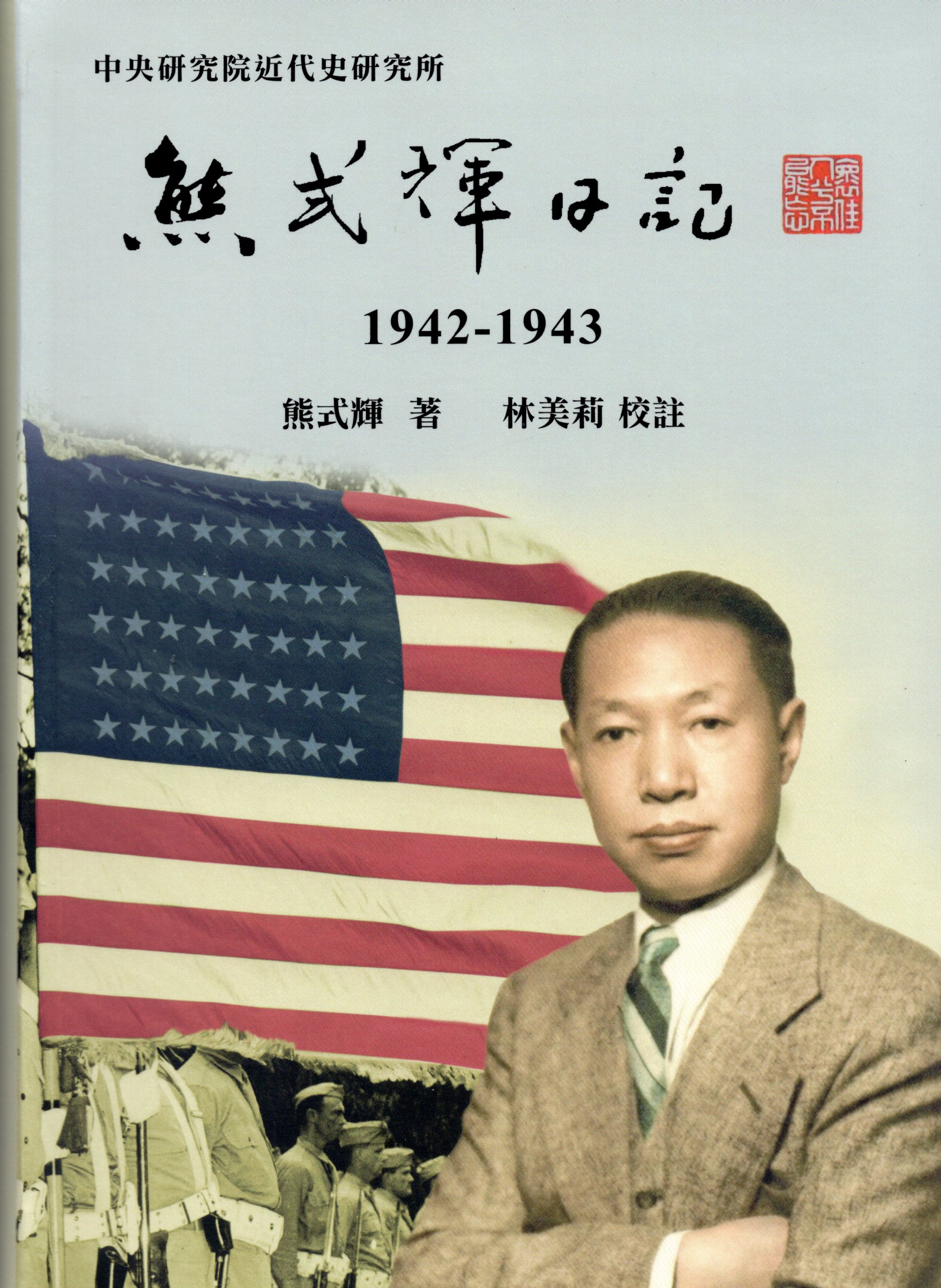
近代史研究所林美莉副研究員校註之《熊式輝日記,1942-1943》一書,已於2026年9月出版。
本院經濟研究所期刊《經濟論文》第54卷第3期業已出版
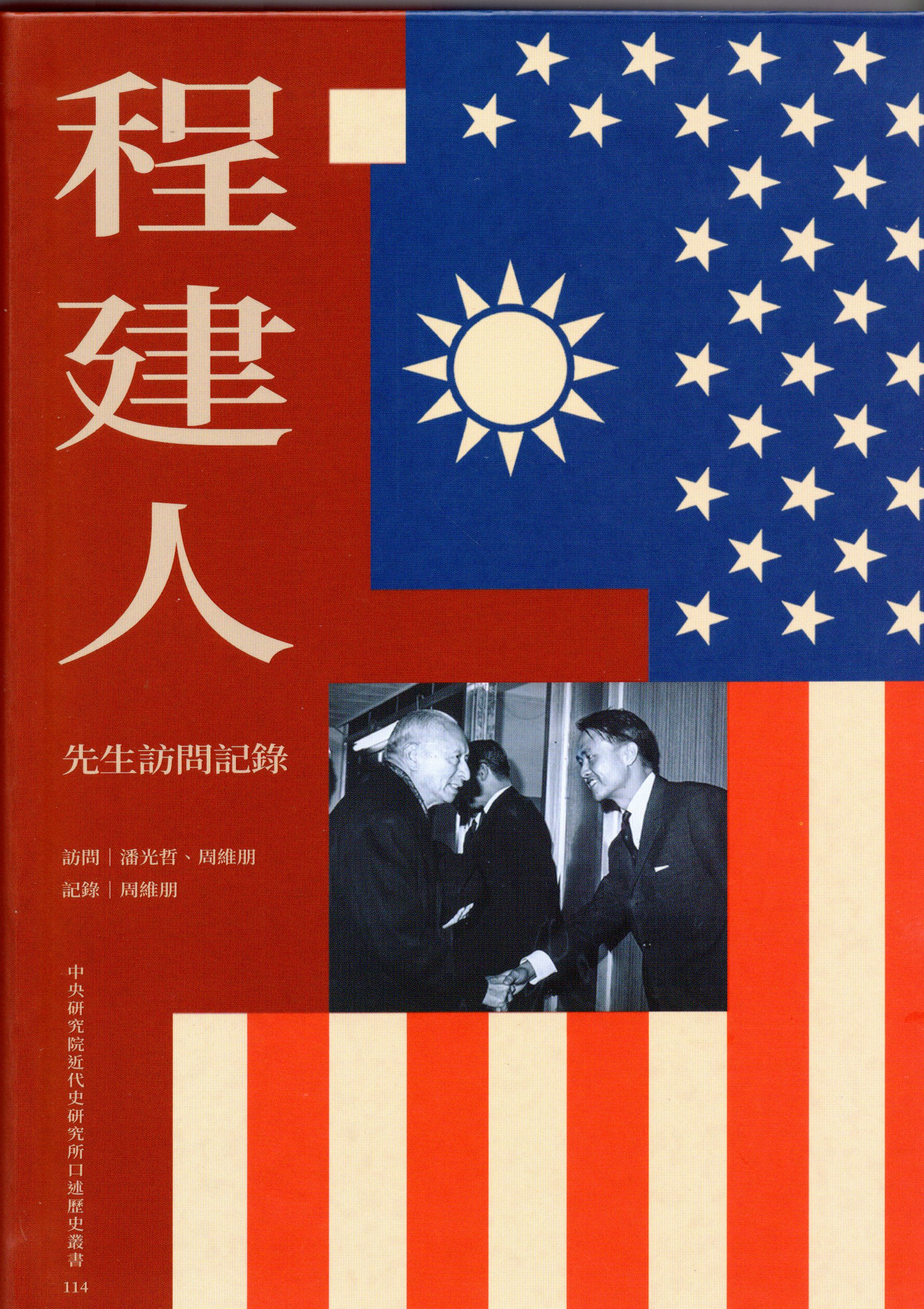
近代史研究所之口述歷史叢書(114)《程建人先生訪問紀錄》一書,已於2026年9月出版。
隨著智慧穿戴與個人健康管理需求增加,如何讓壓力感測器兼具靈敏、穩定及容易製作等特性,是穿戴式科技發展的重要課題。本院化學研究所涂熊林副研究員團隊開發出整合式Janus水凝膠壓力感測器,可偵測人體細微的生理訊號及日常動作等刺激,提供更便利、即時的身體狀態資訊。此款感測器由上下兩層導電凝膠及中間的介電層組成,形成全水凝膠式感測架構。此感測器不同功能層可直接緊密結合,不需要額外使用黏著劑,不僅製程簡化,也具備良好的柔韌性與穩定性,展現其應用於穿戴式裝置與健康監測的潛力。
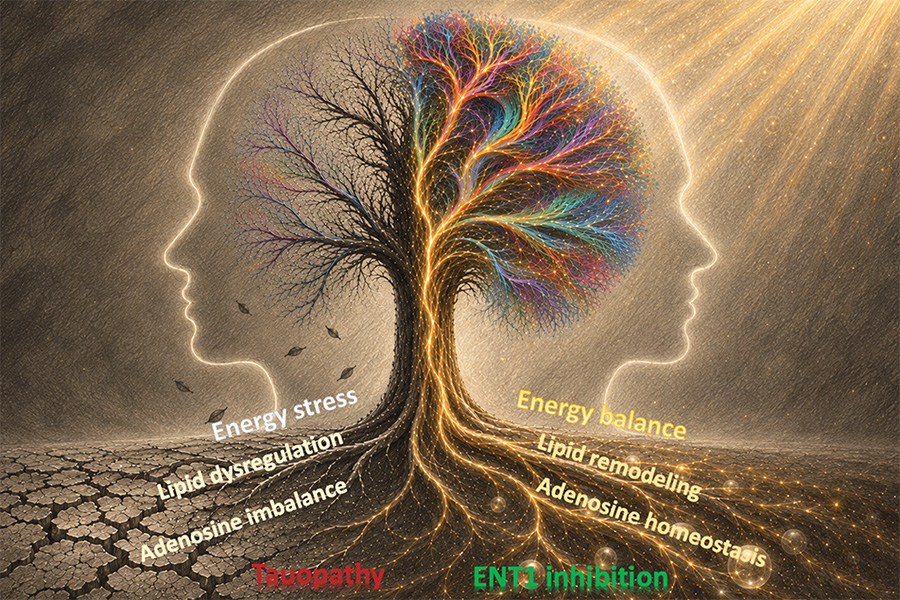
阿茲海默症與其他Tau蛋白異常累積的相關疾病研究過去多聚焦於神經元,但大腦要正常傳遞訊息,也需要寡突膠細胞(Oligodendrocyte)形成包覆神經纖維的保護層(髓鞘),維持腦區之間的連結。本院生物醫學科學研究所陳儀莊特聘研究員與國立陽明交通大學陳右穎教授團隊,整合腦組織、磁振造影與多體學分析,發現Tau病變伴隨髓鞘異常及腦區連結受損。研究進一步發現,透過小分子J4抑制腺苷運輸蛋白ENT1,可改善髓鞘與腦連結,並調節與髓鞘形成相關的脂質代謝。這項研究顯示,Tau相關疾病不只是神經元的問題,寡突膠細胞與髓鞘也扮演重要角色,ENT1可望成為改善阿茲海默症及其他Tau相關疾病腦網路功能的重要藥物標的。
「中研院訊」為本院重要資訊及研究成果發布平台,每雙週出刊,協助院內同仁掌握本院最新消息,也讓院外讀者更加了解本院及相關學術研究成果。
「研之有物」為本院創立之科普平臺,以深入淺出的方式報導數理、生命及人文社會領域研究成果,分享研究人員不為人知的甘苦談。歡迎進入官網吸收新知、訂閱電子報,一起探索各領域知識!


.jfif)