Institute of Botany

The forerunner of the Institute of Botany, one of the old institutes of Academia Sinica, was the Natural History Museum of the Academy founded in Nanking in 1929. In the early period, it consisted of two sections, Zoology and Botany. In 1934, the Natural History Museum under the direction of Mr. Chia-Chi Wang was renamed the Institute of Botany and Zoology. The Botany section consisted of the Laboratory of Higher Plants and the Laboratory of Mycology and Plant Pathology, headed by Dr. Shu-Chun Teng. During the period of the Sino-Japanese War in 1937, the Institute of Botany and Zoology moved, first from Nanking to Hengyang, then to Yangshuo, and finally to Chungking. At the Second Council Meeting of Academia Sinica held in Chungking in March 1944, a resolution was adopted that the Institute of Botany and Zoology should be divided into two institutes. The Institute of Botany was formally founded on May 1 of the same year and was directed by Dr. Tsung-Lo Luo.

In 1954, as the Central Government was moving to Taiwan, Dr. Shih Hu, the then President of Academia Sinica, asked Dr. Shien-Wen Li, a member of Academia Sinica and research fellow of the Institute of Botany, to prepare for the re-establishment of the Institute in Taiwan.

Under the auspices of the National Council for Long-Term Science Development (later it was reorganized as the National Science Council), a building for biology was opened for use in 1961. All our research staff, who workedat other institutes, at last settled in Nankang. In 1962, the Institute of Botany was formally reinaugurated in Taipei under the direction of Dr. Shien-Wen Li.

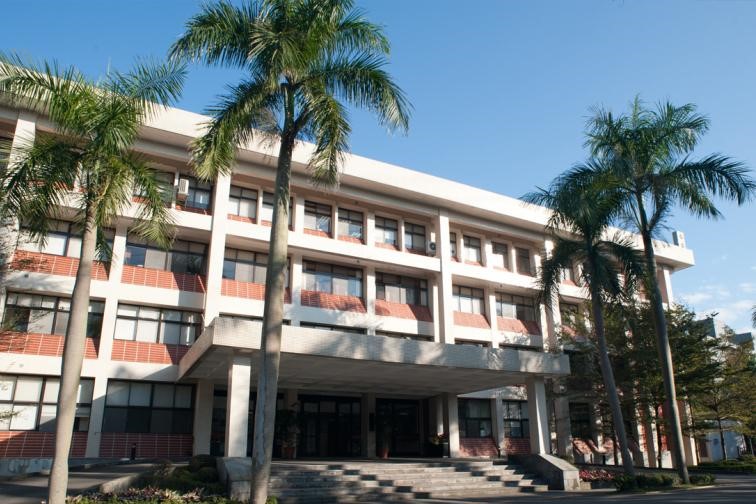
After Dr. Li's retirement in 1972, Dr. Tsung-Teh Kuo held the directorship until 1977. Owing to the rapid growth in both research staff and fields of specialization, we needed to enlarge the research space and to increase our facilities. Funded by the National Science Council, the Botany Building (also known as Dr. Shien-Wen Li Memorial Hall) was established in 1975. Dr. Hong-Pang Wu succeeded Dr. Tsong-Teh Kuo as director from November 1977 to October 1983. As our research topics grew, especially in genetic engineering and molecular biology, an additional research building was erected in 1982 and opened for use in 1985.

On December 1, 1983 Dr. Ching-San Chen took over the directorship and held it for six years. Dr. Chen made a great effort to change the format of the Botanical Bulletin of Academia Sinica, which soon became an international plant science journal. Under the second five-year plan of Academia Sinica, research facilities were much improved. On December 1, 1989, Dr. Chang-Hung Chou took over the directorship. Dr. Chou has endeavored to upgrade the quality of research by increasing research funding and reinforcing facilities, including a modern greenhouse with headhouse (a total of 4,828m2 ), which was opened for use in 1992. On March 1, 1996, Dr. Shang-Fa Yang succeeded the directorship. From August 1, 1996, Dr. Yang took over the position of vice-president, since then Dr. Jei-Fu, Shaw, then deputy director of the institute, succeeded him as acting director.

RESEARCH

The research work at the Institute of Botany is mostly basic in nature; however, applied research is also conducted. Research is quite diversified, ranging from investigations of gene diversity based on biochemical and molecular approaches, to studies of ecosystem diversity. Eight major fields that are currently being investigated are: (1) molecular and cell biology, (2) genetics and quantitative genetics, (3) plant biochemistry, (4) microbiology and plant pathology, (5) plant physiology, (6) plant systematics and evolution, (7) plant ecology and environmental sciences, and (8) biotechnology. There are 36 principal investigators, who are conducting more than 80 research projects supported by Academia Sinica, National Science Council, Council of Agriculture, Taipei Municipal Government, Taiwan Provincial Government and the China Foundation.

Examples of important long-term collaborative research projects are: (1) Studies on the Molecular Biology of Differentiation and Development in Plants, (2) Circadian Rhythm of Procaryotic Synechococcus RF-1, and (3) Plant Biodiversity and Terrestrial Ecosystem. These have been in progress since July 1, 1989.

DIRECTION OF FUTURE DEVELOPMENT

In the future, the Institute will continue to strengthen both basic and applied research in the plant sciences. This includes the eight major research areas described above and also three additional cooperative research programs:(1) Plant molecular, biochemistry and physiological research, (2) Plant diversity and ecosystem research, and (3) Plant biotechnology research. Following the sugges-tions made by the Advisory Committee of the Institute, we will establish a transgenic plant laboratory to strengthen our research and contribution in the areas of plant molecular biology and plant biotechnology. To promote inter-national scientific interaction, we will invite outstanding scientists to visit and undertake joint research programs; encourage our colleagues to participate in international academic activities; hold both domestic and international symposia; and further upgrade the Botanical Bulletin of Academia Sinica to increase its recognition abroad.

PERSONNEL AND FACILITIES

PERSONNEL

Currently, the Institute has 1 distinguished research fellow, 26 research fellows, 6 associate research fellows, 3 assistant research fellows, 3 research assistants, 1 assis-tant, 11 postdoctoral fellows, 2 technicians and 7 admi-nistrative personnel.

LIBRARY

The Institute's library, located on the fifth floor of the main building, was established in 1953. It has a collection of over 6,500 volumes in English, and 1,500 volumes in other languages. Currently, there are over 120 non-English language journal titles by exchange programs all over the world. In addition to circulation, reference and inter-library loans, the library also provides a Current Content database and on-line search services. Since 1993, the library provides on-line public access catalog service. Users also can access TAnet and Internet to search world-wide-web through Institute network.

HERBARIUM

A herbarium is indispensable to any botanical institution: it contains important research material and botanical information and is the repository of voucher specimens. Presently the herbarium of the Institute of Botany, Academia Sinica (HAST), possesses over 60,000 speci-mens, with an annual increase of approximately 7,000 specimens. The major collections of HAST are vascular plants of Taiwan and East Asia. HAST exchanges specimens with 30 major botanical institutions, including those in Taiwan, Japan, Malaysia, Singapore, Philippines, Europe, and the United States.

HAST is currenty involved in conducting a botanical inventory of Taiwan. The project is sponsored jointly by the Council of Agriculture, Executive Yuan, and Academia Sinica. The program concentrates on areas of Taiwan that are species-rich, unusual, poorly documented, phytogeographically important, or in imminent danger of destruction. The project uses TROPICOS, a relational database developed at the Missouri Botanical Garden, for the organization and presentation of taxonmic information, the associated morphological characteristics, geography, and all other characteristics of interest. The database will be linked with a geographic information system to provide the distribution, abundance, and characteristics of the botanical resources of Taiwan.

COMPUTING SERVICE

In June 1992, the Institute established an internal ethernet network, which is linked to Academia Sinica's FDDI network. Users can access the vast amount of information on the academic network and can transmit data to and from computing facilities around the world. Computing Service was also established at the same time to provide professional assistance and access to resources.

GREENHOUSE

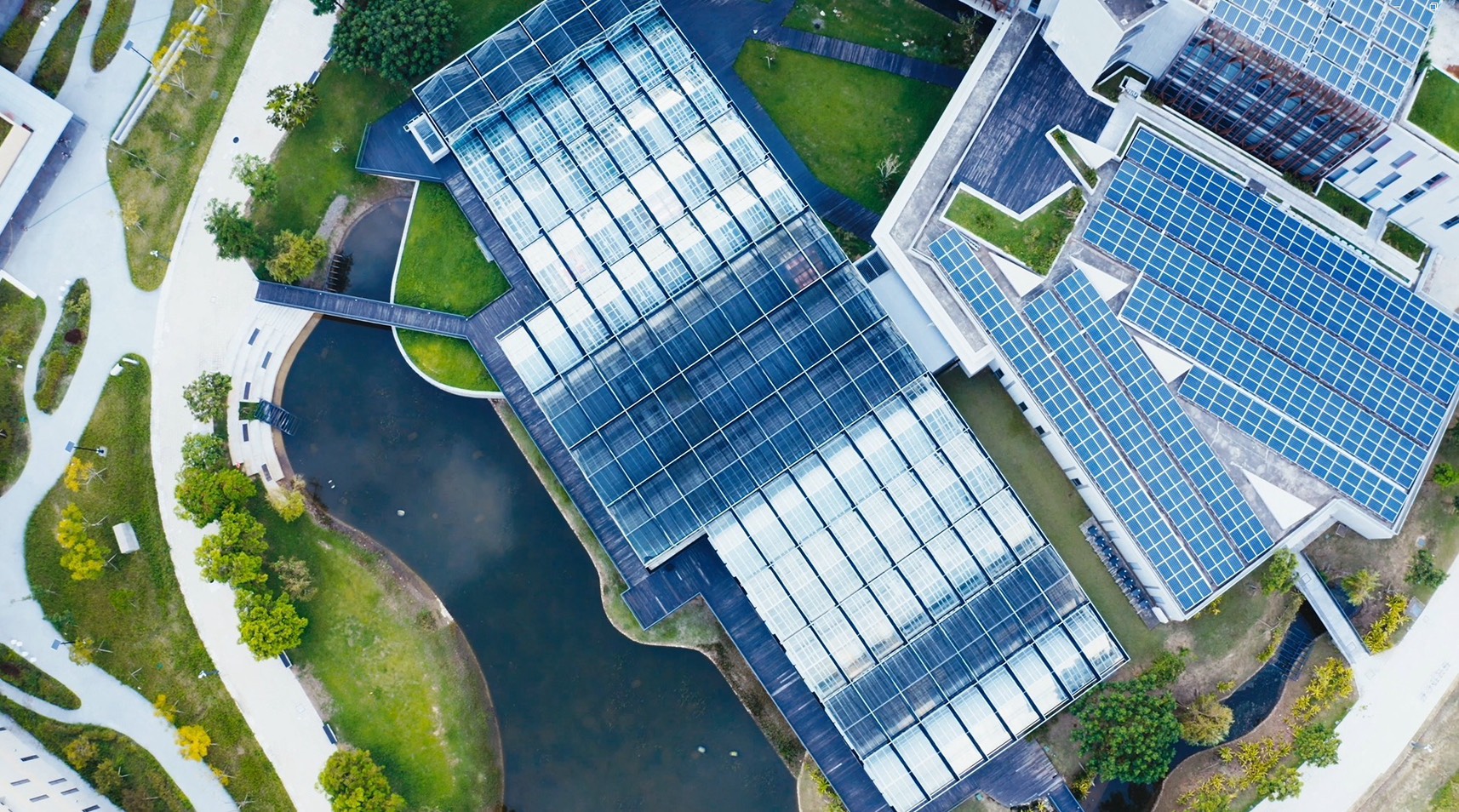
In the fiscal year 1989-90, a computer-controlled greenhouse was constructed and commissioned. This new greenhouse facility is composed of a three-story headhouse and seven units of glass rooms, occupying a total area of 4,828 square meters.

EXPERIMENTAL FARM

The experimental farm of the Institute of Botany is located on the campus of Academia Sinica. It consists of a management house, a harvest-windy barn, and an animal room. The field occupies a total area of approximately one hectare and is used to raise paddy-rice plants and upland plants for researches.

MAJOR INSTRUMENTS

The Institute possesses many modern instruments to support the diverse researches. The major instruments include: ultracentrifuge, tabletop ultracentrifuge, CEPA high speed centrifuge, microspectrophotometer, trans-mission electron microscope, digital scanning electron microscope, inverted laser scan microscope, portable spectroradiometer, microinjector, protein sequencer and on-line PTH analyzer, automated DNA sequencer, DNA synthesizer, N-15 analyzer, spectropolarimeter and data processor, UV-VIS spectrophotometer, fluorescence spec-trophotomer, sample processor and solvent delivery system, liquid scintillation system, freezer etching equip-ment, high performance liquid chromatograph, gamma counter, computing densitometer, plant growth chamber, fast protein liquid chromatography, phosphorimager, nitrogen carbon and sulfur analyzer, TOC analyzer, isotope ratio mass spectrophotometer, capillary eletrophoresis unit, measuring system for bio & chemiluminescence, fluorescence ELESA reader, etc.

MAJOR RESULTS OF RESEARCH

MOLECULAR AND CELL BIOLOGY

High proliferative mutant of Saccharomyces cerevisiae KC:comparing with wild-type strain TL154 and its parental strain 20B12 which has already commercial used for the production of foreign proteins.

Molecular mechanism of plant disease resistance: The central theme of the research is to reveal the molecular mechanism of disease resistance through the understanding of the mechanisms of plant-pathogen interactions. (1) We have established bioassay procedures to detect the potential peptides which interfer with the plant-pathogen interactions. (2) At least three signal molecules, p21, p27 and p33, have been identified in tomato, cotton and pepper leaves. These molecules may play a role coordinatively in determining the earliest steps of the signal transduction process triggered by the bacterial elicitor.

There were 32 11-mer repeats present in soybean seed maturation protein GmPM8. The EM-immunogold study indi-cated these proteins were localized in the starch grains of mature soybean seeds and of transgenic tobacco leaves. Also there were huge amount of starch grains present in the transgenic tobacco plants.

The GmPM9 gene expressed only in mature seeds and pollens, but not in ABA-treated or water stressed plants. These GmPM9 proteins were also present in starch grains, and became larger proteins after modification.

We collected three wild soybean species or about 30 accessions from Taiwan. The responses of cultivated or wild soybeans to water stress and salt stress were different. Their relations with seed maturation proteins were also under investigation.

We pulled out several early-embryogenesis specific genes by differential displays. We characterized the cDNA and genomic clones by sequencing, fusion proteins, locali-zation and transgenic plant studies.

A yeast artificial chromosome, pYACCMC5, has been created.

A Nicotiana plumbaginifolia genomic library has been constructed in pYACCMC5. This YAC library contains 2.2 x 10\A^;4\A^; individual clones. The average insert size in this library is around 200 Kb. Both ends of most YAC inserts in this library can be isolated by plasmid rescue.

During the construction of the YAC library, 2-butanol was found to be useful for concentrating large-size DNA molecules.

GENETICS AND QUANTITATIVE GENETICS

We have detected the chromosomal localization of two genomic clones, which represent two repetitive DNA fa-milies (BamH I, Hind¢» repetitive DNA) in rice genome (cloned by Prof. R. Wu, Cornell University, USA) by in situ hybridization. This is a piece of worthwhile information in rice molecular cytogenetics.

The sequence length and structure of glutelin 5' regions varied among rice species. Our studies showed that beyond the essential boxes, the 5' regions of rice glutelin genes have numerous putative enhancers and putative regulatory segments though portions of such a few elements have been deleted in some wild species. We suggest that glutelin genes in subfamily Glua can be classified into three kinds of member genes, and the distributions of these genes among the genomic DNAs of rice species are polymorphic.

There are more than 80% of glutelin and about 5% of prolamin in mature rice seeds. Our immunochemical information reveals that glutelins are located at angular protein bodies, by using monoclonal anti-glutelin-£]-subunit antisera and anti-total-glutelin antisera. Besides, pro-lamins are stored in angular protein bodies, too. To survey carefully, we found glutelins disperse in the whole protein body, whereas prolamins exist only in the margin of protein bodies. These fascinating results may explain why, as previously reported, prolamins are decomposed earlier than glutelins during germination.

Aroma and taste of tea are two combined evaluated characters of Paochung tea, and discussed item by item by Dr. H. P. Wu. The correspondence analysis was used to evaluate 9 items, and obtained that bitterness, stinking fermentation and broth are three main effects of tea aroma and taste. Two panel groups have a similar point of view on appearance and taste, but differ on water color of these tea cultivations. Since color changes easily, we need to reconsider the water color of tea.

Most tea consumers favor Oolung tea. About 60% of consumers drink tea 3.2 times during a week and 45.78% of those under twenty drink black tea. The consumers aged below 30 are in favor of black and green teas. The average history for consumers drinking tea is 5.74 years. Lots of consumers' primary concerns about tea are its aroma and taste; its price only a secondary concern. The shape, evaluated rank and residual pesticides are not so important for tea consumers. This is not the same as what the government suggested. We need to improve the evaluation methods.

Our previous study indicated that there is a difference between random amplified polymorphic DNA (RAPD) patterns of soybean leaf and root DNAs. Recently, we further confirmed that this difference might be due to the genomic modification during leaf and root development. Factors such as polymerase chain reaction (PCR) con-ditions, reaction components and polymerases etc., have some effects on exploring this difference.

On the investigation of callus browning in rice tissue culture, we found that polyphenol oxidase and peroxidase have a very close relationship in their zymograms. Subculture interval and medial components also play some role in browning.

We have also established the broccoli transformation system that may further be used as a tool for the study on the mechanism of anti-senescence in plants.

PLANT BIOCHEMISTRY

Ethylene is a plant hormone which has been proven to play important roles in plant growth, development, and stress responses. The biosynthesis of ethylene is regulated by two key enzymes, 1-aminocyclopropane-1-carboxylic acid (ACC) synthase and ACC oxidase. We recently focus on the functional study of ACC synthase and ACC oxidase and the characterization of the genes encoding these two enzymes in tomatoes, apples, and broccoli. The results show (1) that CO affects ACC oxidase activity not only by serving directly as an ACC oxidase activator, but also by modifying the tissue pH which influences the enzyme activity, and (2) that the expression of tomato ACC synthase gene, LE-ACS3, is rapidly induced in the roots by flooding. Sequence homology analysis identified three putative cis-acting elements in the promoter region, corresponding to the anaerobic response element from the maize adh1 promoter, the root-specific expression element from the cauliflower mosaic virus 35S promoter, and a recognition element for chloroplast DNA binding factor I from the maize chloroplast ATP synthase promoter.

Rice prolamin RP3 promoter was transferred to tobacco. Four lines (2, 5, 7, and 18) of transformed tobacco showing GUS activity were isolated. GUS activity was detected in seeds, but no activity was found in other tissues, indicating tissue specificity nature of RP3 gene expression.

Callus was derived from transformed tobacco lines 2 and 5. The GUS activity was higher in the callus of line 2 than in the transformed tobacco seeds. Effect of temperature on the expression of RP3 gene in line 2 callus was studied. The results indicated that expression of RP3 gene at 40oC was twice as much as that of at 28oC. The highest expression was observed at 37oC. Gene expression at 37oC was 4-6 folds higher than at 28oC. Weak expression was observed at 42oC.

The results of immunodouble diffusion showed that isozyme IV of mung bean b-galactosidase was structurally different from the other four isozymes.

On the topic of ammonium assimilation, feedback inhibition of the activity of glutamine synthetase from the cyanobacterium Synechococcus RF-1 by end products of glutamine metabolism has been examined. The chemical-physical and kinetic properties of the glutamate synthase from the RF-1 and the shoot of Moso Bamboo has also been studied. Furthermore, nitrogen metabolism in the shoot of Moso Bamboo has been studied by using 15N as the tracer.

The mechanism that regulates the expression of plastid genes for the two photosystems during chloroplast biogenesis in higher plants has been investigated. Several new chloroplast protein factors have been discovered and isolated, which interact specifically with the promoter regions and/or the 5' untranslated regions of the plastid operons to exert the regulatory functions. The complicated regulation of photosystem II gene cluster by light involves utilization of multiple promoters. Blue light elicits transcription driven by a unique light-responsive promoter. The accumulation of light-inducted transcripts manifests interesting rhythms. Furthermore, an electro-poration-mediated method has been developed to study the foreign gene expression within the isolated chloroplasts directly, which will facilitate future studies of regulatory mechanisms of plastid gene expression.

Discovery of a novel enzyme in sweet potato roots. Transferring trypsin inhibitor (TI) gene of sweet potatos to local vegetables has obtained preliminary positive results.

MICROBIOLOGY AND PLANT PATHOLOGY

A molecular cloning approach has been conducted to express anti-aflatoxin B1 (anti-AFB1) monoclonal antibody (MAb) in Encherichia coli. Complementary DNA (cDNA) was synthesized from ploy (A)+ RNA isolated from hybridoma 1F7 that secretes specific anti-AFB1 MAb. Using specific primer pairs complementary to heavy chain and light chain genes of mouse antibody (IgG), subsets of cDNA responsible for coding the heavy and light chains of immunoglobulin were selectively amplified by polymerase chain reaction (PCR). A recombination of modified bacteriophage l expression vectors and the PCR amplified DNA was applied in the generation of a combinatorial library in E. coli. Two IgG Fab clones (1F7001 and IF7802) specific for AFB1 were selected. Using an indirect competitive ELISA, Fab from clone IF7802 showed the binding specificity for AFB1 with no cross-reactivity to AFM1, the same as that of the Mab from hybridoma IF7. In the affinity test with indirect ELISA using AFB1-BSA as coating antigen, the minimal detectable concentration of AFB1-BSA for the Fab from both clones was as low as 0.01 ppm, the same as that of the MAb from hybridoma IF7.

Some physiological or biochemical activities in organism are regulated by the biological clock. There are several models which suggest that the membrane may play a critical role in the establishment of a biological rhythm. Our current experimental results indicated that a novel circadian oscillating protein is located in the membrane. The gene encoded for the oscillating protein has been cloned and sequenced.

PLANT PHYSIOLOGY

The adaptation mechanism of an aquatic plant, Scirpus mucronatus L., to submergence has been studied in the Yuen-Yang Lake. The elongation of the shoot to emerge from water is enhanced by the synthesis of endogenous putrescine, while the level of internal abscisic acid was inhibited in the shoot.

We are using DNA sequence and Random Amplified Polymorphic DNA (RAPD) to study the phylogenetic relationship in Brassicaceae. Some results are described as follows: (1) RAPD markers did show genetic inheritance and can be used for cultivar identification. (2) RAPD can be used to investigate biodiversity and phylogenetic relationship among different subspecies of Brassica campestris. (3) Using DNA sequence of 5S rRNA and agamous, we can also study biodiversity and phylogenetic relationship among different species of Brassicaceae.

PLANT SYSTEMATICS AND EVOLUTION

Nitrogen-fixing pattern of Synechococcus sp. RF-1 established at LL and different diurnal LD regimens. Cultures adapted to LL condition were transferred to 22:2m 20:4,16:8 and 12:12 LD regimens, respectively. The nitrogenase activity of the culture maintained under LL and those newly transferred to different LD conditions were assayed at two-hour intervalsfor a period of 5 days.

The Gnetales from a monophyletic group, which is a sister group to the conifers rather than the angiosperms.

Amentotaxceae is closer to Torreya than Cephalotaxus, suggesting that the former is better classified as a member of Taxaceae.

Phyllocladus is an outgroup to the Podocarpaceae; therefore, the distinct familial rank of the genus is maintained. In conifers the uniovulate cone occurred independently in Taxaceae, Cephalotaxaceae, and Podocarpaceae after the three families separated from Pinaceae.

A new record: Osteomele scherinae (Rosaceae) for the Flora of Taiwan is reported.

We clarified the identification of the Kadsura taxon found in the Lanyu and Green Islands by treating it as K. philippines, not K. japonica as hitherto known to the taxonomist.

A new category of pseudopollen was discovered in the Camellioideae. It is not only the sole autapomorphy of this subfamily found so far, but also an interesting structure new to the reproductive biology of angiosperms.

Studies on the embryology of five theaceous genera and on the floral organogenesis of three theaceous genera were finished.

A long-term aeropalynological investigation in Taichung has been completed. The results indicate that Broussonetia (amounting to 67% in the study) is predominant in airborne pollen spectrum in central Taiwan. Because of its demonstrated allergic reaction to human beings, further study on the pollen of Broussonetia is badly needed.

Two results of taxonomic studies of Taiwan's seed plant flora: First, the Anneslea lanceolata of Theaceae was validly re-established at the specific level from A. fragrans var. lanceolata. Second, a new specific epithet taitungensis was published to accommodate the Cycas populations long known from Taitung. The endemic status of these two species was also affirmed.

PLANT ECOLOGY AND ENVIRONMENTAL SCIENCES

There is a total lackiing of understory species under Acacia confusa.

The allelopathic potential of Acacia confusa, which is found on hillsides of mountainous areas in Taiwan, was demonstrated. A relatively bare ground of understory species in Acacia confusa is due to the inhibitory effect of water soluble phytotoxins in A. confusa plant parts. The practical use of the phytotoxins as natural herbicide will be further studied.

We have discovered that some algae tend to accumulate a considerable amount of proline intracellularly when in contact with deleterious concentrations of heavy metals. The accumulation of proline, giving rise to a reduction in the metal uptake and a lowering in the toxicity of metals, is related to a tolerance mechanism occurring at cell plasmalemma.

A long-term ecological research (LTER) at the Yuen-Yang Lake nature preserve has been conducted by a team of colleagues in the Institute. Five major objectives are: (1) the mechanism of formation of dominant vegetation, (2) primary productivity, (3) adaptive mechanism of aquatic plants, (4) physiological ecology of phytoplankton, and (5) the dynamic of nutrients, such as Mg, K, Na, Fe and NO3-, etc. An ecological model will soon be established. The information will be available for the use in forest management, natural conservation, environmental educa-tion and global change research.

The Yuen-Yang Lake Nature Preserve

From the study of diatom assemblages in Yuen-Yang Lake, we have revealed that the distribution of diatoms is closely related to the pH gradient in the lake. A lowering of one pH unit has resulted in a loss of 8.5 diatom species. Some diatom species are chosen as an indicator of acidification in the surrounding environment.

We compared physiological responses of one cultivated and three wild type soybeans to water availability. Among the four species, the cultivated soybean (Glycine max) showed the most sensitivity to drought and had the lowest water use efficiency. G tabcina from Peng-hu islands showed the least sensitivity to low water availability and had the highest water use efficiency under drought condition.

Seasonal changes of inorganic N content in mangrove soils showed ammonium ranging from 02. to 17.1 ug N g-1 soil, while nitrate was from 0 to 2.5 ug N g-1 soil. Both were related to the elevation. Pot experiments showed 15N labeled ammonium had disappeared rapidly in inorganic form. Those residues in soil were mostly in organic form. N uptake by Kandelia candel was 13.1 % after one month and 19.6 % after four months. Recoveries of applied N after four months were 40.3 % in planted treatment and 32.6% in unplanted treatment. Most of N loss would be attributed to denitrification, while the effect of plant on soil denitrification was not significant.

Completed the study on the anatomical structures of Kandelia candel and concluded that K. candel does not evolve special structure for growing in different salinities. Completed the study on the seasonal changes of primary production of aquatic emergent macrophytes in Yuen-Yang Lake.

BIOTECHNOLOGY

Postharvest biotechnology: Plant senescence is a decaying process regulated by specific genes and plant growth stages. It directly affects postharvest quality and storage life of crops. Previous studies indicate that leaf yellowing during senescence is controlled by ethylene and other plant hormones, such as cytokinin. The physiological, biochemical, and molecular mechanisms of yellowing in broccoli floret tissue will be studied. Furthermore, genetic engi-neering techniques will be employed to prolong crop storage life and reduce the loss after harvest.

Computer modeling of sweet potato Cu/Zn SOD 3-D structure.

Our research includes studying the relationships between senescence and ethylene biosynthetic rate, chlorophyllase activity, and cytokinin content in broccoli; isolating and characterizing chlorophyllase, ACC synthase, and ACC oxidase genes; expressing antisense ACC synthase, ACC oxidase, or isopentenyl transferase genes in transgenic broccoli to delay its yellowing process.

In our previous study of developing recombinant yeast to express HBsAg in the secretion pathway, some trans-formants that resisted to cytotoxic effect of HBsAg were enriched and defined as Ni transformants which grow in an abnormal model, such as, enlarged cell and colony size, not arrested on nitrogen-starved plate and transit into a mode of pseudohyphal growth. These abnormal charac-teristics of the Ni transformants encouraged us to apply them as an excellent host strain in yeast genetic engineering. Initially, the plasmids of the Ni transformants were cured that were defined as Ni-c strain. The cell volume, colony size and growth rate were measured and found to be similar to their original Ni transformants. These Ni-c strains were then applied as host strain for transformation, while the production of heterologous proteins (such as HBsAg, a-amylase) of Ni-c transformants was compared with transformants of other strains (20B12, TL 154). The transformations of Ni-c exhibit improve and enhance the ability to produce heterologous proteins. These results suggest that the Ni-c strains have the potential to be a host strain for improving the genetic engineering system of the yeast, Saccharomyces cere-visiae.

Symptom development in tobacco (Nicotiana benthamiana)after inoculation with BaMV-Omut alone (left),or addition of satellite RNA F4(middle), or L6(right). The plant co-inoculated with satellite RNA L6 from common bamboo (right) showed completely symptomless infection. Photograph was taken 24days afterinoculation.

Dr. Jei-Fu Shaw received an "outstanding paper" award from American Oil Chemists' Society in recognition of his lipase biotechnology work.

We have obtained two patents: (a) production of fatty acid esters by enzyme catalyzed alcoholysis, CP 39390, (b) production of high maltose syrup and high protein byproducts from agricultural products by enzymatic method, CP 60191.

We have cloned and characterized a cDNA encoding the cytosolic Cu/Zn superoxide dismutase from sweet potato tuberous root. This is the first report in the world that plant root tissue contained Cu/Zn SOD. Studies on the physiological role and applications are currently underway.

We have cloned and sequenced a novel arylesterase gene from Virbio mimicus isolated from Taiwan's fresh water ponds. It was useful for the synthesis of aromatic esters and related compounds. The enzyme specificity and sta-bility are currently engineered by site-directed muta-genesis.

We found that the agrowaste banana leaf contained a lot of polyphenol oxidase, which can be used for the efficient production of L-DOPA, a drug for treating Parkinson disease. The PPO was purified and characterized. Its usually high activity toward monophenols and high activity at low temperatures were quite different from those of other plants PPO reported in the literature.

A satellite RNA associated with bamboo mosaic potex-virus (BaMV) was isolated from common bamboo (Bambusa vulgaris McClure). It not only interferes with the genomic RNA replication but also reduces the symptom caused by BaMV on the tested plants. Satellite RNA of BaMV has been also successfully developed as a plant expression vector. To our knowledge, this is the first example of the use of satellite RNA as an expression vector.


RESEARCH STAFF


NameResearch Speciality
Research Fellow and Acting Director
Shaw, Jei-FuBiochemistry
Distinguished Research Fellow
Yang, Shang-FaBiochemistry
Research Fellows
Chang, Ho-ShiiPlant Pathology
Chang, Wei-ChinPlant Physiology
Chaw, Shu-MiawPlant Systematics, Molecular Phylogenetics
Chen, Ching-SanBiochemistry
Chen, Long-Fang OliverPlant Genetics
Chen, Shu-Chen GraceBiochemistry
Chen, Tsung-HsienPlant Physiology
Chou, Chang-HungPlant and Phytochemical Ecology
Chow, Teh-YuanMolecular Biology
Dai, HwaMolecular Biology
Feng, Teng-YungMolecular Biology
Hsing, Yue-Ie CarolinePlant physiology, Molecular biology
Huang, Li-ChunPlant Physiology
Huang, Tan-ChiMicrobiology
Kuo, Tsong-TehPlant Pathology, Molecular Biology
Lin, Na-ShengPlant Virology
Lin, Yaw-HueiBiochemistry
Peng, Ching-IPlant Biosystematics
Shieh, Yuh-JangPlant Physiology
Tseng, Tsung-ChePhysiological Plant Pathology
Tu, JennMolecular Biology
Wu, Hong-PangBiometry, Quantitative Genetics
Wu, Hsin-KanGenetics
Wu, Jiunn-TzongPhycology, Plant Physiology
Wu, Rong-YangMicrobiology
Yuan, Hso-FrengBiochemistry
Associate Research Fellows
Chen, Chung-MongGenetics, Molecular Biology
Chen, Mei-HwaPlant Physiology
Chiu, Chi-YuPlant Ecology, Soil Sciences
Chung, Mei-ChuCytogenetics
Yang, Chi-MingPlant Biochemistry
Yang, Yau-WenPlant Physiology
Assistant Research Fellows
Hwang, Yuan-HsunPlant Ecology
Kao, Wen-YuanPlant Physiologocal Ecology
Tsou, Chih-HuaPlant Embryology, Floral Morphology
Resarch Assistant
Wen, Tuan-NanBiochemistry
Huang, Bau-LianPlant Tissue Culture
Cheng, Ming-ChihBiochemistry
Postdoctoral Fellows
Charng, Yuh-ChyangMolecular biology
Chen, Dz-ChiMolecular biology
Jane, Wann-NengPlant anatomy and EM tech.
Lin, Hao-JanPlant pathology
To, Kin-YinMolecular biology
Sun, Chih-WenMolecular biology
Charng, Yee-YungBiochemistry
Chao, ShiaomanPlant molecular genetics
Chiang, Tzen-YuhMolecular systematics
Chen, Hsien-JungPlant pathology

MEMBER OF THE ADVISORY COMMITTEE

(April 1, 1994 - March 31, 1997)
Lin, C.Y.Plant Physiology, Plant Biochemistry
National Taiwan Univ., ROC
Wu, RayMelecular Biology
Cornell Univ., USA
Chua, N.H.Plant Molecular Biology
The Rockefeller Univ., USA
Huang, P.C.Biochemistry, Environmental sciences
National Tsing Hwa University, ROC
Cheng, H.H.Soil biochemistry, Environmental sciences
University of Minnesota, USA
Tsai, C.Y.Genetics, Plant physiology
National Taiwan University, ROC
Ho, T.H. DavidPlant physiology, Biochemistry
Washington University, St. Louis, USA
Tai, WilliamPlant systematics
Missouri Botanical Garden, USA
Huang, AnthonyPlant biochemistry
University of California, Riverside, USA
Yang, S.F.Plant Physiology
Univ. of California, Davis., USA